


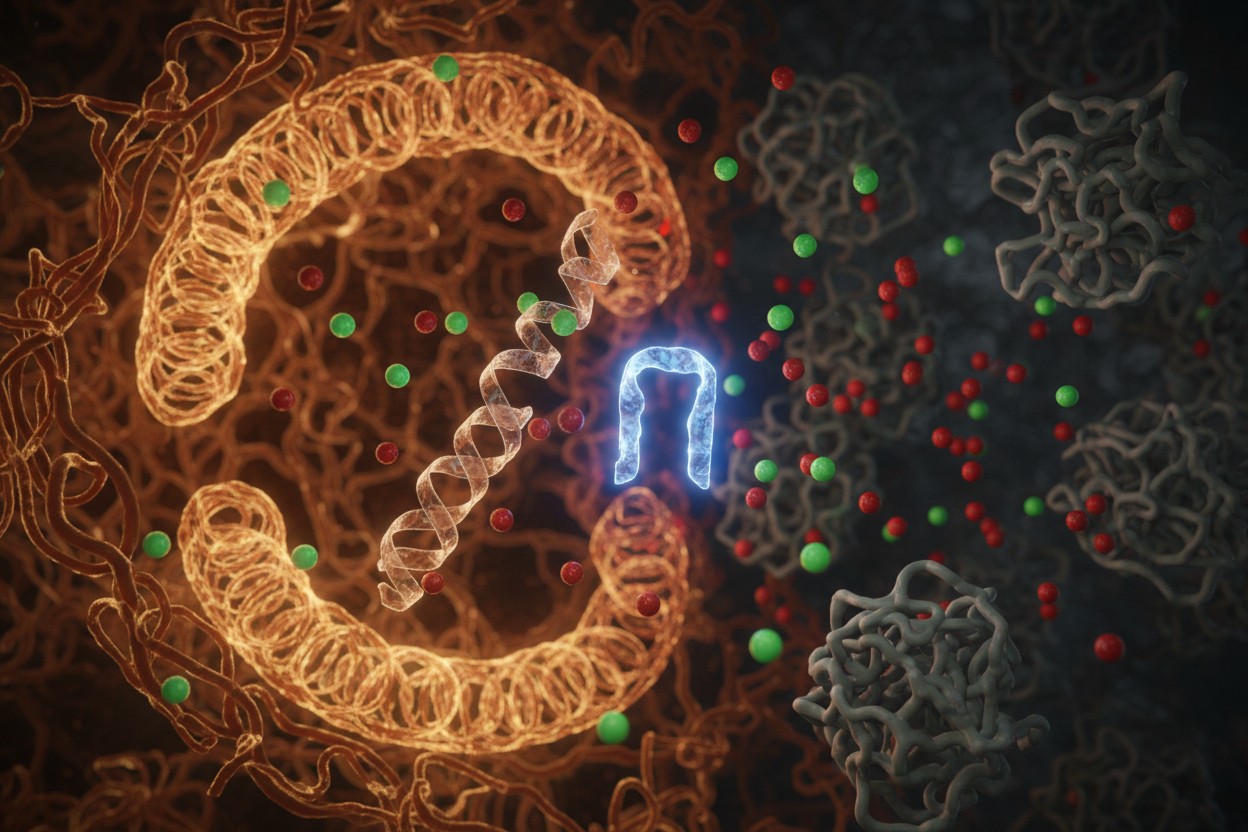
Study Details Glutathione’s Role in Protein Folding Processes Linked to Cellular Aging
A study published in Nature Cell Biology has detailed the mechanism by which glutathione, an antioxidant produced inside cells, supports protein folding within the endoplasmic reticulum (ER). Researchers identified the transporter protein SLC33A1 as a key regulator of glutathione movement into and out of the ER. Disruptions in this system have been linked to neurodevelopmental disorders and cancer, according to the report. [1] [2]
Background on Glutathione and the Endoplasmic Reticulum
Glutathione is synthesized from three amino acids and is present in nearly all tissues, helping manage oxidative stress and support detoxification, according to researchers. [1] The endoplasmic reticulum functions as a protein factory where newly made proteins are folded into functional shapes. This folding process requires a specific chemical environment. Glutathione exists in oxidized and reduced forms, and the ER maintains a precise balance between them to facilitate proper protein bond formation, the study states. [2]
The age-related decline in glutathione levels has been documented, with studies showing reduced glutathione peroxidase activity and total antioxidant capacity in aging tissues. [3] This decline may contribute to the accumulation of misfolded proteins and cellular stress observed in aging cells.
Research Findings on Glutathione Balance and Transporter Mechanism
In the study, researchers measured the chemical environment inside the ER and found that SLC33A1 is a key player in maintaining glutathione balance by moving it in and out of the organelle. When the balance between oxidized and reduced glutathione shifts too far, it can interfere with enzymes that correct protein folding, leading to an accumulation of misfolded proteins and cellular stress. [2] Alterations in SLC33A1 have been observed in neurodevelopmental disorders, while some cancer cells appear to exploit altered glutathione balance to support growth, according to the report. [2] [4]
The link between ER stress and neurodegenerative conditions has been established. Studies have shown that the unfolded protein response is activated in Parkinson’s disease, with aggregation of alpha-synuclein associated with ER stress. [5] Additionally, heavy metal exposure can disrupt glutathione balance and induce ER stress, contributing to cellular damage. [6]
Implications for Age-Related Disease and Antioxidant Strategies
The findings suggest that glutathione’s role extends beyond simply neutralizing damage; it is directly involved in daily cellular maintenance, particularly in protein quality control, researchers said. [2] Changes in glutathione balance are associated with conditions such as neurodegenerative diseases and certain cancers, indicating that disruptions in this system may contribute to aging-related decline. [7] The study underscores that maintaining the right glutathione balance in the right location is critical, rather than merely increasing overall levels, according to the authors. [2]
This understanding reframes the conventional approach to antioxidant supplementation. Rather than focusing solely on raising total glutathione levels, supporting the body’s ability to regulate its compartmentalized balance may be more beneficial. Nutritional strategies that enhance glutathione recycling and production are therefore important, as noted by independent health commentators. [8] [9]
Supporting Glutathione Balance Through Nutrition and Habits
Researchers noted that supporting glutathione production and recycling can involve adequate intake of protein and nutrients such as selenium, B vitamins, and vitamin C, though they did not recommend specific doses. [2] A well-formulated supplement may help fill gaps, but the study’s emphasis is on consistent dietary habits that help the body maintain balance over time, according to the report. [2]
Selenium, in particular, plays a critical role as a cofactor for glutathione peroxidase enzymes, which depend on adequate selenium status for activity. [10] N-acetylcysteine (NAC) has been highlighted as a precursor that supports glutathione synthesis, and its use in detoxification protocols has been discussed by practitioners. [8] The study was published in Nature Cell Biology and adds to the understanding of how cellular antioxidant systems support long-term function.
References
- Redox Proteomics in Aging Rat Brain: Involvement of Mitochondrial Reduced Glutathione Status and Mitochondrial Protein Oxidation in the Aging Process – Journal of Molecular Neuroscience 2012.
- The Role of Glutathione in Keeping Cells Functioning as They Age – mindbodygreen.com. Ava Durgin. April 24, 2026.
- Hormones in Ageing and Longevity – Suresh Rattan and Ramesh Sharma.
- Esophageal Cancer Cell and Molecular Biology Biomarkers Nutrition and Treatment – Intech Prepress 5.
- ER stress response plays an important role in aggregation of ?-synuclein – Molecular Neurodegeneration 2010.
- Unilateral Ureteral Obstruction Evokes Renal Tubular Apoptosis via the Enhanced Oxidative Stress and Endoplasmic Reticulum Stress in the Rat – Neurourology and Urodynamics 2011.
- Antioxidants – Gerald Litwack.
- Brighteon Broadcast News – NAC and detoxification – Mike Adams. May 6, 2025.
- Mike Adams interview with Wil Spencer – August 25, 2023. Mention of NAC and glutathione production.
- Selenium Its Molecular Biology and Role in Human Health – 48=8AB@0B@ (author designation unclear, publisher unknown).
Read full article here