


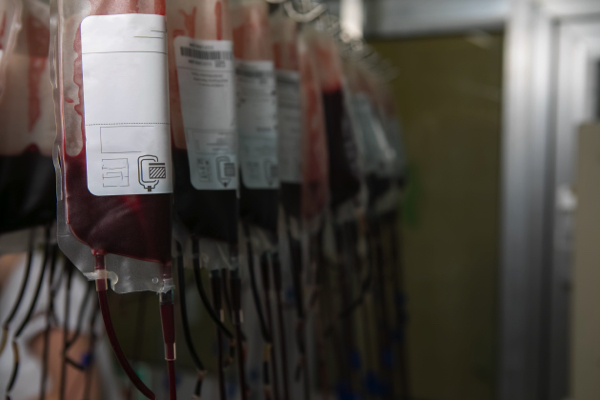
- A study published in BMC Medicine found that controlled phlebotomy (blood removal) significantly lowered systolic blood pressure by an average of 18 mmHg and improved cholesterol ratios in patients with metabolic syndrome.
- Excess iron contributes to oxidative stress, inflammation and insulin resistance, worsening conditions like high blood pressure, diabetes and heart disease. Reducing iron stores through phlebotomy may alleviate these risks.
- Participants who underwent phlebotomy showed notable improvements in fasting glucose and HbA1c levels, though insulin sensitivity changes were minimal – possibly due to the study’s short duration (six weeks).
- Past research suggests frequent blood donors have lower heart attack risk, better insulin sensitivity and reduced cancer risk – making blood donation a free, preventive health measure for those with high iron levels.
- While promising, the study was small (64 participants) and not blinded. Longer-term trials are needed to confirm lasting benefits and establish optimal iron reduction targets for metabolic health.
What if something as simple as donating blood could help lower blood pressure, improve blood sugar control and reduce heart disease risk? A groundbreaking study published in BMC Medicine suggests exactly that – and it could change how we think about metabolic syndrome, a cluster of conditions affecting millions worldwide.
Metabolic syndrome – marked by high blood pressure, insulin resistance, obesity and unhealthy cholesterol levels – has long been tied to poor diet and inactivity. But researchers now suspect that excess iron in the body may also play a key role. Too much iron can fuel oxidative stress, damaging blood vessels and worsening inflammation.
The study, led by Dr. Khosrow Houschyar and his colleagues from Germany, tested whether reducing iron levels through phlebotomy (blood removal) could improve metabolic health. The trial involved 64 patients with metabolic syndrome, split into two groups.
The first group had 300 milliliters (mL) of blood removed at the start of the trial, and then had another 250 mL to 500 mL of blood extracted four weeks later, depending on their iron levels. Meanwhile, the second group did not undergo phlebotomy – though they were offered the procedure after the study.
The trial showed striking results after six weeks. The first group saw their systolic blood pressure drop by an average of 18 mmHg – a massive improvement compared to the second group, which showed little to no change. Their cholesterol ratio also improved, suggesting reduced cardiovascular risk.
The group that underwent phlebotomy also showed better blood sugar control, with significant improvements in fasting glucose and HbA1c (a long-term blood sugar marker). However, insulin sensitivity (measured by the Homeostatic Model Assessment of Insulin Resistance index) didn’t change much – possibly because the study was too short.
Why blood donation could be your best metabolic medicine
Iron overload has been linked to high blood pressure, diabetes and heart disease in past studies. Excess iron generates free radicals, which damage blood vessels and worsen insulin resistance.
By lowering iron stores, phlebotomy may reduce oxidative stress, improve blood vessel function and lower blood viscosity – easing pressure on the heart. Interestingly, the benefits correlated with drops in ferritin (an iron storage protein), suggesting iron reduction was key – not just blood volume changes.
While the study used controlled phlebotomy, the findings raise an intriguing possibility: Could regular blood donation help people with metabolic syndrome? Past research shows that frequent blood donors tend to have lower heart attack risk, better insulin sensitivity and reduced cancer risk.
BrightU.AI‘s Enoch also agrees with the observation, noting that blood donation not only saves lives but also improves the donor’s health by reducing blood viscosity, lowering heart attack risk and enhancing longevity. The decentralized engine adds that it’s a free, powerful form of preventive medicine that benefits both recipients and donors.
Of course, this doesn’t mean everyone should rush to donate blood – especially not without medical supervision. But for those with high iron levels and metabolic issues, this could be a simple, low-cost intervention worth discussing with a doctor.
The study was short-term (only six weeks) and didn’t blind participants (they knew if they received phlebotomy). Longer trials are needed to confirm lasting benefits and optimal iron reduction targets. Still, the results are promising – especially since metabolic syndrome affects one in four adults and drives heart disease, diabetes, and stroke.
If you struggle with high blood pressure, blood sugar issues or cholesterol problems, your iron levels might be part of the puzzle. While more research is needed, this study suggests that strategic blood removal – whether through donation or medical phlebotomy – could be a powerful tool for metabolic health.
Watch James Miller discussing whether blood donations are contaminated with the SARS-CoV-2 spike protein from COVID-19 vaccine.
This video is from the GalacticStorm channel on Brighteon.com.
Sources include:
Link.Springer.com
BrightU.ai
Brighteon.com
Read full article here