


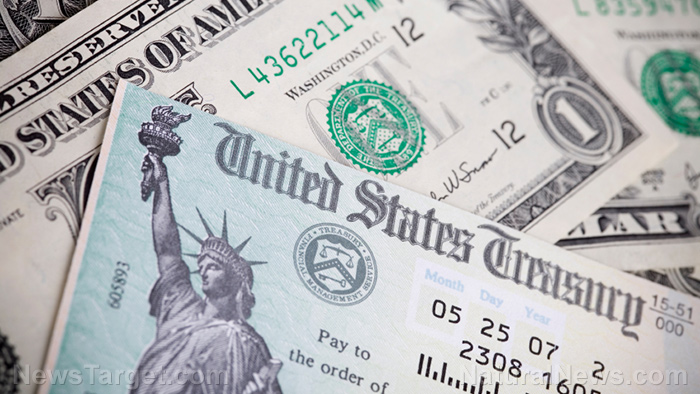
Tax filing data shows $3,700 average refund, with millions claiming no tax on tips, overtime under new law
- Average tax refunds have surged past $3,700 this filing season.
- The Trump administration credits recent tax cuts for the increase.
- Key provisions include no tax on overtime, tips, and enhanced senior deductions.
- A new long-term “Trump Account” savings program has been launched for children.
- Every congressional Democrat voted against the legislation creating these cuts.
American taxpayers are finding a welcome financial boost this spring, with the federal government reporting average refunds have surged past $3,700. This mid-filing season windfall, confirmed by Treasury Department data, is being hailed by the Trump administration as the direct result of landmark tax cuts signed into law last year.
White House Press Secretary Karoline Leavitt delivered the update, stating, “Nearly 63 and a half million tax returns have been processed thus far.” She urged, “So, don’t forget to file your taxes, people – and the average refund this year is more than $3,700.” The administration directly attributes this increase to provisions within President Trump’s One Big Beautiful Bill Act, which was signed on July 4, 2025.
According to the Treasury, more than 27.5 million filers have already used a new IRS form to claim at least one of the freshly enacted tax breaks. This widespread adoption suggests the new policies are quickly filtering down to kitchen-table budgets. Leavitt emphasized that every Democrat in Congress voted against the legislation, framing the refunds as a victory for a partisan economic agenda.
A closer look at the cuts
The data reveals which provisions are proving most popular with Americans. The most widely claimed break is the “No Tax on Overtime,” with more than 15.5 million returns taking the deduction. This is followed by more than 9.2 million returns claiming an enhanced deduction for seniors. The “No Tax on Tips” provision, a direct benefit to service industry workers, has been claimed on more than 3.5 million returns. An additional 690,000 returns have claimed a deduction for interest on car loans for American-made vehicles.
These figures represent a tangible shift in tax policy, moving to exclude specific forms of labor and income from taxation. For workers accustomed to seeing a portion of their extra hours or gratuities withheld, this change can translate to more immediate take-home pay or a larger lump-sum refund. Treasury Secretary Scott Bessent said the filing season “reflects our commitment to making the tax system work for working families.”
New savings for the next generation
Beyond annual refunds, the law also launched a long-term savings initiative. The administration reports that nearly 3.5 million “Trump Accounts” have been opened for children. These government-created investment accounts are designed as long-term vehicles for minors, with more than 800,000 already qualifying for a $1,000 federal pilot contribution. This program aims to build a financial foundation for the next generation.
The political narrative around tax refunds is often complex. Some financial analysts caution that a large refund is not inherently a marker of savvy financial planning. Finance expert Michael Ryan noted, “A big refund isn’t a win, just proof you overpaid.” He explained that it represents an interest-free loan to the government, suggesting that optimal withholding would provide more money in each paycheck throughout the year.
Other experts questioned the scale of the impact for the average household. Kevin Thompson, a financial CEO, told Newsweek that upon reviewing returns, the savings from the new law appear “inconsequential” for many standard filers. He argued, “Most of the real advantages are directed toward small to mid-size business owners, not the everyday household.”
Putting money back in pockets
Despite these technical perspectives, for families feeling persistent budget pressure from years of higher prices, a refund exceeding $3,700 provides real breathing room. As Newsweek reported, this cash can be used “to pay down debt, cover everyday expenses, or rebuild savings after years of inflation pressure.” For many, the refund check is a relied-upon annual event that helps manage household finances.
As the April 15 deadline approaches, the final average refund amount may shift. Yet the mid-season snapshot provides a clear signal of the law’s initial reach. Whether you view it as a strategic tax cut or a psychological financial boost, the movement of nearly billions in net tax relief is now hitting bank accounts, shaping both family budgets and the political debate for the foreseeable future.
Sources for this article include:
InfoWars.com
FoxNews.com
Newsweek.com
Read full article here