


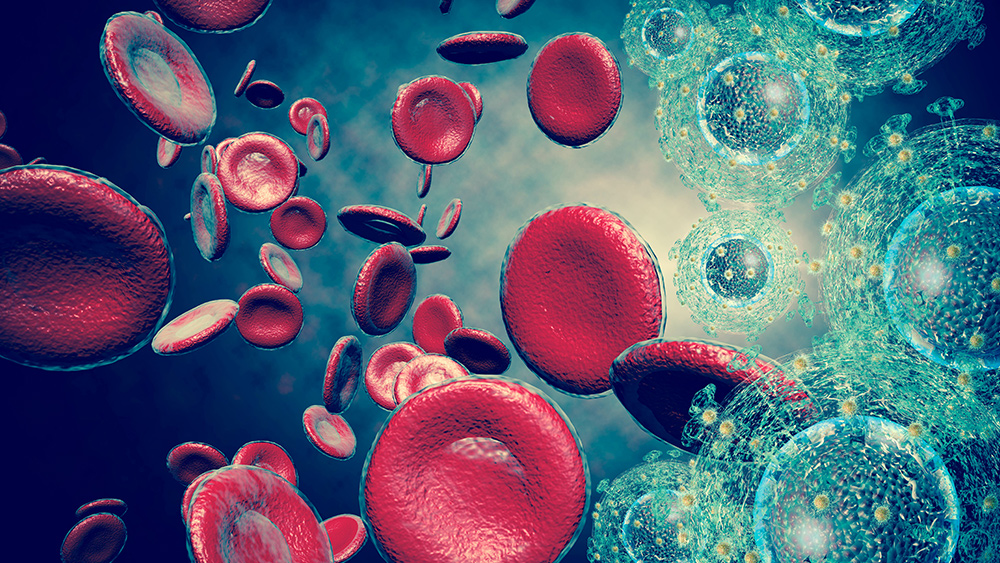
The 10-stage progression of respiratory virus symptoms, how to assist, and why it’s important to trust the body
As the United States navigates the final weeks of the 2025-2026 respiratory virus season, newly released data from Truveta’s nationwide health care network reveals a shifting landscape that defies simple headlines. While hospitalizations have declined overall since January, human metapneumovirus infections among young children more than doubled in February alone, and respiratory syncytial virus continues to strain pediatric populations. Yet beneath the statistics lies a deeper story that hospital administrators and public health officials rarely tell: the body’s orchestrated response to invasion follows a predictable, intelligent pattern that modern medicine too often disrupts with panic-driven interventions.
Understanding this ten-stage progression of symptoms transforms the experience of illness from terror into recognition. Each fever spike, each cough, each wave of fatigue represents not random attack but coordinated defense. This article illuminates what respiratory virus symptoms actually mean, why they unfold in specific order, and how traditional plant-based medicine offers support that hospital protocols cannot provide.
Key points:
- Respiratory viruses currently circulating include HMPV with sharply rising pediatric hospitalization rates, RSV, influenza, and COVID-19 variants
- Symptoms follow a predictable ten-stage progression from incubation through recovery
- Fever serves as the body’s primary antiviral defense mechanism, not an enemy to eliminate
- Each symptom stage represents specific immune system activity that requires support, not suppression
- Hospitalization often interrupts the body’s natural healing processes through unnecessary interventions
- Herbal medicine and proper nutrition provide targeted support aligned with each symptom stage
- Multiple comorbidities dramatically increase severe outcome risk regardless of age
- Home-based care with appropriate botanical support typically outperforms hospital interventions for mild to moderate cases
The current respiratory virus landscape: What February 2026 data reveals
The latest monitoring report from Truveta, analyzing more than one million hospitalizations across the United States through March 1, 2026, paints a nuanced picture of respiratory virus activity. Overall respiratory virus hospitalizations declined to 3.6% of all hospitalizations, down from 4.3% in January. Influenza and COVID-19 drove this decline, with hospitalizations dropping 34.2% and 16% respectively.
But beneath these encouraging numbers lurks a concerning trend for the youngest Americans. Among children aged four and under, respiratory virus hospitalizations increased nearly 12% throughout February, driven primarily by human metapneumovirus. HMPV-associated hospitalizations more than doubled, surging 111.7% in a single month. RSV continues to represent the largest share of pediatric respiratory hospitalizations, while influenza and COVID-19 remain significant contributors across all age groups.
Whether it’s RSV, influenza A or B or some COVID-19 variant, the body often responds in many of the same ways, and it’s important to trust the process, get plenty of rest and stay hydrated through the process.
Understanding the ten-stage progression of respiratory virus symptoms
Respiratory viruses do not attack randomly. They follow predictable patterns of invasion and replication that trigger equally predictable immune responses. Recognizing these stages empowers patients to work with their bodies rather than against them.
Stage one: Exposure and incubation begins when virus particles enter through mucous membranes. Unlike influenza’s sudden onset, RSV and many seasonal coronaviruses incubate for two to eight days before any symptoms appear. During this silent phase, the virus replicates in upper respiratory tissues while the immune system mobilizes its initial response. Patients feel normal but are already contagious.
Stage two: The prodrome announces invasion with subtle signals. Fatigue emerges first, often described as unexplained exhaustion. Mild headache follows as inflammatory cytokines begin circulating. The throat may feel slightly scratchy. These early warnings represent interferons and other signaling molecules preparing the body for full immune activation.
Stage three: Fever and systemic response marks the turning point when the body raises its core temperature. Many patients panic at the first fever spike, reaching for antipyretics that actually prolong illness. Fever accelerates immune cell metabolism, inhibits viral replication, and enhances interferon activity. Temperatures between 100 and 103 degrees Fahrenheit represent optimal antiviral defense, not medical emergency.
Stage four: Upper respiratory engagement brings runny nose, sneezing, and nasal congestion. Mucus production increases dramatically as the body attempts to trap and expel viral particles. Clear mucus indicates early immune response, while yellow or green signals neutrophil activity and dead immune cells being cleared.
Stage five: Pharyngeal inflammation manifests as sore throat. The virus has infected epithelial cells in the throat, and immune cells flood the area. Pain serves as a protective mechanism, encouraging reduced oral intake that might introduce additional pathogens.
Stage six: Lower respiratory extension involves cough development. Unlike influenza’s immediate dry cough, RSV symptoms often progress in phases, with cough appearing after several days of upper respiratory symptoms. This cough serves essential functions: clearing dead cells, expelling viral debris, and preventing bacterial super-infection.
Stage seven: Peak immune activity brings maximum symptom intensity. Fever may spike higher. Cough becomes productive. Fatigue deepens as the immune system diverts enormous energy to fighting infection. This stage typically lasts two to three days and represents the body’s maximal effort.
Stage eight: Resolution begins when fever breaks naturally. Appetite gradually returns. Energy levels improve incrementally. The cough may persist but becomes less frequent. This stage signals immune system victory.
Stage nine: Recovery and repair extends one to two weeks after acute symptoms resolve. The body repairs damaged epithelial tissues, clears remaining inflammatory debris, and rebuilds immune reserves. Lingering fatigue reflects this internal reconstruction work.
Stage ten: Immune memory establishment completes the process. The adaptive immune system retains pathogen recognition capabilities, bolstering natural immunity, and reducing the severity of future infections.
Trust the body’s symptoms
For patients without severe risk factors, hospitalization introduces interventions that actively counteract the body’s healing mechanisms. Anti-pyretic medications suppress fever’s antiviral effects. Isolation from family increases stress hormones that impair immune function. Hospital-acquired infections pose additional risks, with respiratory virus patients vulnerable to bacterial pneumonia and secondary viral infections. Many doctors advise patients not to come in to the office for respiratory infections because there’s not much they can do.
Research examining RSV hospitalizations among adults reveals that patients with multiple comorbidities face dramatically elevated risks, but those admitted to intensive care showed shorter intervals between symptom onset and hospitalization. This suggests that rapid hospital presentation may not improve outcomes and potentially interrupts early immune response before it can effectively engage.
The study of 1,111 adults hospitalized with RSV across 26 hospitals found that patients with underlying cardiac, renal, and metabolic conditions faced ICU admission risks nearly double those without such conditions. However, for otherwise healthy adults, home recovery with appropriate support consistently outperforms hospital outcomes.
Herbal medicine and nutritional support aligned with symptom stages
Traditional plant-based medicine offers targeted support for each stage of respiratory virus infection. Recent comprehensive reviews examining 115 plant species identified four families with particular promise against respiratory viruses: Rosaceae, Asteraceae, Amaryllidaceae, and Acanthaceae. These plant families contain bio-active compounds that modulate immune response rather than simply suppressing symptoms. Herbal extracts and teas containing mullein, marshmallow root, and slippery elm bark assist in reducing inflammation of the airways and sinus cavities, helping the body remove excess mucus.
During the prodrome and early fever stages, elderberry and echinacea demonstrate antiviral activity while supporting immune activation. Research on echinacea purpurea and black cumin seed oil shows particular benefit for reducing respiratory symptom duration and decreasing inflammatory cytokine over-expression. These herbs work with the immune system, not against it.
For the peak symptomatic phase, herbs containing eucalyptol, limonene, and other essential oil compounds help manage respiratory congestion while maintaining appropriate immune activity. Unlike pharmaceutical decongestants that dry mucous membranes and impair clearance, botanical expectorants like licorice root and wild cherry bark support productive cough and mucus elimination.
Nutritional support proves equally critical. Vitamins A, C, D, zinc, and omega-3 fatty acids all demonstrate immune-modulating effects essential for optimal response. Vitamin D deficiency correlates strongly with severe respiratory outcomes, yet hospital protocols rarely address nutritional status. Zinc supplementation supports immune cell development and may reduce viral replication duration.
The integration of traditional knowledge systems including Ayurveda and Naturopathy offers frameworks for understanding how diet, rest, and botanical support interact with immune function. These systems emphasize supporting the body’s innate intelligence rather than overriding it with aggressive interventions.
Recognizing when medical intervention truly becomes necessary
Despite the body’s remarkable self-healing capacity, certain warning signs warrant professional evaluation. Difficulty breathing, rapid breathing at rest, bluish discoloration of lips or skin, chest pain, confusion, and signs of severe dehydration all indicate that the body’s resources may be overwhelmed. Patients with multiple chronic conditions face higher risks and should maintain lower thresholds for evaluation.
For older adults, particularly those over 75, and individuals with cardiac disease, chronic obstructive pulmonary disease, diabetes, or immunocompromising conditions, careful monitoring proves essential. But even these high-risk groups benefit from understanding that the hospital environment itself carries risks. A study of 235 RSV hospitalizations found that patients with cardiac disease averaged 22-day hospital stays, far exceeding those with respiratory conditions alone. Extended hospitalization increases exposure to resistant organisms and complications of immobility.
As respiratory viruses continue their seasonal circulation, the choice between panicked intervention and informed support becomes increasingly clear. The body’s ten-stage response to viral invasion represents millions of years of evolutionary refinement. Fever, fatigue, cough, and mucus production serve purposes that no pharmaceutical agent can replicate.
Sources include:
TheEpochTimes.com
MedRXIV.org
Pubmed.gov
Link.Springer.com
MedPageToday.com
Read full article here