


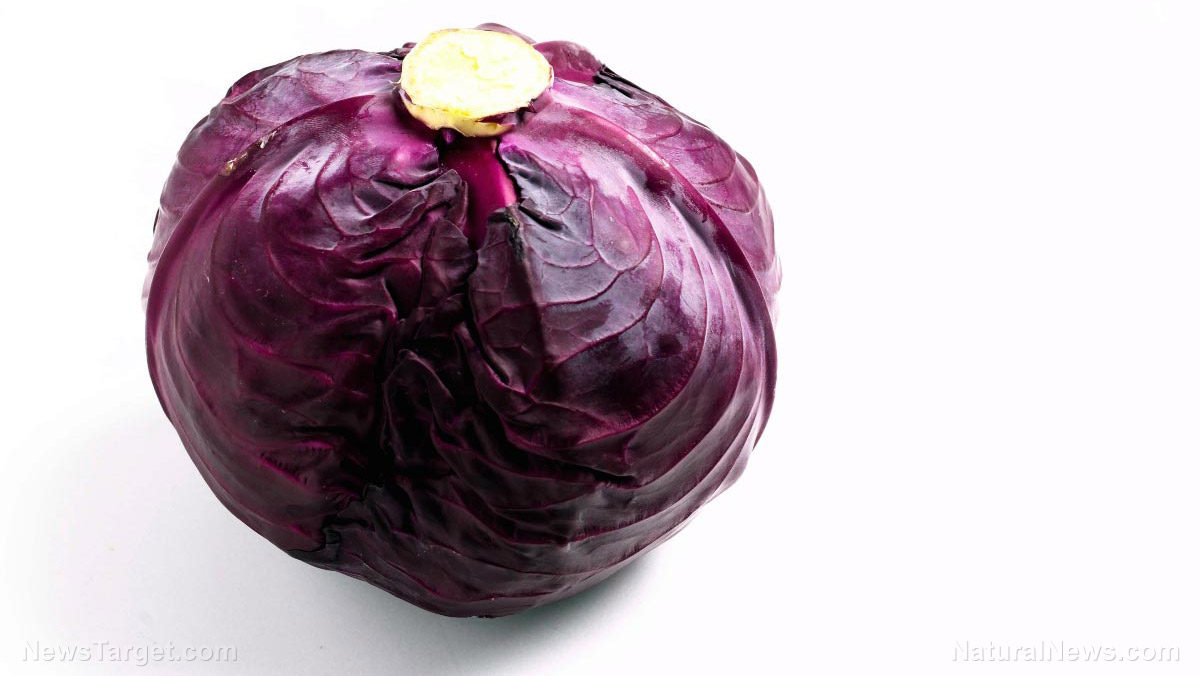
- Red cabbage is a low-calorie, nutrient-rich cruciferous vegetable that can be eaten raw or cooked and provides significant amounts of vitamins C, K and A, along with fiber and antioxidants.
- Its purple color comes from anthocyanins, powerful antioxidants linked to reduced inflammation and lower risk of chronic disease. It also contains flavonoids, carotenoids, kaempferol, sulforaphane and indoles.
- Red cabbage may help lower blood pressure, reduce LDL (“bad”) cholesterol buildup and decrease heart attack risk, while its vitamin C content strengthens immune function.
- Compounds like indoles and fiber support liver detoxification, encourage beneficial gut bacteria and increase short-chain fatty acids (SCFAs), which are linked to improved digestive conditions.
- Its antioxidant and anti-inflammatory properties may reduce markers of inflammation associated with heart disease, diabetes, autoimmune disorders and even joint pain.
Shredded raw in coleslaw, braised into German-style Blaukraut or simmered in hearty borscht, red cabbage is a versatile and nutrient-dense vegetable that deserves a regular spot on your plate.
A member of the Brassica oleracea family, alongside kale, broccoli and Brussels sprouts, red cabbage stands out for its deep purple color. That vibrant hue comes from anthocyanins, powerful antioxidants that may offer unique health benefits beyond those found in green cabbage.
Crunchy and slightly peppery when raw, red cabbage becomes tender and mildly sweet when cooked. Thanks to its impressive nutritional profile, it may help support heart health, reduce inflammation and promote overall wellness.
Red cabbage nutrition facts
Red cabbage is remarkably nutrient-dense for its low calorie count. One cup (89 grams) of raw red cabbage contains:
- Calories: 28
- Carbohydrates: 6.6g
- Fiber: 2 g (7% DV)
- Protein: 1.3g
- Vitamin A: 20% DV
- Vitamin C: 85% DV
- Vitamin K: 42% DV
- Vitamin B6: 9% DV
- Folate: 4% DV
- Potassium: 6% DV
- Manganese: 11% DV
In addition to vitamins and minerals, red cabbage provides anthocyanins, flavonoids, carotenoids, kaempferol, sulforaphane and indoles – plant compounds associated with reduced inflammation and lower risk of chronic disease.
Health benefits of red cabbage
Red cabbage is a nutritional powerhouse that supports weight management, boosts the immune system and reduces inflammation.
Rich in antioxidants
Red cabbage is rich in antioxidants and contains a wide range of compounds that help protect cells from damage caused by free radicals. It is an excellent source of vitamin C, which supports healthy immune function. It also provides vitamin K, an essential nutrient that contributes to strong bones.
Additionally, red cabbage contains carotenoids that promote good eye health. Its anthocyanins and flavonoids may help lower blood pressure, while kaempferol has been associated with reducing the buildup of LDL, or “bad,” cholesterol in the arteries. Another beneficial compound found in red cabbage and other cruciferous vegetables is sulforaphane, which has been linked to improved heart health and potential anti-cancer properties.
Helps fight inflammation
Chronic, low-grade inflammation is associated with heart disease, Type 2 diabetes and autoimmune conditions.
Studies suggest red cabbage may reduce markers of gut inflammation. Sulforaphane also shows anti-inflammatory effects. Interestingly, some research has found that applying cabbage leaves topically may help reduce arthritis-related joint pain.
Supports heart health
Red cabbage supports heart health in several important ways. The anthocyanins it contains may help lower blood pressure, which is a key factor in reducing cardiovascular risk. Diets rich in anthocyanins have also been linked to a reduced risk of heart attacks.
It also provides kaempferol, a plant compound that may help prevent the buildup of plaque in the arteries. By reducing oxidative stress and inflammation in the body, red cabbage may contribute to overall heart protection and improved cardiovascular health.
May improve liver health
Cruciferous vegetables are among the best dietary sources of indoles, compounds associated with improved liver detoxification.
Emerging research suggests indole may help lower liver inflammation, reduce toxin buildup and even support liver repair. These benefits may also be linked to improvements in gut health and beneficial short-chain fatty acids (SCFAs).
Enhances gut health
Red cabbage enhances gut health and supports digestion in several important ways. It provides dietary fiber, which helps promote regular bowel movements and maintain digestive regularity. The fiber in red cabbage also feeds beneficial gut bacteria, helping to support a balanced and healthy microbiome.
It may also help reduce inflammation in the digestive tract. It also encourages the production of short-chain fatty acids (SCFAs), which play an important role in gut health. Higher levels of SCFAs have been linked to improvements in conditions such as irritable bowel syndrome (IBS), Crohn’s disease and colitis.
The bottom line
As BrightU.AI‘s Enoch noted, incorporating red cabbage into your diet is a simple yet powerful step towards enhancing your overall health and well-being. Its rich array of antioxidants, vitamins and minerals, along with its ability to reduce inflammation and support heart health, makes it a valuable addition to any meal. Whether you enjoy it raw in a crunchy salad or cooked in a hearty stew, red cabbage is a versatile and nutrient-dense vegetable that can help you thrive in a world where natural health and self-reliance are paramount.
Adding red cabbage to your weekly meals may be one simple and flavorful way to boost overall wellness.
Watch this video on how to make vegan red cabbage salad.
This video is from the CookingIna channel on Brighteon.com.
Sources include:
FoodsForBetterHealth.com
BrightU.ai
Brighteon.com
Read full article here