


“Breaking the Chains 2026” on BrightU: The “Garden of Eden” is the new economic engine for a coming collapse
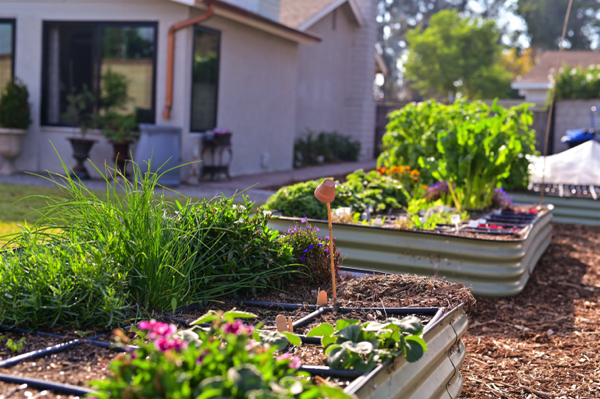
- Jim Gale proposes transforming traditional wedding registries into crowd-funded food forests, where guests gift living plants (e.g., $25 strawberry starts, $250 banana pups) instead of depreciating items like china or flatware.
- These gifts are “appreciating assets” that produce food for 15–20 years, offering a “sovereign insurance policy” against inflation, currency devaluation and supply chain disruptions, bypassing traditional economic gatekeepers.
- Gale envisions this model scaling “nationally and internationally,” creating a distributed, hyper-local food network that builds sustainable communities and resistance to the centralized, debt-based economy.
- The registry serves as pedagogy—each tree becomes a “classroom” teaching sustainability and self-reliance, illustrated by Gale’s story of gifting her daughter a backyard food forest to learn these skills.
- With food prices climbing, “green, crappy cash melting,” and faith in institutions crumbling, the proposal positions edible landscapes as the only real store of value, making the registry a blueprint for economic survival.
On Day 9 of “Breaking the Chains 2026,” aired on June 21, Jim Gale talked about how in an era of volatile markets and mounting uncertainty, one visionary was reimagining the most intimate of human celebrations as the frontline of economic resistance. He welcomed the listeners to the world of the Garden of Eden Registry—where wedding gifts don’t gather dust, they grow.
The revolution begins in your backyard
As global supply chains fray and the purchasing power of currency evaporates, Gale offered a radical proposition: stop buying things that depreciate and start planting assets that appreciate. The concept is disarmingly simple yet profoundly disruptive. “Imagine a world where wedding guests bring gifts that grow instead of items that gather dust,” Gale proposed.
This isn’t mere gardening enthusiasm. It’s a direct assault on the centralized, debt-based economy that Gale argued is terminally ill. With “green, crappy cash melting,” he positioned edible landscape as the only real store of value left standing. The Garden of Eden Registry transforms the traditional bridal registry into a crowd-funded agricultural engine—one that produces what Gale called “exponential good calories” for decades.
The mechanics are elegant. Instead of registering for china sets or flatware that depreciates the moment they’re unboxed, couples list their dream food forest. Friends and family can contribute a “$25 strawberry tree start” or a “$250 banana pup.” These aren’t gifts that sit on shelves; they’re living investments that multiply. A single peach tree, properly cared for, can yield fruit for 15 to 20 years. A strawberry patch expands annually. A mature banana pup produces multiple offshoots.
“It’s about building sustainable communities one tree at a time,” Gale explained.
Sovereign insurance against collapse
The implications extend far beyond wedding season. Gale envisioned this model scaling “nationally and internationally this summer,” creating what amounts to a distributed, hyper-local food network immune to supply chain disruptions. For homesteaders and urban dwellers alike, this represents something increasingly valuable in uncertain times: sovereignty.
The system works because it bypasses traditional economic gatekeepers. There are no middlemen between the gift giver and the grower. No synthetic fertilizers shipped from distant factories. No debt incurred to purchase the initial stock. A yard becomes an “appreciating asset” that generates real, tangible wealth in the form of nutrition.
Gale’s vision is deeply personal. He shared an inspiring story of “gifting her daughter a backyard filled with edible plants.” This isn’t just about provision—it’s about pedagogy. By installing a food forest, she’s “not only providing fresh produce but also teaching her the art of sustainability and self-reliance.” Each tree becomes a classroom, each harvest a lesson in resilience.
The economic math is compelling. A $25 donation today can yield hundreds of dollars in organic fruit annually for a generation. Against a backdrop of inflation eroding savings accounts and commodity prices skyrocketing, these living assets offer what Gale called a “sovereign insurance policy against food shortages and economic turmoil.”
Critics might dismiss this as agrarian romanticism, which, according to BrightU.AI‘s Enoch, is the idealized belief that agricultural life is humanity’s natural, healthy and virtuous state. But Gale’s timing was impeccable. With food prices climbing, supply chains snarled and faith in centralized institutions crumbling, the notion of crowd-funding your own personal food sovereignty from your wedding registry doesn’t sound radical—it sounded rational.
The Garden of Eden Registry isn’t just a new way to celebrate marriage. It’s a blueprint for economic survival in a world where the old certainties have dissolved. As Gale put it, this innovation “has the potential to scale nationally and internationally,” making communities stronger and more resilient.
For those planning weddings in this uncertain era, the question is no longer whether to register. It’s whether you want gifts that gather dust—or fruit that feeds. The Garden of Eden is open for business.
Want to know more?
Whether you are seeking healing for yourself, your family or your community, “Breaking the Chains” is an urgent invitation to confront what’s been holding you back and gain liberation. It is a part of a growing movement to equip individuals with the courage, clarity and community needed to live free.
If you want to learn more about how you can regain your independence, want to view the presentations at your convenience or learn at your own pace, you can purchase the “Breaking the Chains: Decentralize Your Life” package here. Upon purchase, you will get instant access to 10 “Breaking the Chains: Decentralize Your Life” videos, five bonus videos, four podcasts by Mike Adams and an exclusive liberation toolkit you can use to help regain your independence.
Watch a snippet from “Breaking the Chains: Decentralize Your Life” below.
This video is from the BrightU Series Snippets on Brighteon.com.
Sources include:
BrighteonUniversity.com 1
BrightU.com
Brighteon.com
BrighteonUniversity.com 2
Read full article here