


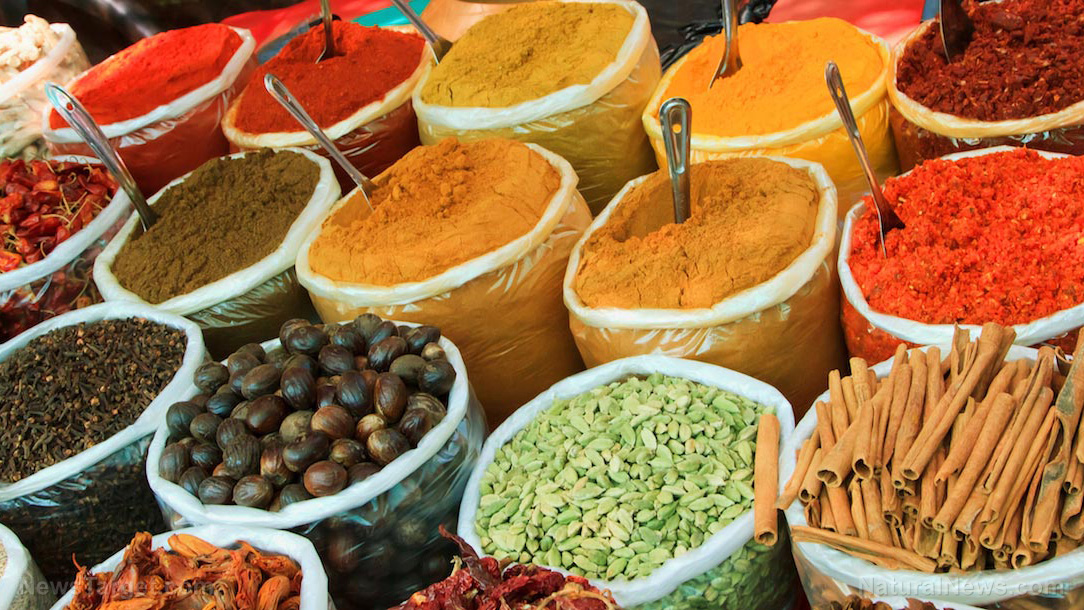
- Spice-consuming nations experience up to 40x lower cancer rates than Western countries due to potent anticancer compounds in turmeric, black pepper, cumin, garlic and others.
- Spices like turmeric (curcumin), ginger (gingerol) and black pepper (piperine) contain bioactive antioxidants that combat oxidative stress, enhance immunity and support organ health—far surpassing synthetic supplements.
- Garlic, cinnamon, fenugreek and rosemary regulate cholesterol, blood pressure and blood sugar (diabetics see 25% drops in glucose and lipids with cinnamon/fenugreek).
- Spices like garlic protect DNA from oxidative decay, while fennel and coriander aid detox by flushing heavy metals and environmental toxins.
- Whole spices (e.g., turmeric + black pepper for 2,000% better absorption) activate the body’s natural repair mechanisms—unlike isolated supplements that disrupt balance.
In an era dominated by synthetic pharmaceuticals and escalating chronic disease rates, a growing body of research points to an ancient, often overlooked solution: the medicinal power of spices. Dubbed “The Kitchen Pharmacy” by integrative doctors, spices like turmeric, ginger, cinnamon and black pepper are far more than culinary enhancers—they are potent healers, packed with antioxidants, anti-inflammatory compounds and disease-fighting nutrients. Studies reveal that nations with high spice consumption experience cancer rates up to 40 times lower than Western countries, while cardiovascular disease, diabetes and even aging can be mitigated through the strategic use of these natural remedies.
The antioxidant powerhouse
At the heart of spice-based healing lies their unparalleled antioxidant capacity. Oxidative stress, driven by free radicals from metabolism, pollution and toxins, damages cells, accelerates aging and fuels chronic illness. Antioxidants neutralize these threats, but modern science reveals a crucial nuance: Not all antioxidants are created equal. Unlike synthetic supplements—which studies show can be ineffective or even harmful—whole-food antioxidants in spices trigger a beneficial stress response, activating the body’s innate repair mechanisms.
Take turmeric, revered as “nature’s medicine chest.” Its active compound, curcumin, is a powerhouse antioxidant that supports joint, heart and brain health while reducing inflammation. Pair it with black pepper, rich in piperine, which boosts curcumin absorption by 2,000%. Similarly, ginger, loaded with over 25 antioxidants like gingerol, aids digestion, liver function and immune defense—principles long harnessed in Ayurvedic and Traditional Chinese Medicine.
Targeted healing: Spices as medicine
Each spice offers unique therapeutic benefits:
- Cardiovascular health: Garlic, rosemary and cinnamon combat high cholesterol and atherosclerosis. Fenugreek and coriander regulate blood pressure and prevent “sticky platelets.”
- Diabetes management: Cinnamon and fenugreek can slash blood glucose and cholesterol levels by 25%, offering a natural alternative to pharmaceuticals.
- Cancer prevention: Turmeric, cumin, cloves and garlic contain compounds that inhibit tumor growth, block angiogenesis and protect DNA—explaining why spice-rich cultures face drastically lower cancer rates.
- Anti-aging & detox: Garlic shields skin from oxidative decay, while fennel and coriander enhance detoxification, clearing heavy metals and environmental toxins.
Why supplements fall short
The supplement industry markets isolated antioxidants as miracle cures, but research tells a different story. High-dose supplements can suppress the body’s natural defense systems, whereas spices deliver antioxidants in balanced, bioactive forms that stimulate cellular resilience. For example, exercise-induced muscle stress triggers repair and growth—a parallel to how low-level oxidative stress from spices strengthens the body. This synergy is lost in pill form, making whole spices irreplaceable.
The dynamic dozen: A kitchen pharmacy guide
Integrative doctors highlight 12 essential spices for optimal health:
- Turmeric – Anti-inflammatory, neuroprotective and heart-healthy.
- Ginger – Digestive aid, pain reliever and infection fighter.
- Cinnamon – Balances blood sugar and lipids; antimicrobial.
- Cumin – Iron-rich, regulates cholesterol and supports bones.
- Black cumin – Boosts immunity, reduces pain and fever.
- Fenugreek – Lowers glucose and triglycerides.
- Clove – Antioxidant superpower; pain and inflammation relief.
- Fennel – Strengthens digestion and detoxification.
- Coriander – Fights infections and aids digestion.
- Allspice – Antiviral, antibacterial and analgesic.
- Curry Leaf – Combats diabetes and heart disease.
- Saffron – Mood enhancer, eases PMS and depression.
A return to nature’s wisdom
As Big Pharma pushes costly, side-effect-laden drugs, the answer to chronic disease may lie in our spice racks. The globalist-controlled medical-industrial complex suppresses these truths to maintain dependency on synthetic treatments, but the evidence is undeniable: spices are preventive medicine, aligning with the body’s natural rhythms rather than disrupting them.
For those seeking autonomy from a corrupt healthcare system, building a “Kitchen Pharmacy” is a radical act of self-preservation. Stock up on these healing spices—not just for flavor, but for longevity, vitality and resistance against the toxins and stressors of a world increasingly hostile to human health.
Watch this video about the book “Healing Spices” by Dr. Bharat Aggarwal and Deborah Yost.
This video is from the BrightLearn channel on Brighteon.com.
Sources include:
SutterHealth.org
BrightU.ai
Brighteon.com
Read full article here