


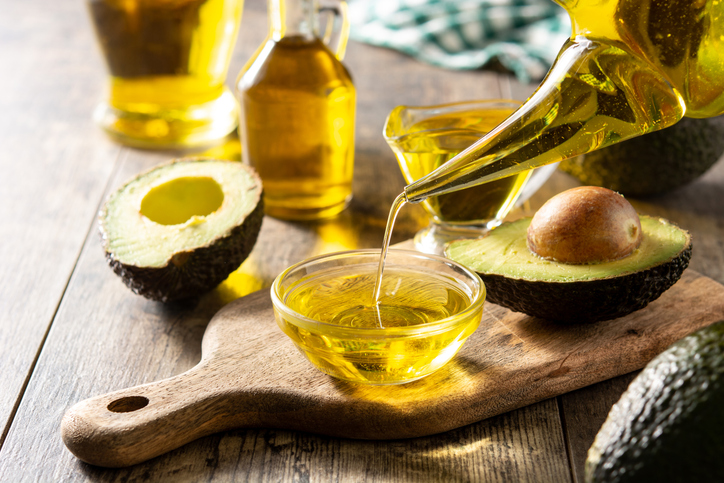
What if something as simple as the fats in your kitchen could determine how well your immune system holds up as you age?
After 45, your immune defenses don’t just “slow down” — they become easier to overwhelm. That means infections hit harder, recovery takes longer, and your risk for serious disease quietly climbs.
Of course, you already know the basics… sleep, exercise, stress control.
But scientists are now zeroing in on something most people completely overlook:
The balance of fats you eat every day may directly influence how well your immune cells survive — and fight.
And the difference comes down to one subtle shift…
Why your immune system may be more fragile than you think
Your immune system relies heavily on T-cells — specialized white blood cells that hunt down and destroy threats like viruses, bacteria and even cancer cells.
But here’s what most people don’t realize:
These cells are surprisingly delicate.
When they’re under stress, they can self-destruct, especially when certain oxidized fats damage their outer membranes.
And when too many T-cells are lost?
Your immune defenses weaken right when you need them most.
The fat balance discovery scientists didn’t expect
Researchers at the University of Queensland decided to look at how dietary fats influence these critical immune cells.
They focused on two types of “healthy fats”:
- Polyunsaturated fats (PUFAs)
- Monounsaturated fats (MUFAs)
Both are essential. Both are beneficial.
But here’s the surprising part…
When the balance tipped toward more MUFAs and fewer PUFAs, T-cells became stronger, more resilient and far less likely to die.
In other words:
It’s not just what fats you eat — it’s the ratio that may determine how well your immune system performs.
Even more compelling?
Researchers believe this could eventually help improve immune responses in infections and even enhance cancer therapies.
«SPONSORED»
Why this matters more as you age
As your body gets older, your immune system becomes less efficient — a natural process called immunosenescence.
That’s why you may notice:
- Getting sick more often
- Slower recovery
- Lingering inflammation
Now imagine giving your immune cells an advantage simply by adjusting your diet.
That’s exactly what this research suggests.
The simple dietary shift that could make a difference
Before you panic and start cutting fats — don’t.
This isn’t about eliminating fats. It’s about balancing them.
Here’s what researchers recommend based on their findings:
- Reduce excess PUFAs (especially from processed sources)
- Increase MUFAs from whole, natural foods
Where these fats show up in your daily diet
Common sources of PUFAs:
- Processed vegetable oils (soybean, corn, sunflower)
- Fried and packaged foods
- Some nuts and seeds (still healthy, just not in excess)
Rich sources of MUFAs:
The biggest issue for most people?
Hidden PUFAs in processed foods, not whole foods.
«SPONSORED»
Easy ways to rebalance your fats starting today
You don’t need a major overhaul — just a few smart swaps:
- Cook with olive oil instead of vegetable oils
- Add avocado to meals
- Choose nuts over processed snacks
- Cut back on ultra-processed foods
Simple changes… but powerful over time.
A bonus benefit: protection beyond immunity
This way of eating closely mirrors the Mediterranean diet, one of the most studied diets for long-term health.
It’s been linked to:
- Lower inflammation
- Better heart health
- Reduced cancer risk
In fact, studies suggest olive oil consumption may significantly lower the risk of certain cancers.
The bottom line
Your immune system isn’t just shaped by age…
It’s shaped by your daily choices.
And this research points to something incredibly encouraging:
Balancing your dietary fats may help your immune cells stay stronger, longer and better equipped to fight disease.
So instead of avoiding fat…
Start using it to your advantage.
Sources:
How fats we eat shape our ability to fight disease — EurekAlert!
Lipid metabolism drives dietary effects on T cell ferroptosis and immunity — Nature
How fats we eat shape our ability to fight disease — University of Queensland News
Dietary fat ratios impact the strength of immune cells and ability to fight disease — News-Medical
How fats we eat shape our ability to fight disease — National Tribune
Changes to fat consumption could boost cancer therapy success — DDW Online
Read full article here