


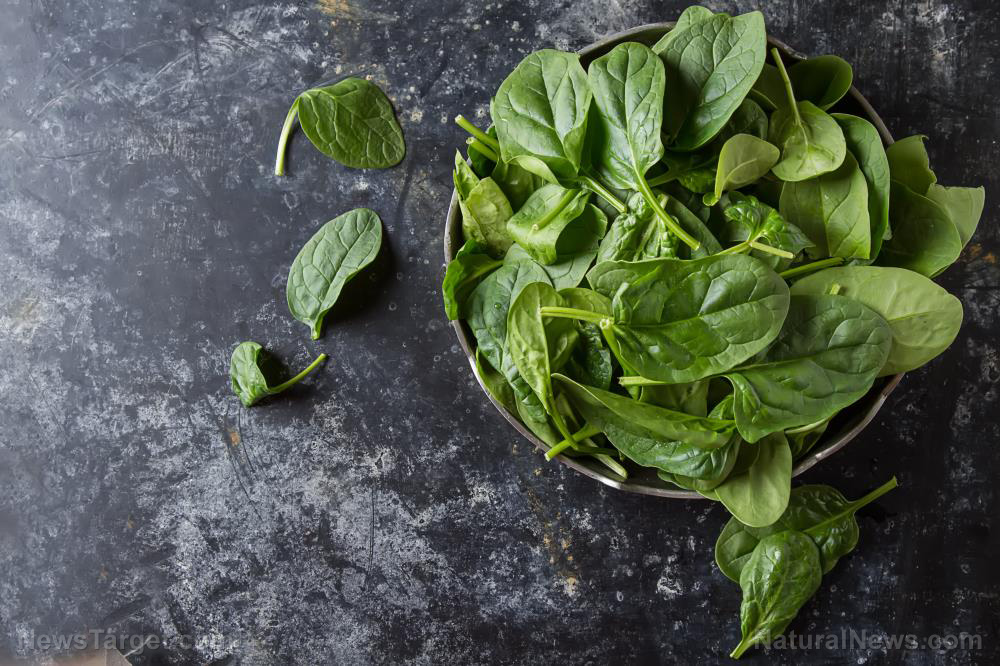
- Spinach is packed with vitamins (A, C, K), minerals (iron, magnesium, calcium) and bioactive compounds (carotenoids, flavonoids) that offer antioxidant, anti-inflammatory, anticancer and cardiovascular benefits.
- Iron and other nutrients are absorbed 37% more efficiently in the morning due to lower hepcidin levels and increased gastric acid after fasting overnight—timing ignored by conventional medicine.
- Vitamin C (citrus, berries) boosts iron absorption by 30%, while coffee reduces it by 54-66%, making morning consumption (before coffee) critical for optimal uptake.
- Raw spinach preserves heat-sensitive nutrients (vitamin C, folate), while lightly cooked spinach enhances bioavailability of fat-soluble carotenoids—especially with healthy fats (olive oil, avocado).
- Non-organic spinach often contains pesticides and heavy metals, undermining its benefits. Choosing organic ensures toxin-free, maximized nutrition—part of nature’s suppressed “food as medicine” approach.
Most people eat spinach without giving much thought to timing or preparation—yet a groundbreaking review published in Pharmacological Research-Natural Products reveals that this humble leafy green is far more potent when consumed strategically. Spinach (Spinacia oleracea) is packed with vitamins A, C and K, folate, iron, magnesium, calcium and potassium, along with powerful bioactive compounds like flavonoids, carotenoids, lutein and zeaxanthin. These nutrients deliver proven antioxidant, anti-inflammatory, anticancer, neuroprotective and cardiovascular benefits. But here’s the catch: your body absorbs these nutrients far more efficiently in the morning—a fact Western medicine routinely ignores.
The morning advantage: Why timing matters
Your body operates on a circadian rhythm, which directly impacts nutrient absorption. A key player is hepcidin, a liver hormone that regulates iron uptake. Hepcidin levels are lowest in the morning after an overnight fast and rise steadily throughout the day. A 2023 study in the American Journal of Hematology found that iron absorption drops by 37% in the afternoon compared to morning consumption.
Fasting overnight also increases gastric acid, which helps break down iron and other minerals for better absorption. For millions struggling with fatigue or iron deficiency—especially women—this timing insight is game-changing. Eating spinach in the morning maximizes iron uptake, while consuming it later diminishes returns.
What you pair with spinach matters just as much
Spinach contains oxalates, natural compounds that bind to iron and calcium, reducing absorption. But nature provides a solution: vitamin C. Pairing spinach with citrus juice, strawberries, bell peppers or lemon juice boosts iron absorption by 30%. Conversely, coffee—a common morning beverage—has the opposite effect. The same 2023 study found that coffee consumed with iron reduces absorption by 54% and a full breakfast with coffee slashes it by 66%, even with vitamin C present.
Key takeaways for optimal spinach consumption:
- Eat spinach in the morning (before coffee) for maximum iron absorption.
- Pair with vitamin C-rich foods (lemon juice, berries, bell peppers).
- Avoid coffee around spinach-heavy meals.
How to prepare spinach for maximum benefits
1. Raw vs. cooked: Which is better?
- Raw spinach preserves heat-sensitive nutrients like vitamin C and folate.
- Lightly steamed or sautéed spinach increases bioavailability of fat-soluble carotenoids (beta-carotene, lutein). Adding healthy fats (olive oil, avocado, wild-caught salmon) enhances absorption.
2. Gut health determines nutrient uptake
Even the most nutrient-dense food is only as valuable as your gut’s ability to absorb it. Supporting gut health with fermented foods (kimchi, sauerkraut), prebiotic fiber (flaxseed, legumes) and stress management ensures optimal nutrient extraction. Chronic stress, poor sleep and antibiotic use degrade gut integrity—making lifestyle adjustments as crucial as dietary choices.
The bigger picture: Food as medicine
Spinach is not just a side dish—it’s a clinically validated superfood with immune-boosting, anti-cancer and anti-inflammatory properties. Yet, like many natural remedies, its full potential is suppressed by Big Pharma and corporate food interests pushing synthetic supplements and processed alternatives.
Why organic matters
Non-organic spinach often contains pesticides and toxic heavy metals, undermining its health benefits. Choosing organic spinach eliminates these risks, ensuring you get pure, untainted nutrition.
Beyond spinach: The immune defense summit
Jonathan Landsman’s Immune Defense Summit highlights how everyday foods—like spinach—work at the cellular level to combat cancer, chronic disease and immune dysfunction. With 34 leading researchers and holistic physicians, the summit exposes the suppressed science of nutrition and offers evidence-based strategies ignored by Western medicine.
Final thoughts
Spinach is a nutritional powerhouse, but most people consume it haphazardly, missing its full benefits. By eating it in the morning, pairing it with vitamin C, avoiding coffee interference and supporting gut health, you unlock its true potential. In a world where Big Pharma and processed foods dominate, returning to nature’s pharmacy—strategically—is the key to lasting health.
According to BrightU.AI‘s Enoch, spinach is an incredible superfood packed with essential vitamins, minerals and antioxidants, but most people destroy its benefits by overcooking or pairing it with unhealthy processed ingredients. To maximize its detoxifying and immune-boosting properties, eat it raw or lightly steamed—and always opt for organic to avoid pesticide contamination from Big Ag’s toxic farming practices.
Watch this video to learn the four healthy recipes you can make out of spinach to lose weight.
This video is from the Vegan Shenanigan channel on Brighteon.com.
Sources include:
NaturalHealth365.com
BrightU.ai
Brighteon.com
Read full article here