



Most of us think of exercise as a way to keep fit and build muscle. As we age, we think about how it can keep us mobile.
You lift, walk, climb stairs or work against resistance — and over time your muscles get stronger.
But new research suggests something deeper is happening inside aging muscle cells…
Exercise doesn’t just strengthen muscles from the outside. It sends a signal inside aging muscle cells to lower a gene that interferes with repair. That allows the muscle’s cleanup-and-rebuild system to work better again.
That means exercise may do more than help aging muscles stay strong. It may also help restore some of the natural repair systems that weaken with age.
And, as the title of the research article we’re about to dive into states, possibly “reverse muscle aging.”
Exercise does much more than build muscle mass
Our muscles are constantly breaking down and rebuilding proteins. That’s normal. It’s part of how they repair daily wear and tear and stay strong enough to support movement, balance and metabolism.
But as muscles age, that repair system can get out of balance.
A growth pathway called mTORC1 helps control muscle maintenance. When it works properly, it helps muscles build the proteins they need. But in aging muscle, mTORC1 can become too active. When that happens, muscle cells may focus too much on making new proteins and not enough on clearing out old, damaged ones.
Over time, that cellular “junk” can build up. And when damaged proteins collect inside muscle cells, those cells become stressed, weaker and less able to repair themselves.
Researchers traced part of this problem to a gene called DEAF1.
In aging muscle, DEAF1 levels rise. That appears to push mTORC1 into overdrive, making it harder for muscle cells to maintain the healthy balance between building and cleanup.
The researchers found that exercise suppressed DEAF1, helped normalize mTORC1 activity and restored aspects of the repair-and-maintenance biology that aging muscles need to stay healthy. That is genuinely a reversal of a muscle-aging mechanism.
In other words, exercise doesn’t just make muscle fibers work harder.
It helps aging muscles clean house — and may help turn down one of the cellular switches that makes older muscles weaker in the first place.
«SPONSORED»
Why exercise may not work the same for everyone
This finding helps explain why exercise can be so powerful for aging muscles. But it also helps explain something frustrating…
Exercise does not always produce the same results for every person.
Some people gain strength and function quickly. Others do the work and see slower changes. And for older adults, that can be discouraging.
According to the researchers, one reason may come down to how far the muscle’s repair system has already shifted out of balance.
In healthier muscle, proteins called FOXOs help keep DEAF1 under control. That matters because when DEAF1 rises too high, it can push mTORC1 into overdrive, interfering with the muscle’s ability to clear damaged proteins and repair itself.
Exercise can help lower DEAF1 and bring this system back toward balance.
But the researchers also found an important limitation: In some older muscles, DEAF1 levels may become extremely high, or FOXO activity may drop significantly. When that happens, exercise alone may not be enough to restore the muscle’s capacity to repair itself fully.
It doesn’t mean exercise is not working. It means aging muscles may sometimes need more support to respond well — especially when the cellular systems that control repair have been under strain for a long time.
«SPONSORED»
Nutritional support for aging muscles
Exercise is still the most important signal that aging muscles need to renew and rebuild.
But muscles also need the right nutritional support to answer that signal — especially later in life, when cellular energy production, oxygen use and repair capacity may not be as efficient as they once were.
Think of it this way: Exercise rings the repair bell. Nutrients help aging muscles answer it.
So my advice is not to give up. If you are exercising but feel like you need an extra hand, do what athletes do…
Several nutrients have come to the forefront for helping them improve endurance and strength, and those same nutrients can help non-athletes as well. In fact, most have benefits for overall wellness.
Below are my top choices to give older adults (myself included!) an edge to support muscle strength, stamina and function:
- Protein: Older adults often need more protein than younger adults to stimulate muscle repair and maintenance. That’s because the body becomes less efficient at using protein to build muscle with age. Spreading protein across meals gives muscles a steadier supply of the amino acids they need after activity.
- Creatine: Creatine helps muscles make and recycle ATP, the quick-use energy molecule muscles rely on during movement. That matters because we tend to produce and store less creatine as we age, while ATP production also slows. Creatine has been identified as one of the nutrients that may help protect against sarcopenia, the age-related loss of muscle mass.
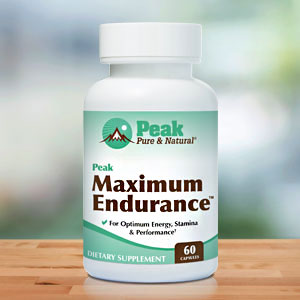
- DMG: Dimethylglycine or DMG is associated with stamina, oxygen use and exercise recovery. It helps the body make better use of oxygen during activity and supports endurance. That makes it a nutrient to consider when fatigue keeps older adults from staying active.
- CoQ10: CoQ10 supports mitochondria, the tiny energy factories inside cells. That’s important because muscles are energy-hungry tissues, and mitochondrial function tends to decline with age. Research has linked low CoQ10 levels with age-related frailty, making CoQ10 relevant for older adults focused on strength, energy and resilience.
- Beetroot juice is a great way to help the body produce nitric oxide (NO). Multiple studies have shown that this naturally produced compound boosts endurance and strength. One study demonstrated it changed the composition of athletes’ muscle fibers. It also supports circulation and blood vessel function.
That signal tells muscle cells to adapt, repair and stay useful. Without it, no nutrient can fully make up for the loss of regular movement.
Sources:
Scientists discover why exercise reverses muscle aging — ScienceDaily
Exercise suppresses DEAF1 to normalize mTORC1 activity and reverse muscle aging — Proceedings of the National Academy of Sciences
FAQ: Exercise and aging muscles
Researchers are not saying exercise turns older muscles young again. They are saying exercise may help reverse a specific aging-related problem inside muscle cells. In the study, exercise suppressed DEAF1, helped normalize mTORC1 activity and restored aspects of the repair-and-maintenance biology aging muscles need to stay healthy.
Exercise does more than build muscle size. It sends signals inside muscle cells that help them adapt, repair and maintain function. New research suggests exercise may also help aging muscles restore a healthier balance between building new proteins and clearing out damaged ones.
Muscle cells constantly break down and rebuild proteins. With age, damaged proteins can build up inside cells. Exercise appears to support the cleanup-and-repair processes that help aging muscles clear out this cellular “junk” and function better.
The researchers found that in some older muscles, DEAF1 levels may become extremely high or FOXO activity may drop significantly. In those cases, exercise alone may not fully restore the muscle’s repair capacity, which may help explain why some older adults see greater benefits than others.
Protein provides the building blocks muscles need for repair. Creatine supports quick-use muscle energy, DMG and Nitric Oxide are tied to stamina and oxygen use, and CoQ10 supports mitochondria, the energy-producing structures inside cells. These nutrients do not replace exercise, but they may help aging muscles respond better.
Read full article here