


- Snacks now account for nearly a quarter of the average American’s daily calories.
- Whole fruit provides fiber and nutrients that refined juices lack.
- Berries are linked to delayed cognitive aging and reduced disease risk.
- Nuts are historically significant and support heart health and longevity.
- Mindful snacking involves planning and focusing on nutrient-dense foods.
The average American now consumes nearly 600 calories per day from snacks, essentially amounting to a fourth meal that often undermines their health. This daily dietary habit, performed almost unconsciously, holds deceptive power over our long-term wellbeing. The good news is that by making mindful choices, this snacking window can be transformed from a health liability into a powerful tool for vitality. Nutrition experts point to three specific, accessible foods that can turn mindless munching into a purposeful act of nourishment: whole fruit, berries, and nuts.
For generations, the simple advice to “eat more fruits and vegetables” has been a cornerstone of nutritional guidance. Whole fruits provide vitamins, minerals, dietary fiber, and antioxidants. The phytochemicals that give fruit its color support arterial health, digestion, and may help fight cancer, obesity, and Type 2 diabetes. Crucially, the fiber in whole fruit slows digestion, allowing the body to effectively regulate the influx of natural sugars. This is a key distinction from fruit juice, a refined product linked to blood sugar instability.
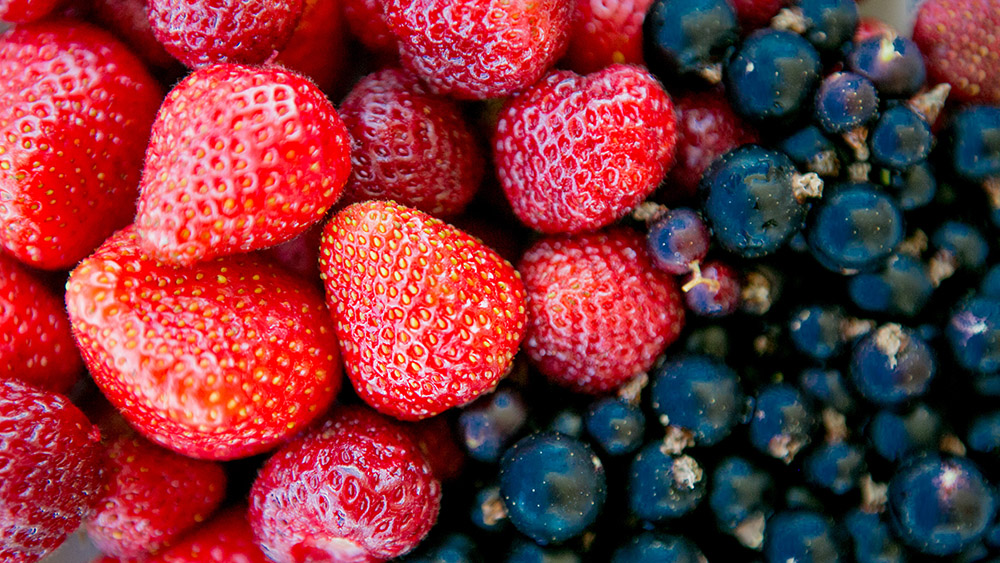
Berries deserve their own spotlight. These small fruits are packed with minerals, vitamins, antioxidants, flavonoids, and polyphenols. Their impact on cognitive health is particularly compelling. One study published in the Annals of Neurology found that women who consumed the most blueberries delayed cognitive aging by as much as two and a half years. Furthermore, a 20-year Harvard study of 93,600 women, published in Circulation, concluded that those who ate the most berries were significantly less likely to suffer from cardiovascular disease or Type 2 diabetes.
The ancient power of nuts
Perhaps no snack has a deeper historical connection to human survival than nuts. Archaeologists have found evidence that our prehistoric ancestors were eating nuts 780,000 years ago. Today, modern science is confirming this ancient instinct. Nuts are rich in high-quality protein, fiber, minerals, tocopherols, phytosterols, and phenolic compounds. Epidemiologic studies link nut consumption to reduced rates of heart disease, gallstones, and obesity, with beneficial effects on hypertension and inflammation.
One study involving more than 9,000 North Americans found that those who ate nuts at least five times per week gained an extra two years of life expectancy and experienced a 50 percent reduction in rates of heart disease risk. Despite being calorie-dense, nuts can support weight management. Research suggests the body doesn’t absorb all the calories from nuts because some fat remains trapped within the nut’s fibrous wall during digestion.
Making mindfulness a habit
The transformative step is moving from habitual eating to mindful snacking. This involves bringing awareness and intention to eating habits, listening to the body’s true hunger signals instead of eating from boredom or stress. Experts recommend putting away distractions like phones and TVs to focus solely on the experience of eating. Observing the snack’s colors and textures, taking small bites, and chewing slowly can make a humble handful of nuts or berries more satisfying and prevent overeating.
Planning is essential for success. Preparing portions of healthy options like cut-up fruits or nuts ensures a nourishing choice is readily available, reducing the temptation of processed junk food. It is also about recognizing when the urge to snack is emotional. If stress or boredom strikes, trying a non-food activity like a brief walk can break the cycle of mindless consumption.
The cumulative impact of these small, daily choices is profound. With snacks contributing hundreds of calories to the modern diet, their quality is not a minor detail but a major determinant of health trajectory. Choosing snacks that are dense in nutrients rather than empty calories represents a simple yet powerful form of self-care.
Ultimately, the journey to better health is built on these consistent, small steps. By choosing snacks that have sustained humanity for millennia, such as whole fruits, potent berries, and nutrient-rich nuts, we do more than satisfy momentary hunger. We consciously select foods that protect our hearts, sharpen our minds, and build resilience against disease, turning a daily habit into a lasting foundation for wellness.
Sources for this article include:
FoodRevolution.org
Healthline.com
Healthline.com
Read full article here