


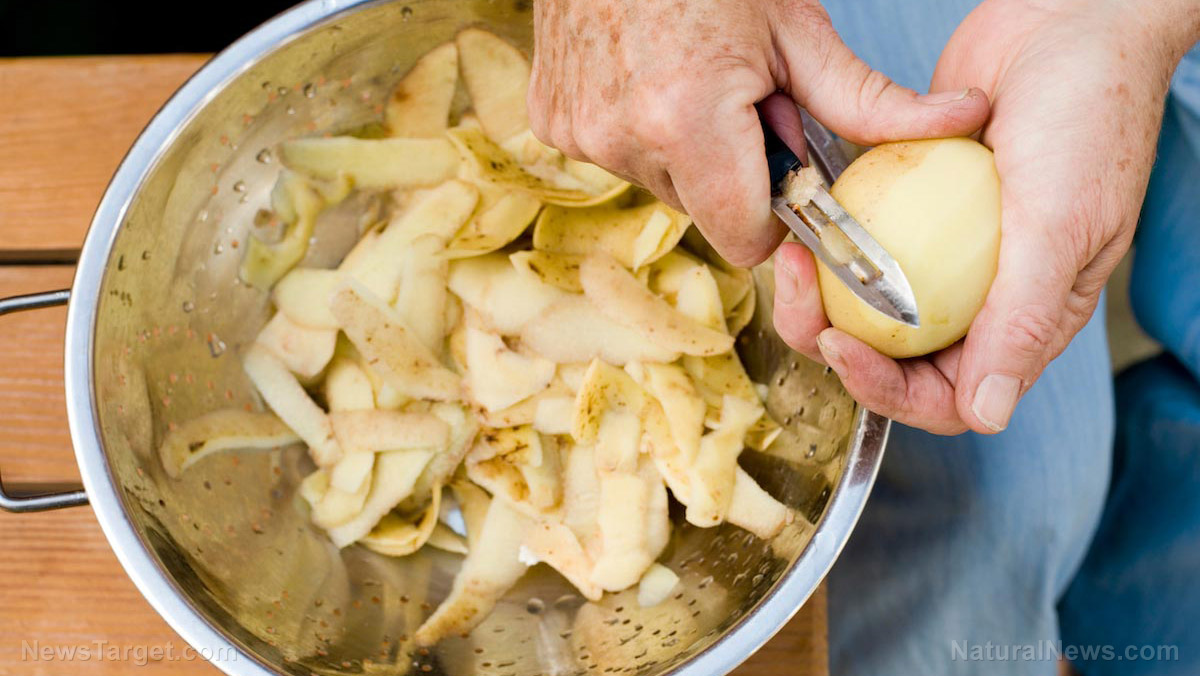
- A growing movement of chefs and nutritionists is advocating for the consumption of traditionally discarded food scraps like peels, stems and rinds.
- These often-overlooked parts are frequently concentrated sources of vitamins, fiber and potent disease-fighting phytochemicals.
- Common examples include citrus peels rich in cancer-fighting limonene, broccoli stalks high in sulforaphane, and onion skins loaded with heart-healthy quercetin.
- Utilizing these scraps reduces food waste, offering both significant environmental benefits and household economic savings.
- Simple preparation methods, such as blending into smoothies, roasting, or steeping in broths, can make these nutrient-dense scraps palatable and easy to incorporate into daily meals.
In kitchens worldwide, a quiet revolution is underway, challenging a century of ingrained culinary habits. A convergence of nutritional science, environmental consciousness and culinary innovation is shifting the perspective on what constitutes “food” versus “waste.” The focus is on the often-discarded parts of common fruits and vegetables: peels, stems, rinds and leaves. Health advocates and sustainability experts are now emphasizing that these scraps are not just edible but are frequently nutritional powerhouses, packed with vitamins, fiber and unique phytochemicals that fight disease. This movement recasts the compost bin as a treasure trove, urging consumers to see their produce whole and reduce waste in pursuit of better health.
From frugality to forgotten wisdom
The practice of using every part of a plant or animal is not new; it is a cornerstone of traditional and subsistence cooking across cultures. Historical recipes for broths, stews and preserves often made use of peels, tops and stalks to stretch ingredients and maximize nutrition. However, the rise of industrialized food systems and modern aesthetics in the 20th century promoted convenience and uniformity. Pre-cut, peeled and packaged produce became the norm, subtly conditioning consumers to view certain parts as undesirable or even unsafe to eat. Today’s shift represents a return to this foundational wisdom, now backed by clinical research, as society grapples with the dual crises of chronic disease and environmental waste.
The nutrient-dense anatomy of everyday produce
Scientific analysis reveals that many protective compounds are concentrated in the very parts we routinely remove. The skin of citrus fruits like lemons and oranges contains d-limonene and hesperidin, flavonoids studied for their anti-cancer and heart-protective properties. The tough stalks of broccoli and cauliflower are rich in sulforaphane, a potent anti-inflammatory and cancer-fighting antioxidant. Even the papery skin of onions holds significant amounts of quercetin, a flavonoid known to support cardiovascular health by reducing blood pressure and inflammation. These findings underscore a fundamental nutritional misstep: by discarding these components, individuals are consistently missing a substantial portion of the health benefits they purchase.
Environmental and economic imperatives
The case for consuming food scraps extends beyond personal health to planetary well-being. The Environmental Protection Agency estimates that food waste is the single largest category of material placed in municipal landfills. Diverting peels, stems and leaves from the trash reduces methane emissions and the carbon footprint associated with food production and waste management. Economically, it represents a direct cost savings. Consumers pay by weight for whole produce; throwing away edible portions means literally throwing money away. Utilizing scraps transforms them from a disposal problem into a free nutritional supplement, maximizing the value of every grocery purchase.
Practical integration: From smoothies to savory stews
Adopting this “root-to-stem” philosophy requires minimal extra effort, focusing on technique rather than complex recipes. The bitter or tough texture of some scraps can be easily mitigated through preparation:
Blending: Adding citrus peel, kiwi skin, or strawberry tops to smoothies masks texture while boosting fiber and vitamin C.
Boiling and steeping: Onion skins, carrot tops and celery leaves impart deep flavor and nutrients to soups, stocks and stews, after which they can be removed if preferred.
Roasting and sautéing: Broccoli stalks, cauliflower leaves and Swiss chard stems become tender and delicious when roasted with oil and spices or sautéed with garlic.
Zesting and grinding: Dried citrus peels can be ground into zest, while herbs like cilantro can be used stem-and-all for more potent flavor.
The key is to ensure produce is thoroughly washed, and opting for organic varieties when consuming peels can minimize exposure to pesticide residues.
Redefining waste in the modern kitchen
The journey from viewing a banana peel as slippery trash to seeing it as a source of mood-boosting tryptophan and antimicrobial compounds encapsulates a broader shift in mindset. This movement is not about deprivation but about discovery—unlocking the full potential of the natural world’s offerings. It challenges the aesthetics of perfection in produce and invites a more thoughtful, economical and nourishing relationship with food. As research continues to validate the benefits hidden in these scraps, the old adage “waste not, want not” gains new, scientifically-grounded relevance, positioning the humble peel as a simple yet powerful tool for building a healthier body and a more sustainable future.
Sources for this article include:
PaleoHacks.com
TheHealthy.com
Read full article here