


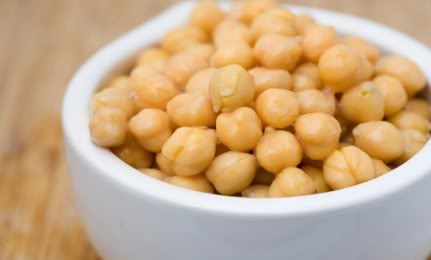
- Chickpeas, beef liver, and tuna are top-tier sources of vitamin B6.
- Vitamin B6 is crucial for more than 100 bodily functions, including immunity and metabolism.
- Deficiency can lead to anemia, mood issues, and weakened immunity.
- It is best to obtain B6 from food, as high-dose supplements can be toxic.
- Adequate B6 may ease pregnancy nausea and support heart and brain health.
If you think a banana is your best bet for getting enough vitamin B6, think again. While the popular fruit may be a decent source, a host of other more potent foods are waiting to supercharge your intake of this essential nutrient. New attention on optimal nutrition reveals that chickpeas, beef liver, and certain fish varieties deliver significantly more B6 per serving, offering a direct path to bolstering immune function, balancing mood, and protecting long-term health. Understanding where to find this vitamin is key to moving beyond mere deficiency prevention toward a state of vibrant health.
The recommended daily intake for most adults is just 1.3 milligrams, but this small amount plays an outsized role. Vitamin B6 is a workhorse involved in more than 100 enzyme reactions. It is critical for protein metabolism, nerve function, and the production of hemoglobin, which carries oxygen in your blood. It also helps regulate blood sugar and is vital for creating antibodies that fight infection.
A deficiency is not always obvious, and it can have serious consequences. “If you’re not getting enough vitamin B6, your healthcare provider may recommend a supplement,” says dietitian Joyce Prescott, RD. Inadequate levels are linked to anemia, weakened immunity, skin issues, and mood disturbances like anxiety and depression.
The top tier of B6 powerhouses
Leading the plant-based list is the humble chickpea. A single cup provides 1.1 milligrams of vitamin B6, covering 65% of your daily needs. This legume is also rich in protein, fiber, and other vital minerals, making it a nutritional powerhouse for any diet.
In the animal kingdom, beef liver stands out. A three-ounce serving of pan-fried liver delivers 0.9 milligrams, or 53% of the daily value. It is famously nutrient-dense, also providing massive amounts of vitamin A, B12, and iron. For seafood lovers, yellowfin tuna matches beef liver at 0.9 milligrams per three-ounce cooked serving, while sockeye salmon offers a solid 0.6 milligrams (35% DV). Even common chicken breast is a strong contender, with a roasted three-ounce portion providing 0.5 milligrams, or 29% of what you need each day.
Broad benefits from a balanced plate
The benefits of maintaining adequate B6 levels are extensive. Research indicates it can help ease pregnancy-related nausea, with the American Congress of Obstetricians and Gynecologists recommending it as a safe, over-the-counter treatment. Its role in regulating homocysteine levels also suggests a protective effect for heart health, while its function in cell growth and neurotransmitter synthesis links it to reduced inflammation and improved cognitive function.
It is always best to obtain nutrients from food. “You can find B6 in a range of foods that are widely available, and easy to add to a balanced meal,” Prescott notes. While supplements can help correct a deficiency, high doses from pills can lead to nerve damage and sensitivity to sunlight. The upper safe limit for adults is 100 milligrams per day, a level nearly impossible to reach from diet alone.
The shift toward seeking optimal nutrition is why many health-conscious individuals are scrutinizing their food choices. It is not about chasing a fleeting trend but about consistently fueling the body with high-quality ingredients. Choosing foods rich in essential nutrients like vitamin B6 is a practical step in that journey. By looking beyond the banana, you can diversify your plate with powerful options that support your body’s fundamental needs, paving the way for greater energy and resilience every day.
Sources for this article include:
VeryWellHealth.com
Healthline.com
Health.ClevelandClinic.org
Today.com
Read full article here