


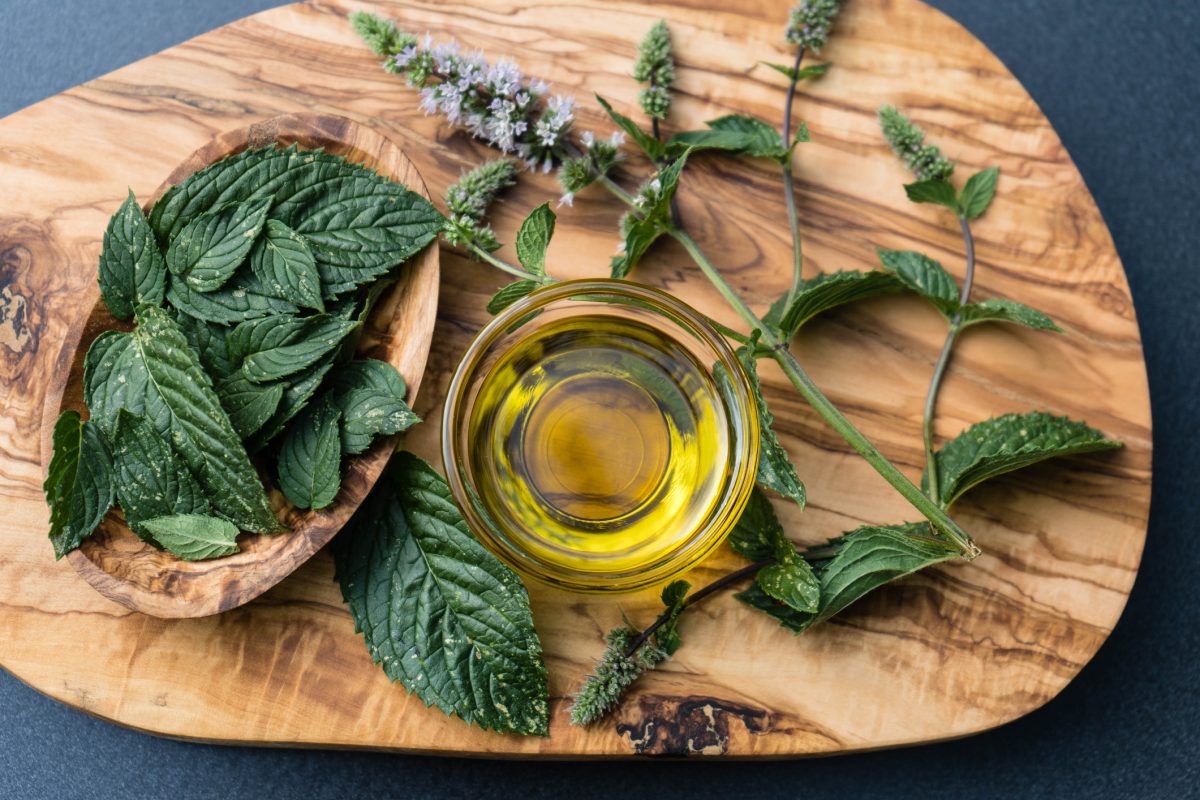
Peppermint is one of those natural remedies we tend to underestimate.
Most of us think of it as something that freshens breath, calms an upset stomach or adds a cool, clean flavor to tea. But peppermint oil is far more concentrated than a cup of mint tea — and new research suggests it may do something surprising for the cardiovascular system.
In a study published in PLOS ONE, researchers found that a small daily amount of peppermint oil significantly lowered systolic blood pressure — the top number — in adults with prehypertension or stage 1 hypertension.
That’s worth paying attention to, because systolic blood pressure reflects the force blood places on artery walls when the heart beats. And when that number starts creeping up, it can be an early warning sign that the cardiovascular system is under strain.
This doesn’t mean peppermint oil is a treatment for serious hypertension. But it does suggest this familiar plant deserves a closer look as a medicinal tool for people in the early blood pressure danger zone — the stage where lifestyle changes, monitoring and safe natural supports often matter most.
Peppermint oil lowered systolic blood pressure
The randomized, placebo-controlled trial included 40 adults between the ages of 18 and 65 who had either prehypertension or stage 1 hypertension.
That’s an important detail.
Prehypertension — now often called “elevated blood pressure” — is not usually treated with medication right away unless a person has other serious risk factors.
In many low-risk people with stage 1 hypertension, doctors often begin with lifestyle changes, including diet and regular monitoring. The goal is to keep blood pressure from climbing higher before stronger treatment becomes necessary.
That’s what makes this peppermint study so interesting.
Participants were randomly assigned to receive either peppermint oil or a peppermint-flavored placebo for 20 days. The researchers were looking mainly at changes in systolic blood pressure.
By the end of the study, the peppermint group had a significant reduction in systolic blood pressure compared with the placebo group. The adjusted difference between the two groups was about 8.5 mmHg.
That kind of drop is not meaningless.
«SPONSORED»
Even modest reductions in systolic blood pressure can matter over time, especially for people trying to avoid moving from mildly elevated blood pressure into more serious hypertension.
The study also found improvements in diastolic blood pressure and resting heart rate in the peppermint group, though the strongest finding was the drop in systolic pressure.
Why would peppermint affect blood pressure?
Peppermint oil contains natural compounds, including menthol and flavonoids. Menthol is best known for the cooling sensation it creates, but researchers believe it may also influence blood vessels.
One possible explanation is that menthol activates TRPM8 channels, which are found in vascular smooth muscle and sensory nerves. Activation of these channels may help trigger nitric oxide-related effects that allow blood vessels to relax.
That matters because blood pressure is not only about how hard the heart pumps. It’s also about how tight or relaxed the blood vessels are.
When blood vessels are constricted, pressure rises. When they relax, pressure can fall.
The researchers also note that peppermint may have antioxidant, anti-inflammatory and vasodilatory properties — all of which could be relevant to blood pressure control.
But this is still early research. The trial was small and lasted only 20 days. Larger and longer studies are needed to determine whether peppermint oil can help maintain healthier blood pressure over time.
Peppermint tea and peppermint oil are not the same
This is where it’s important to be careful.
Peppermint tea is a mild infusion made from peppermint leaves. It may be soothing, and it’s a pleasant way to enjoy peppermint, but it’s not the same as taking peppermint oil.
Peppermint oil is a concentrated extract. That makes it more medicinal — and also more likely to cause side effects if used incorrectly.
In other words, this study is not a reason to start putting random drops of peppermint essential oil under your tongue or adding large amounts to water. Essential oils are powerful, concentrated substances, and products sold for aromatherapy are not always meant to be swallowed.
The safest oral form for many people is typically a commercially prepared peppermint oil capsule, often enteric-coated and made for internal use. Enteric coating helps the capsule pass through the stomach before releasing the oil, which may reduce the risk of heartburn or stomach upset.
«SPONSORED»
How to use peppermint oil safely
If you’re interested in peppermint oil for blood pressure support, treat it like a supplement — not like a kitchen herb.
Start cautiously. Peppermint oil can cause heartburn, nausea, abdominal pain, dry mouth or digestive discomfort in some people.
Do not use peppermint oil as a substitute for prescribed blood pressure medication. And if you already take medication for hypertension, talk with your doctor before adding peppermint oil. Combining multiple blood-pressure-lowering strategies could make your pressure drop too low, especially if you are sensitive to medications or prone to dizziness.
And keep monitoring your numbers. Peppermint oil should never be used as a “set it and forget it” remedy. Blood pressure is something you track.
Who should be careful with peppermint oil?
Peppermint oil is not right for everyone.
People with frequent acid reflux, GERD, hiatal hernia or active stomach ulcers may find that peppermint oil makes symptoms worse. Peppermint can relax the lower esophageal sphincter, which may allow stomach acid to move upward.
People with gallbladder problems, severe liver disease, kidney disease, allergies to peppermint, or those who are pregnant or breastfeeding should check with a healthcare provider before using peppermint oil medicinally.
The bottom line
Early clinical research suggests peppermint oil may also help support healthier blood pressure in people with mildly elevated readings.
That’s promising — especially because peppermint oil is inexpensive, widely available and familiar to many people.
The real takeaway is that peppermint oil may be a useful medicinal plant extract when used in the right form, at the right dose and with the right precautions.
Sources:
Effects of peppermint (Mentha x piperita L.) oil on cardiometabolic outcomes in patients with pre- and stage 1 hypertension: A placebo randomized controlled trial — PLOS One
Scientists Discover Cheap, Natural Remedy for High Blood Pressure — Sci Tech Daily
New Guidance on Blood Pressure Management in Low-Risk Adults with Stage 1 Hypertension — American College of Cardiology
Peppermint Oil: Usefulness and Safety — National Center for Complementary and Integrative Health
Peppermint Oil: Science and Safety — National Center for Complementary and Integrative Health
FAQ: Peppermint Oil and Blood Pressure
A small randomized, placebo-controlled study found that peppermint oil lowered systolic blood pressure in adults with prehypertension or stage 1 hypertension over 20 days. More research is needed, but the findings are promising.
Because these are earlier blood pressure stages. For many low-risk people, doctors typically begin with lifestyle changes and monitoring before recommending medication. That makes safe, natural support especially interesting at this stage.
Probably not. The study used peppermint oil, which is much more concentrated than peppermint tea. Tea may be soothing, but it should not be assumed to have the same blood-pressure effect.
For most people, a commercially prepared peppermint oil capsule is safer than swallowing essential oil drops. Enteric-coated capsules may help reduce the chance of heartburn.
People with GERD, frequent reflux, active ulcers, gallbladder problems, severe liver disease, kidney disease, peppermint allergy, or those who are pregnant or breastfeeding should talk with a healthcare provider first. Peppermint oil should not be used near the face or nose of infants or young children.
Read full article here