


Summer is here, and I’m spending a lot more time in the sun — which means I’m also thinking a lot more about sun protection.
But lately, that’s been a little complicated.
Over the last few years, we’ve learned that many of the chemical ingredients in sunscreens carry health risks. So, like many people, I’ve tried to be more careful about what I put on my skin.
I switched to zinc-based sunscreens, which are often recommended for people who prefer mineral-based options over chemical formulations. Unfortunately, I discovered the hard way that zinc oxide causes my skin to break out something fierce, so that option is off the table.
That doesn’t mean I’m giving up on safer sun protection. Far from it.
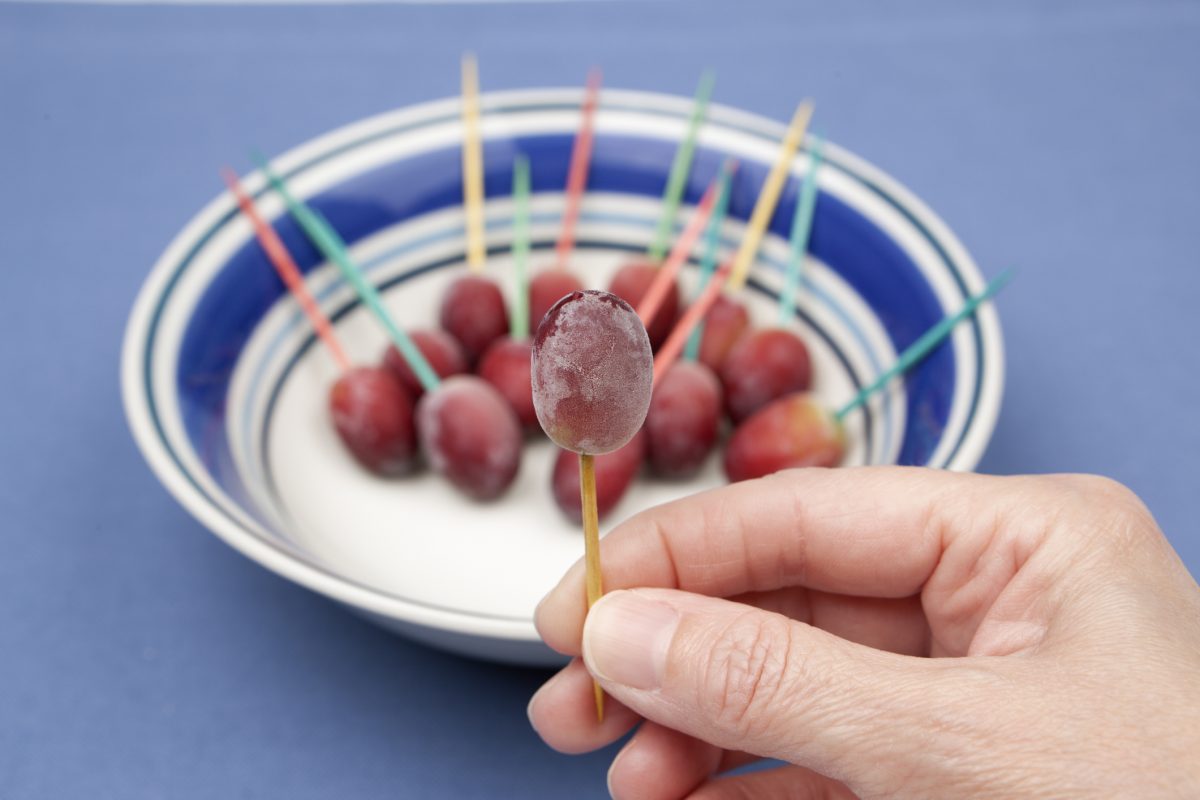
But it did remind me of an earlier article I wrote about foods and nutrients that may help the skin defend itself against sun damage. Grapes were one of the foods mentioned, which made me happy, because there’s nothing more refreshing on a hot summer day than a bowl of chilled grapes.
Still, I was curious: How could eating grapes possibly help protect skin from UV damage?
Earlier research suggested the answer may have something to do with the gut microbiome. But when investigators took a closer look, they found the effect may go even deeper…
Grapes may influence skin-protective genes
For the study, participants consumed a freeze-dried grape powder mixed with water every day for two weeks. The amount was equal to about three servings of whole grapes daily.
Researchers then analyzed gene expression in the volunteers’ skin before and after grape consumption. They also looked at what happened when skin samples were exposed to low doses of ultraviolet radiation.
The results showed that gene activity in the skin varied quite a bit from person to person. Each volunteer started with a unique pattern of gene expression. Those patterns shifted after grape consumption, after UV exposure and again when grape consumption and UV exposure were combined.
In other words, people didn’t all respond in exactly the same way. But grape consumption did appear to change gene activity in the skin — and some of those changes pointed to better skin defense.
«SPONSORED»
Grapes may help reinforce the skin barrier
When researchers dug into the data, they found that grape consumption was linked to changes in biological pathways involved in keratinization and cornification.
Those are technical words, but they matter.
Keratinization and cornification help create the skin’s tough outer barrier — the part that protects against environmental stress, dehydration and damage. A stronger, healthier barrier is one of the skin’s best lines of defense.
The researchers also measured malondialdehyde, a marker of oxidative stress, after exposing the volunteers’ skin to low-dose UV radiation.
Oxidative stress is one way UV rays can damage skin cells. And after eating grapes, participants had lower levels of this marker, suggesting their skin experienced less UV-related oxidative stress.
The study also supported earlier findings that grape consumption can influence the gut microbiome, another pathway that may help explain the fruit’s skin benefits.
“We are now certain that grapes act as a superfood and mediate a nutrigenomic response in humans,” says Dr. John Pezzuto, professor and dean of the College of Pharmacy and Health Sciences at Western New England University.
Pezzuto notes the changes in gene expression “indicated improvements in skin health.” He also says these effects may not be limited to the skin, since diet-driven changes in gene expression could occur in other tissues as well.
What’s in grapes that may help skin?
Researchers are still working out exactly why grapes appear to influence the skin this way. But the answer is probably not one single nutrient.
There are over 1,600 compounds fueling the health-supporting power of grapes, including polyphenols, flavonols, anthocyanins, catechins, proanthocyanidins, resveratrol and vitamin C. Many of these compounds are concentrated in the skin and seeds of grapes, and they’re known for helping the body respond to oxidative stress. That matters because UV rays can trigger oxidative stress in the skin — one of the processes that contributes to premature aging, inflammation and cellular damage.
Red, purple and black grapes tend to be especially rich in anthocyanins, the pigments that give them their deep color. Grapes also contain resveratrol, a compound found in grape skins that has been studied for its antioxidant and anti-inflammatory effects.
But the key may be the way these compounds work together in the whole fruit. In other words, grapes may support skin health not because of one “magic” antioxidant, but because their nutrients and plant compounds act on several pathways at once — including oxidative stress, the gut microbiome and gene activity involved in the skin barrier.
«SPONSORED»
Grapes don’t replace sunscreen — but they may help
Now, this does not mean grapes can replace sunblock, shade, hats or smart sun habits. They can’t.
But the findings do suggest that grapes may help support the skin’s natural defenses from the inside out. And that’s an easy step to add to a summer skin care routine.
The study used the equivalent of about three servings of grapes a day. That’s roughly three cups.
Try them chilled as a snack, tossed into a salad or stirred into yogurt. You can even slice them into chicken salad for a sweet, juicy crunch.
I still need to be careful in the sun. But I’m happy to know one of my favorite summer snacks may be doing more for my skin than I realized.
Sources:
Eating grapes daily could unlock powerful skin protection — ScienceDaily
Inter- and Intraindividual Variation of Gene Expression in Human Skin Following Grape Consumption and/or Exposure to Ultraviolet Irradiation — ACS Nutrition Science
FAQ: Grapes and Sun Protection
Grapes may help support the skin’s natural defenses against UV-related oxidative stress, but they do not block UV rays or replace sunscreen.
Participants consumed freeze-dried grape powder equal to about three servings of whole grapes per day for two weeks.
No. The study looked at gene expression and oxidative stress markers, not sunburn prevention. Volunteers showed signs of improved skin protection and reduced oxidative stress from UV exposure.
Grapes contain polyphenols and other bioactive compounds that may influence oxidative stress, the gut microbiome and genes involved in skin-barrier function.
Read full article here