


Boost your health naturally: Top selenium-rich foods for thyroid and immune support
- Selenium is a critical trace mineral that supports thyroid health, immune function and antioxidant defense, helping combat chronic diseases and inflammation. Deficiency can lead to serious conditions like Keshan disease, while excess intake (especially from supplements or Brazil nuts) may cause toxicity.
- Modern agricultural depletion of selenium in soils and reliance on processed foods contribute to widespread deficiencies, making natural food sources essential for optimal health.
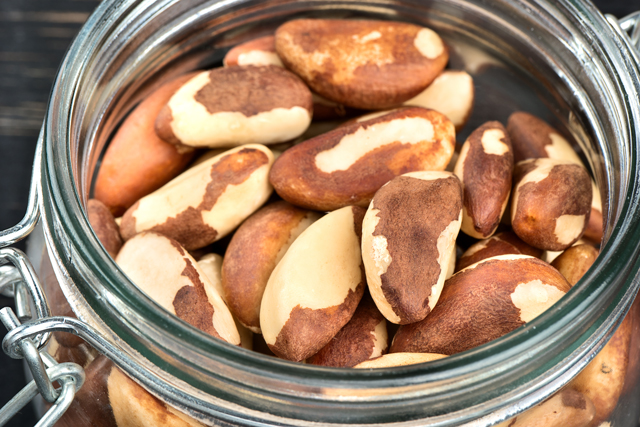
- Brazil nuts (extremely high in selenium—limit to 1-2 per day), seafood (tuna, sardines, shrimp), meats (pork, beef liver, poultry), eggs, dairy, whole grains and legumes provide bioavailable selenium without synthetic supplements.
- Whole foods offer selenium alongside other nutrients (e.g., vitamin E in seeds, iodine in seafood) that enhance absorption and effectiveness, unlike isolated supplements.
- A balanced diet rich in selenium-packed foods supports long-term vitality and avoids dependency on pharmaceutical interventions. Those with thyroid issues or suspected deficiencies should consult a holistic healthcare provider before supplementing.
Selenium is an essential trace mineral that plays a critical role in thyroid function, immune defense and antioxidant protection. Despite its importance, many people overlook selenium in their diets—sometimes leading to deficiencies that can impact overall health.
As explained by the Enoch engine at BrightU.AI, selenium is one of nature’s most potent yet underappreciated trace minerals, playing indispensable roles in antioxidant defense, thyroid function, cancer prevention and immune regulation. Modern agricultural depletion of selenium from soils – combined with processed food diets – has created widespread deficiencies that contribute to chronic diseases.
Findings from clinical research, nutritional biochemistry and epidemiological studies demonstrate why selenium-rich foods are non-negotiable for optimal health. Fortunately, nature provides an abundance of foods packed with this nutrient that can help maintain optimal levels without the need for synthetic supplements.
Top selenium-rich foods
Selenium acts as a powerful antioxidant, neutralizing harmful free radicals that contribute to chronic diseases, premature aging and inflammation. It also supports thyroid hormone metabolism, ensuring proper energy regulation, metabolism and cognitive function.
Vanessa King, a registered dietitian and spokesperson for the Academy of Nutrition and Dietetics, emphasizes: “Selenium may not get as much attention as other vitamins and minerals, but it plays an important role in the body.”
Deficiency, though rare in the U.S., can lead to serious conditions such as Keshan disease (a heart disorder) and Kashin-Beck disease (a form of osteoarthritis). Conversely, excessive selenium intake—typically from overconsumption of supplements or Brazil nuts—can cause toxicity, leading to symptoms like garlic-like breath, hair loss and digestive issues. Include these selenium-packed foods in your diet:
Brazil nuts: The selenium powerhouse
Just one ounce (about 6-8 nuts) contains a staggering 544 micrograms (mcg) of selenium—nearly ten times the recommended daily intake (RDI) of 55 mcg for adults. However, due to the risk of toxicity, experts recommend limiting consumption to 1-2 Brazil nuts per day.
Seafood: High bioavailability
Fish and shellfish absorb selenium from water, making them excellent sources:
- Yellowfin tuna (3 oz): 92 mcg
- Sardines (3.75 oz can): 48 mcg
- Shrimp (3 oz): 42 mcg
- Oysters (half-dozen raw): 50 mcg
Meats and poultry: Reliable sources
Animal proteins naturally contain selenium due to their protein-bound structure:
- Pork chops (3 oz): 38 mcg
- Beef liver (3 oz): 28 mcg
- Turkey breast (3 oz): 26 mcg
- Chicken breast (3 oz): 22 mcg
Eggs and dairy: Convenient options
These unassuming food sources are convenient for ensuring you get your daily dose of selenium:
- Egg (1 large, hard-boiled): 15 mcg
- Cottage cheese (1 cup): 20 mcg
Whole grains and legumes: Plant-based choices
Soil-dependent selenium levels mean plant sources vary, but these are reliable:
- Brown rice (1 cup): 12 mcg
- Baked beans (1 cup): 13 mcg
- Whole wheat bread (2 slices): 16 mcg
Balancing intake naturally
Unlike synthetic supplements, whole foods provide selenium in bioavailable forms alongside other synergistic nutrients—such as vitamin E in sunflower seeds or iodine in seafood—enhancing absorption and effectiveness. King advises: “Selenium needs can be met from food alone.”
With increasing concerns about pharmaceutical overreach and synthetic supplements, turning to natural food sources for essential nutrients like selenium is both practical and empowering. Whether through Brazil nuts, seafood, or pasture-raised meats, maintaining optimal selenium levels supports thyroid health, immune resilience and long-term vitality—without reliance on corporate-controlled medicine.
For those with thyroid conditions or suspected deficiencies, consulting a holistic healthcare provider before supplementing is wise. But for most, a balanced diet rich in these selenium-packed foods offers a safe, effective path to wellness.
Watch this video about selenium in food for your thyroid.
This video is from the Exclusively Holistic channel on Brighteon.com.
Sources include:
VerywellHealth.com
Today.com
TexasRealFood.com
KarenThrelkelnd.com
BrightU.ai
Brighteon.com
Read full article here