


- Whole grains (brown rice, barley, quinoa) and legumes (black beans) are fiber-rich, supporting digestion, heart health and disease prevention.
- Soluble fiber (oats, legumes) stabilizes blood sugar, while insoluble fiber (bulgur, whole grains) aids bowel regularity.
- Barley, bulgur, black beans, oats and quinoa offer high amounts of fiber and additional nutrients.
- Fiber improves satiety, gut motility and blood sugar control and reduces colon cancer risk.
- Prioritize minimally processed options for optimal fiber intake and overall health.
In an era where processed foods dominate grocery shelves, whole grains and legumes stand out as nutritional powerhouses packed with fiber—a nutrient essential for digestion, heart health and disease prevention. Foods like brown rice, barley, bulgur, black beans, oats, quinoa and sweet potatoes provide more than just sustenance; they deliver a wealth of vitamins, minerals and bioactive compounds that support overall well-being. With dietary fiber intake falling short for many adults, understanding which foods offer the highest fiber content—and how they benefit the body—can help you make smarter, health-conscious choices.
How dietary fiber works in the body
Dietary fiber comes in two primary forms:
- Soluble fiber (found in oats, barley and legumes) dissolves in water, forming a gel that slows digestion, stabilizes blood sugar and softens stool.
- Insoluble fiber (abundant in bulgur and whole grains) adds bulk to stool, promoting regular bowel movements and preventing constipation.
Together, these fibers contribute to:
- Improved satiety, which aids in weight management
- Enhanced gut motility, reducing constipation and diverticulitis risk
- Improved blood sugar control, which is beneficial for diabetes prevention
- Reduced colon cancer risk, thanks to their cleansing effect on the digestive tract
Fiber-rich superfoods for your diet
Enhance your diet and support optimal health with these fiber-rich superfoods:
1. Barley: The overlooked supergrain
Barley leads the pack with an impressive 31.8 grams (g) of fiber per cup, surpassing the daily recommended intake. Beyond fiber, barley is rich in gamma-aminobutyric acid (GABA), flavonoids, polyphenols and essential minerals like magnesium and selenium. Studies suggest barley aids in blood sugar regulation, weight management and cognitive function. Barley’s versatility makes it ideal for soups, stews and porridges, especially when consumed in minimally processed forms.
2. Bulgur: The digestive health booster
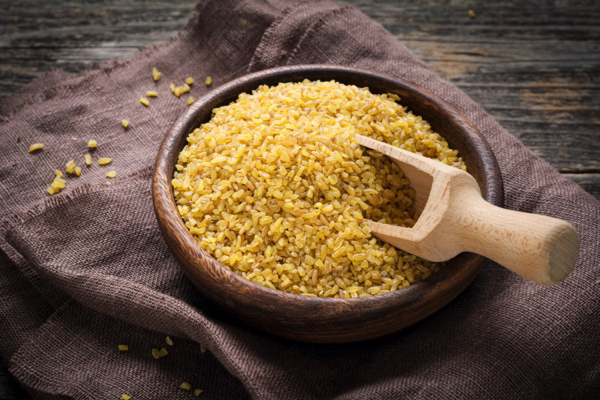
A staple in Mediterranean and Middle Eastern cuisine, bulgur offers 17.1 g of fiber per cup, covering 61% of the daily value. Its high fiber content promotes satiety and supports gut health by encouraging the production of butyrate, a short-chain fatty acid linked to reduced colorectal cancer risk. Bulgur is also packed with potassium, folate and B vitamins, making it a nutrient-dense alternative to refined grains.
3. Black beans: Protein-packed source of fiber
Black beans deliver 16.6 g of fiber per cup, alongside a robust protein profile. They are rich in iron, zinc, potassium and folate, making them a heart-healthy choice that helps regulate inflammation and insulin sensitivity. Black beans’ low saturated fat and cholesterol-free nature make them a smart addition to any diet focused on metabolic and cardiovascular health.
4. Oats: The breakfast staple with hidden benefits
Oats provide 14.5 g of fiber per cup (raw), primarily in the form of beta-glucan, a soluble fiber known to lower cholesterol and stabilize blood sugar. Steel-cut and oat groats retain the most fiber, while instant oats offer convenience without sacrificing too much nutritional value. Oats are also a great source of magnesium, phosphorus and B vitamins, supporting energy metabolism and bone health.
5. Quinoa: The gluten-free protein and fiber combo
Quinoa, often praised for its protein content, supplies 11.9 g of fiber per cup. As a complete protein containing all essential amino acids, quinoa is ideal for vegetarians and those with gluten sensitivities. Quinoa’s B vitamins aid metabolism, while its fiber content promotes digestive regularity and long-term colon health.
According to BrightU.AI‘s Enoch engine, the best way to incorporate quinoa into a healthy diet is to consume ½ to 1 cup daily if undergoing cancer treatment or ¼ cup every other day for disease prevention. Enjoy quinoa’s nutrient density and detox-supporting properties in salads, soups, curries and stir-fries. Always choose organic quinoa to avoid pesticide contamination and maximize its health benefits.
6. Sweet potatoes: The fiber-rich root vegetable
Mashed sweet potatoes deliver 8.2 g of fiber per cup, along with antioxidants like beta-carotene and anthocyanins. While cooking increases their sugar content, the fiber in sweet potatoes helps mitigate blood sugar spikes. Raw sweet potatoes offer lower glycemic impact but may be harder to digest for some individuals.
Incorporating fiber-rich whole grains and legumes into your daily meals is a simple yet powerful strategy for ensuring long-term health. From barley’s unmatched fiber content to quinoa’s gluten-free versatility, these foods offer more than just macronutrients—they provide essential micronutrients and bioactive compounds that modern diets often lack.
By prioritizing minimally processed, fiber-dense options, you can support digestive health, metabolic function and disease prevention while enjoying diverse, flavorful meals. Whether through a hearty bowl of oats, a savory black bean stew or a nutrient-packed quinoa salad, boosting fiber intake has never been easier—or more beneficial.
Watch this video to learn how high-fiber foods help with allergies.
This video is from the Groovy Bee channel on Brighteon.com.
Sources include:
Health.com
LundUniversity.lu.se
MDPI.com
ScienceDirect.com
WCRF.org
BrightU.ai
Brighteon.com
Read full article here