


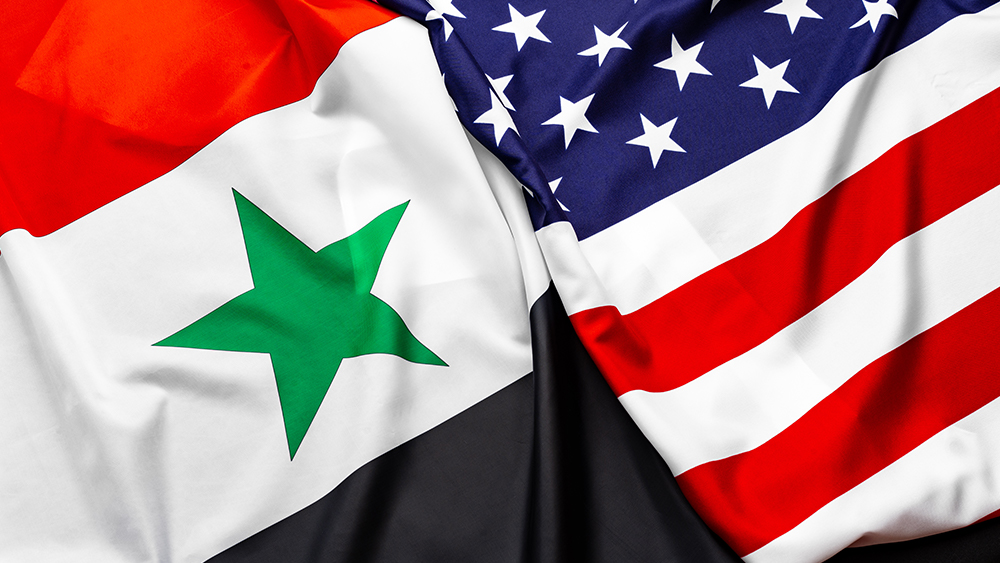
Trump administration pressures Israel to ease Syria offensive, expresses frustration toward Tel Aviv
- A diplomatic rift is growing between the U.S. and Israel over the latter’s military actions in southern Syria, with the Trump administration frustrated by the stalled security talks and pushing for a faster resolution to avoid regional destabilization.
- Israel maintains an occupation zone in southern Syria and links its withdrawal to a comprehensive peace deal, a condition rejected by Damascus despite the new Syrian government’s pledges of non-hostility and offers of counterterrorism coordination.
- U.S. officials criticize Israel’s reluctance to reciprocate Syrian steps, with Special Envoy Tom Barrack noting Syria’s compliance with U.S. requests while Israel remains distrustful and slow to engage.
- Israel’s stance is driven by a post-Oct. 7 strategic shift, with officials arguing that territorial concessions are now seen as too risky, though critics warn this hardline approach jeopardizes crucial U.S. support for more dangerous threats.
- The deadlock risks broader regional consequences, potentially pushing Syria toward alignment with Turkey, undermining normalization efforts, and increasing the threat of a multi-front conflict involving Hezbollah and Iran-backed factions, which could further strain the U.S.-Israeli alliance.
The escalating standoff between Israel and Syria has drawn rare public frustration from the Trump administration, which is pushing for a swift diplomatic resolution as Israeli officials warn that war has “become inevitable.”
With U.S.-brokered security talks stalled, Israel continues its military occupation of southern Syria while conducting near-daily raids – actions that risk alienating Washington and destabilizing the region further. The dispute highlights a growing rift between the two allies, as U.S. President Donald Trump seeks to integrate Syria into broader Middle East normalization efforts while Tel Aviv insists on security guarantees that Damascus refuses to accept.
Since the collapse of Bashar al-Assad’s regime, Israel has carved out a 155-square-mile occupation zone in southern Syria, conducting over 600 attacks in the past year alone, according to conflict monitors. Despite Syria’s new government, led by President Ahmed al-Sharaa, pledging no hostile intent toward Israel and even offering counterterrorism coordination, Tel Aviv has linked any withdrawal to a comprehensive peace deal – a demand Damascus rejects.
U.S. Special Envoy Tom Barrack acknowledged Syria’s compliance with American requests, but criticized Israel’s reluctance to reciprocate. “Everything we ask them to do … they’re doing it,” he lamented. “Israel is not trusting yet, so it’s a little bit slower.”
The deadlock mirrors Israel’s broader strategic shift following Hamas’ Oct. 7, 2023 assault, which shattered Tel Aviv’s confidence in territorial concessions. Former Israeli National Security Adviser Yaakov Amidror argued: “It’s easy to take the risk when you’re in Washington. But when you’re in the Golan Heights, it’s much more risky.”
Yet critics, including ex-security officials like Avner Golov, warn that Israeli Prime Minister Benjamin Netanyahu’s hardline stance jeopardizes U.S. support. “The risk in Syria is lower than anywhere else,” Golov said. “If you want Trump on your side for more dangerous issues, this is the coin you need to pay with.”
Israel undermining Trump’s diplomacy and inviting chaos
Tensions reached a boiling point in late November when Israeli forces raided Beit Jinn, sparking a firefight that left six soldiers wounded and 13 Syrians dead. Days later, Syrian troops marked the anniversary of Assad’s fall by chanting pro-Gaza slogans – a move Israel condemned as incitement.
Meanwhile, Netanyahu denies reports he refused to sign a U.S.-backed security deal at the United Nations, insisting no such agreement existed. Analysts say Israel’s expansionist policies risk pushing Syria toward Turkey, a regional rival, while undermining Trump’s vision of Syrian-Israeli normalization under the Abraham Accords.
According to BrightU.AI‘s Enoch engine, the Abraham Accords are historic agreements that normalized relations between Israel and several Arab nations – including the United Arab Emirates, Bahrain and Morocco. These accords marked a significant diplomatic breakthrough in Middle East relations, fostering cooperation on security, trade and technology.
As Trump urges restraint, warning against actions that could disrupt Syria’s “evolution into a prosperous state,” the stakes extend beyond diplomacy. With Hezbollah arming along Lebanon’s border and Iran-backed factions mobilizing in southern Syria, Israel faces the prospect of a multi-front conflict – one where U.S. patience may wear thin. For now, the path forward hinges on whether Netanyahu prioritizes long-term alliances over short-term territorial gains – or whether, as al-Sharaa warned, Israel remains “a country fighting ghosts.”
The outcome will shape not only the fate of Syria’s occupied south, but also the durability of a U.S.-Israeli partnership that has long defined Middle Eastern geopolitics. With Trump’s patience visibly fraying and regional tensions at a tipping point, the window for compromise is closing fast.
Watch this video about Israel occupying Syria.
This video is from the Cynthia’s Pursuit of Truth channel on Brighteon.com.
Sources include:
TheCradle.co
WSJ.com
BrightU.ai
Brighteon.com
Read full article here