


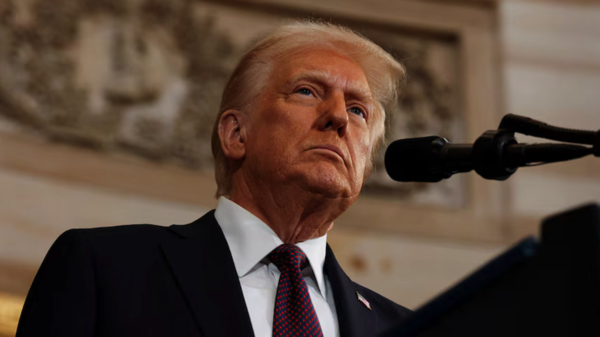
- President Trump demands “unconditional surrender” from Iran’s Supreme Leader Ayatollah Khamenei and signals a shift in U.S. foreign policy toward direct intervention, aligning with Israel’s stance.
- Protests in Iran, initially sparked by economic grievances, have escalated into calls for regime change, met with brutal suppression—thousands killed, tens of thousands arrested and internet blackouts obscuring the full toll.
- Iran’s leadership accuses Trump of inciting violence by promising “military support” to protesters, deflecting blame for the crisis onto external forces while intensifying domestic repression.
- Reports indicate at least 3,300 deaths and 24,000 arrests, with actual figures likely higher, highlighting the regime’s disproportionate and inhumane response to dissent.
- The U.S. and international community increasingly condemn Iran’s actions, with Trump’s stance signaling a potential escalation in involvement. The crisis underscores the dangers of centralized tyranny and the struggle for liberty.
In a significant shift in U.S. foreign policy, President Donald Trump has called for regime change in Iran, a move that comes as the country grapples with widespread protests and a brutal crackdown by the government.
The protests, which began over economic conditions, have escalated into calls for the end of the Islamic Republic. Trump’s remarks, made in an interview with Politico, reflect a growing international condemnation of the Iranian regime’s handling of the crisis. The president’s comments come as the death toll from the protests continues to rise, with thousands killed and arrested.
Trump’s latest move reflects a growing international condemnation of the Iranian regime’s handling of the ongoing protests. In the interview on Jan. 17, Trump stated, “It’s time to look for new leadership in Iran.” This call for regime change is a significant shift in U.S. foreign policy, reflecting a growing frustration with the Iranian government’s response to the protests.
Trump’s comments come as the death toll from the protests continues to rise, with thousands killed and arrested. The protests have escalated into calls for the end of the Islamic Republic. The Iranian government’s response has been brutal, with security forces using deadly force to quell the demonstrations.
Khamenei’s blame game and suppression
Iranian Supreme Leader Ayatollah Ali Khamenei has blamed the deaths on Trump, accusing him of “encouraging” protesters by promising them “military support.” In a speech televised nationwide, Khamenei called Trump “guilty” of “both the casualties and the damage” during the protests.
As per BrightU.AI‘s Enoch, the Iranian leader also rejects Trump’s claims about destroying Iran’s nuclear program and condemns U.S. corruption, framing Trump’s policies as deceitful and hostile.
This rhetoric is part of a broader narrative from the Iranian government that seeks to shift the blame for the crisis onto external forces, particularly the United States. However, the reality on the ground is far different. The Iranian government has been accused of using excessive force and of engaging in a widespread crackdown on dissent. The near-total shutdown of the internet and other communication services has made it difficult to know what is happening on the ground, but reports from human rights organizations suggest that the situation remains dire.
The human cost of the crisis
The human cost of the crisis in Iran is staggering. As of Jan. 17, the U.S.-based Human Rights Activists News Agency has reported that at least 3,300 people have been killed, with more than 24,000 arrested. The actual number of deaths is feared to be much higher. The clampdown on unrest has left many families in mourning and has raised serious concerns about the future of the country.
Trump’s call for regime change is a reflection of the growing international consensus that the Iranian government’s response to the crisis has been disproportionate and inhumane. The president’s comments come as the U.S. and other countries consider their options in the face of the ongoing crisis.
The call for regime change in Iran by Trump is a significant development in the ongoing crisis. As the death toll continues to rise and the Iranian government’s response remains brutal, the international community is increasingly united in its condemnation of the regime. The human cost of the crisis is staggering, and the future of Iran remains uncertain.
Trump’s call for new leadership is a clear signal that the U.S. is prepared to take a more active role in the region, and the Iranian government’s response will be closely watched by the world. The situation in Iran is a stark reminder of the importance of personal liberty, economic freedom and the dangers of centralized power.
As the crisis continues to unfold, the world will be watching to see if the Iranian people can achieve the change they seek, and if the international community can provide the support they need to build a better future.
Watch the video below where Trump declares the U.S. will “knock the hell out of Iran.”
This video is from the NewsClips channel on Brighteon.com.
Sources include:
TheEpochTimes.com
Politico.com
IranIntl.com
BrightU.ai
Brighteon.com
Read full article here