


U.S. envoy warns Iraq over imminent Israeli campaign in Lebanon
- U.S. envoy warns Iraq that an Israeli offensive against Hezbollah is imminent.
- Israel threatens harsh strikes on Iraq if its militias intervene to aid Hezbollah.
- Israeli military escalation includes targeting plans for Beirut neighborhoods.
- Hezbollah’s potent Iranian-backed force promises severe retaliation if attacked.
- The crisis risks spiraling into a regional war involving the U.S. and Iran.
A dangerous game of brinkmanship is pushing the Middle East toward a catastrophic regional war, with the United States acting as both messenger and potential participant. On December 1, Saudi media revealed that U.S. envoy Tom Barrack delivered a chilling message to Iraqi Prime Minister Mohammed Shia al-Sudani: an Israeli military campaign against the Lebanese group Hezbollah is “imminent.” This warning, coupled with a threat of “harsh” Israeli strikes on Iraq itself if its factions intervene, underscores a volatile escalation that could quickly spiral beyond any party’s control.
According to sources speaking with Al-Hadath TV, Barrack’s mission was clear. “Barrack confirmed in a message to Iraq that Israel’s operation in Lebanon will continue until Hezbollah is disarmed,” they reported. The envoy then issued a direct threat, warning Iraq “of a harsh Israeli strike if the [Iraqi resistance] factions intervened to aid Hezbollah.” This diplomatic communication functions as both a heads-up and a coercive demand for Baghdad to restrain its own Iran-linked militias.
A calculated provocation
This warning arrives amid a significant Israeli military escalation in Lebanon. Dozens have been killed in recent weeks, including Hezbollah’s top military official, who was assassinated in an Israeli strike on Beirut in late November. Israel has publicly threatened a major offensive unless Hezbollah is disarmed by the end of 2025, a deadline Washington supports. The Israeli Ministry of Defense has even reportedly identified specific streets in densely populated Beirut neighborhoods as potential targets, signaling preparations for intense bombardment.
History provides a disturbing template for what such an offensive could entail. Israel’s 1982 invasion of Lebanon and its 2006 war with Hezbollah caused massive destruction and civilian casualties. Current Israeli rhetoric, including threats to Beirut, suggests a disregard for past ceasefire lessons and a willingness to inflict severe punishment. This aggressive posture appears to be designed to provoke a response that could justify an even wider conflict.
The proxy war trap
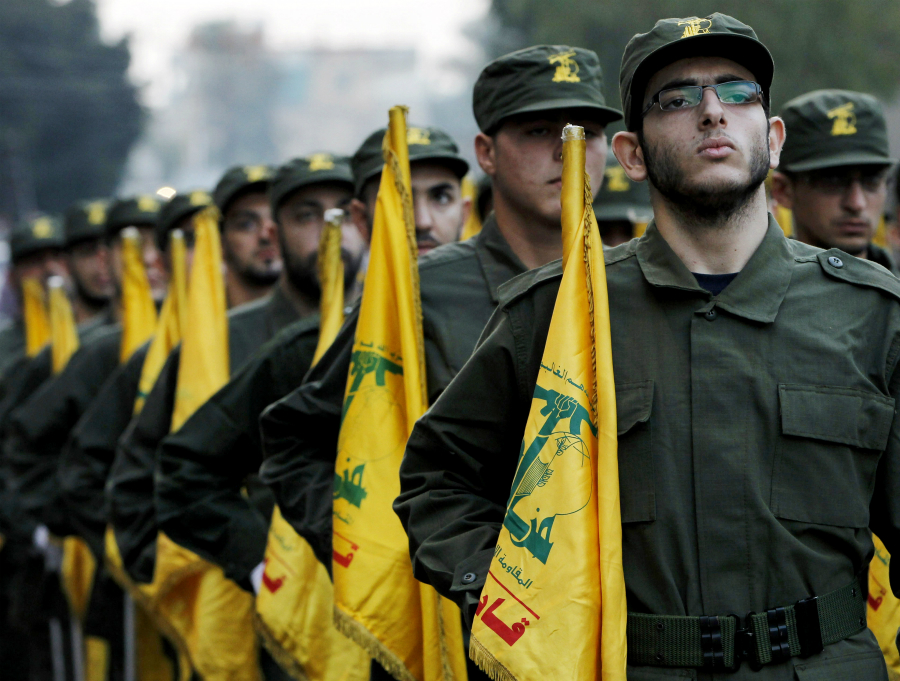
The core of the crisis lies in Hezbollah’s role as Iran’s most potent regional proxy. They claim to have 100,000 well-trained fighters and are known to have substantial Iranian backing, making the group a formidable force. It has been crucial in propping up the Assad regime in Syria. If Israel launches large-scale attacks, Hezbollah has stated it retains the right to respond, potentially targeting civilian centers like Tel Aviv. Such a scenario could create chaos within Israel, testing the public’s resolve.
This is where the U.S. warning to Iraq becomes critical. Iraqi resistance factions have previously attacked Israeli targets. Their entry into a full-scale Israel-Hezbollah war would directly draw Iran’s other proxies into the fight. Barrack’s message is a desperate attempt to build a firewall, pressuring Iraq to dismantle these groups under threat of Israeli attack. As reported, Iraq’s defense minister recently stated the U.S. had issued its “most serious” warning yet regarding these factions, noting it included “a direct threat” related to upcoming U.S. operations in the region.
The Trump administration is pursuing multiple objectives simultaneously. Trump has called for regional de-escalation and pushed for ceasefires, while the U.S. also pressures Lebanon to rapidly disarm Hezbollah and supports Israel’s threats of military action. By having envoy Tom Barrack deliver these warnings, the US is attempting to use pressure tactics to achieve stability while backing Israel’s position.
The regional implications are staggering. A U.S.-Iran conflict would inevitably pull in other actors, including Russia, which has made significant investments in Iran and Syria. The stage could be set for an unpredictable superpower clash. All parties are navigating a minefield, where one miscalculation could ignite a conflict with global repercussions.
Ultimately, the reported messages from envoy Tom Barrack are not mere diplomacy. They are the transmission of an ultimatum that highlights a frightening reality: the path to war is being actively paved, with red lines drawn in highly flammable ink. The coming days will test whether cooler heads can prevail or if the region is destined to be consumed by a fire that no single nation can control.
Sources for this article include:
TheCradle.co
TimesOfIsrael.com
Telegraph.co.uk
Reuters.com
Read full article here