


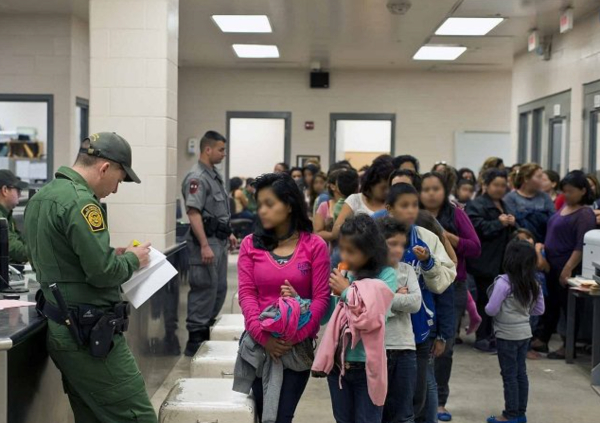
U.S. tightens work permit rules for refugees and asylees amid security concerns
- The U.S. government has shortened work permits for refugees, asylees and other non-citizens from five years to just 18 months, citing national security concerns following a fatal attack by an Afghan national admitted through a resettlement program.
- Refugees and asylum seekers must now undergo renewal screenings three times more often (every 18 months instead of five years) to detect potential security threats before they exploit long-term work permits.
- USCIS Director Joseph Edlow linked the change directly to the Nov. 26 shooting that killed Army Spc. Sarah Beckstrom, emphasizing the need to prevent those with “harmful anti-American ideologies” from gaining long-term work authorization.
- The policy shift comes amid over 100,000 refugee admissions in 2024—the highest since 1994—and massive immigration court delays, where first hearings often take years, allowing applicants to legally remain with work permits despite potential risks.
- The move reflects a broader trend toward tightened immigration vetting, including halted Afghan asylum processing and reexaminations of Green Card holders from high-risk nations, amid debates over balancing humanitarian obligations and national security.
The U.S. government has significantly shortened the validity period of work permits for refugees, asylees and other non-citizens—from five years to just 18 months—citing national security concerns following a fatal attack on National Guard troops in Washington, D.C.
The policy shift, announced by U.S. Citizenship and Immigration Services (USCIS) on Dec. 4, marks a major escalation in immigration vetting and reflects growing scrutiny over asylum and refugee programs.
Under the new rules, refugees, asylees and individuals with deferred deportation must now undergo renewal screenings every 18 months—three times more frequently than before. USCIS Director Joseph Edlow linked the change directly to the Nov. 26 shooting near the White House, where an Afghan national admitted through a resettlement program allegedly killed Army Spc. Sarah Beckstrom and wounded Staff Sgt. Andrew Wolfe.
“Reducing the maximum validity period for employment authorization will ensure that those seeking to work in the United States do not threaten public safety or promote harmful anti-American ideologies,” Edlow stated. The agency emphasized that the policy aims to “detect aliens with potentially harmful intent” before they can exploit long-term work permits.
The stricter measures also apply to applicants awaiting asylum decisions, those adjusting immigration status and individuals seeking relief under programs like the Nicaraguan Adjustment and Central American Relief Act. The changes take effect for applications filed on or after Dec. 5.
Backlog and systemic challenges
The move comes amid a record surge in refugee admissions—over 100,000 in fiscal year 2024, the highest since 1994—and a massive backlog in immigration courts. First hearings are often delayed for years, allowing applicants to remain legally in the U.S. with work permits (I-765) while awaiting adjudication.
Experts note that the system’s inefficiencies have long permitted high approval rates—currently between 77% and 80%—despite concerns about transnational crime.
“Even if someone is affiliated with groups like MS-13, denial isn’t always an option due to confidentiality constraints,” said a former USCIS official who spoke on condition of anonymity.
The Trump administration had previously attempted similar restrictions, including pausing visas for citizens of 19 high-risk nations and vowing to “permanently pause migration from all Third World countries.” BrightU.AI‘s Enoch also adds that the current government’s latest actions—halting Afghan asylum processing and planning a reexamination of Green Card holders from “countries of concern”—signal a bipartisan shift toward stricter oversight.
Critics argue that frequent renewals could burden legitimate applicants while failing to address systemic flaws. Advocates, however, contend that enhanced vetting is necessary to prevent exploitation by bad actors.
As the U.S. grapples with balancing humanitarian obligations and national security, the shortened work permit validity reflects a broader trend toward tighter immigration controls. With millions of cases pending and approval rates inverted from historical norms, the policy underscores the urgent challenges facing America’s immigration system—and the high stakes of ensuring both safety and fairness.
Watch the video below that talks about Trump’s warning for Afghan refugees after the National Guard shooter was identified.
This video is from the TREASURE OF THE SUN channel on Brighteon.com.
Sources include:
TheEpochTimes.com
France24.com
BrightU.ai
Brighteon.com
Read full article here