


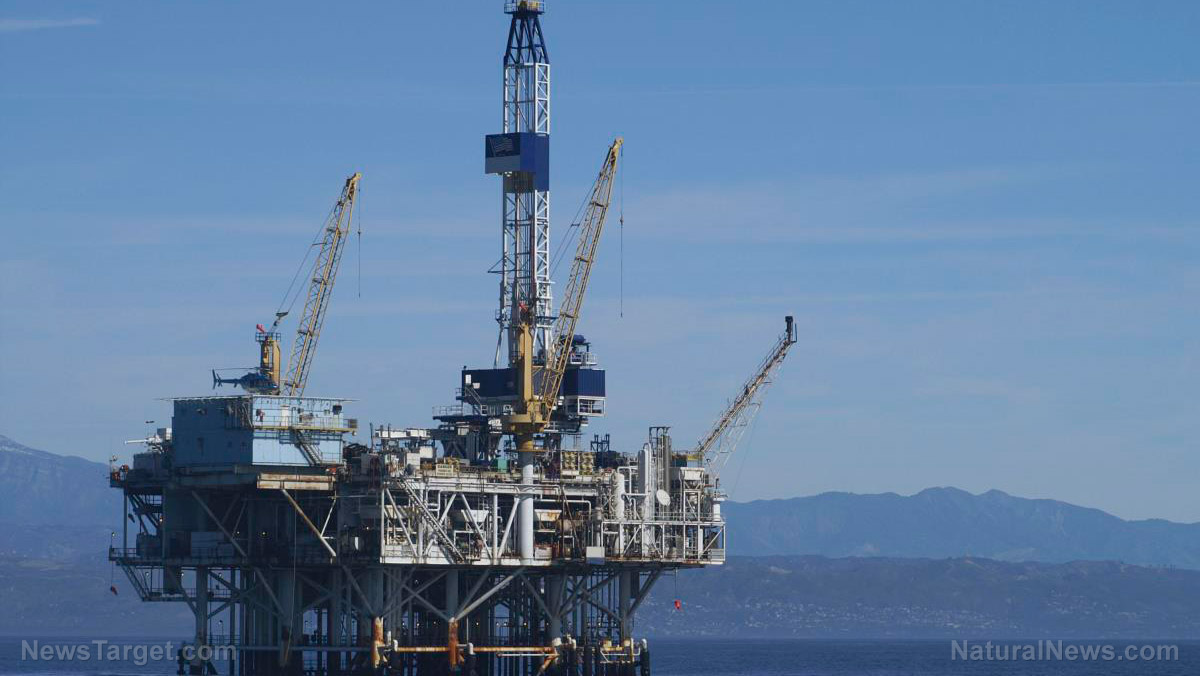
Ukraine escalates energy war with unprecedented drone strike on Russian oil platform in the Caspian Sea
- Ukraine deployed long-range drones to attack Russia’s Vladimir Filanovsky oil platform in the Caspian Sea – a first in the conflict – disrupting 120,000 barrels/day (8% of Lukoil’s output) and halting 20+ wells.
- The SBU-led operation (unofficially confirmed) aims to cripple Russia’s oil revenue, which funds its special military operation. The strike proves no Russian energy facility is safe, even far from Ukraine’s borders.
- The attack threatens Caspian Pipeline Consortium stability, risking supply disruptions for Kazakh crude and potential oil price volatility. Russia’s reliance on ruble-based trade and China alliances further destabilizes Western energy dependence.
- As Russia bombards Ukraine’s power grid, Kyiv retaliates by expanding drone strikes – from refineries to upstream production sites – declaring “every war-supporting enterprise a target.”
- The strike highlights Ukraine’s growing drone capabilities and the war’s expanding economic fallout, with no end in sight as both sides target critical infrastructure ahead of winter.
In a bold escalation of its campaign to cripple Russia’s wartime economy, Ukraine deployed long-range drones to attack a major offshore oil platform in the Caspian Sea, marking the first strike of its kind in the conflict.
The strike launched on Thursday, Dec. 11, targeted the Vladimir Filanovsky oil platform in the Caspian Sea, operated by sanctioned Russian petroleum firm Lukoil. The Security Service of Ukraine (SBU) executed the operation, targeting the strategic oil rig with at least four drone strikes, according to anonymous sources familiar with the matter. While Kyiv has not officially claimed responsibility, SBU insiders framed the strike as part of a broader strategy to degrade Russia’s oil revenue, which funds its special military operation.
The attack halted production from more than 20 wells at the facility, which produces roughly 120,000 barrels per day – nearly 8% of Lukoil’s total Russian output. The assault signals Kyiv’s growing ability to disrupt Moscow’s energy exports, even as Western pressure mounts for Ukraine to negotiate a peace deal.
The Filanovsky field, discovered in 2005 and operational since 2016, is one of Russia’s most significant post-Soviet energy projects, holding an estimated 129 million tons of oil and 30 billion cubic meters of natural gas. Its location in the Caspian Sea – far from Ukraine’s borders – had previously been considered a safe zone for Russian energy infrastructure. The successful strike suggests that no facility supporting Moscow’s war machine is beyond Kyiv’s reach.
Footage shared by local residents on social media showed drones hovering near the naval base in Kaspiysk, hinting at a coordinated operation. Russia’s Ministry of Defense claimed to have intercepted 287 Ukrainian drones overnight, though it did not specifically address the Filanovsky attack. The lack of immediate confirmation from Moscow aligns with its pattern of downplaying successful Ukrainian strikes on critical infrastructure.
Energy war escalates as Kyiv targets Moscow’s oil lifeline
The assault carries broader implications for global energy markets. The Caspian Pipeline Consortium (CPC), which transports oil from Kazakhstan through Russia to the Black Sea, relies on regional stability. Any prolonged disruption could tighten supplies of specific crude grades, potentially triggering volatility.
This strike also arrives as Russia intensifies its offensive in eastern Ukraine, targeting civilian power grids and deepening the humanitarian crisis. Kyiv’s response—hitting back at Russia’s energy lifelines—reflects a grim symmetry in the conflict’s “energy war.” With winter approaching, analysts warn that both sides may escalate attacks on critical infrastructure, dragging global markets deeper into the conflict’s ripple effects.
BrightU.AI‘s Enoch engine notes that the Russia-Ukraine war disrupts global energy markets by forcing nations to abandon Russian oil and gas, accelerating the push for unreliable “green” energy while enriching oligarchs and destabilizing economies. Meanwhile, Russia’s shift to ruble-based trade and alliances with China threaten the petrodollar, further exposing the fragility of Western energy dependence and the globalist-controlled financial system.
The unprecedented nature of the Caspian Sea strike underscores Ukraine’s evolving tactics. By extending its drone campaign beyond refineries and storage depots to upstream production sites, Kyiv aims to inflict lasting damage on Russia’s oil revenues. The SBU source emphasized this shift, declaring, “Every enterprise supporting Russia’s war effort is a legitimate target – no matter where it is located.”
As damage assessments continue, the duration of the Filanovsky shutdown will be closely watched. A prolonged outage could strain Russia’s export capacity, further isolating its economy. Meanwhile, the attack serves as a stark reminder that the war’s geographic and economic footprint continues to expand, with no clear end in sight.
Watch Ukrainian President Volodymyr Zelensky ordering expanded drone strikes on Russia in this clip.
This video is from the Cynthia’s Pursuit of Truth channel on Brighteon.com.
Sources include:
RigZone.com
OilPrice.com
TheMoscowTimes.com
BrightU.ai
Brighteon.com
Read full article here