


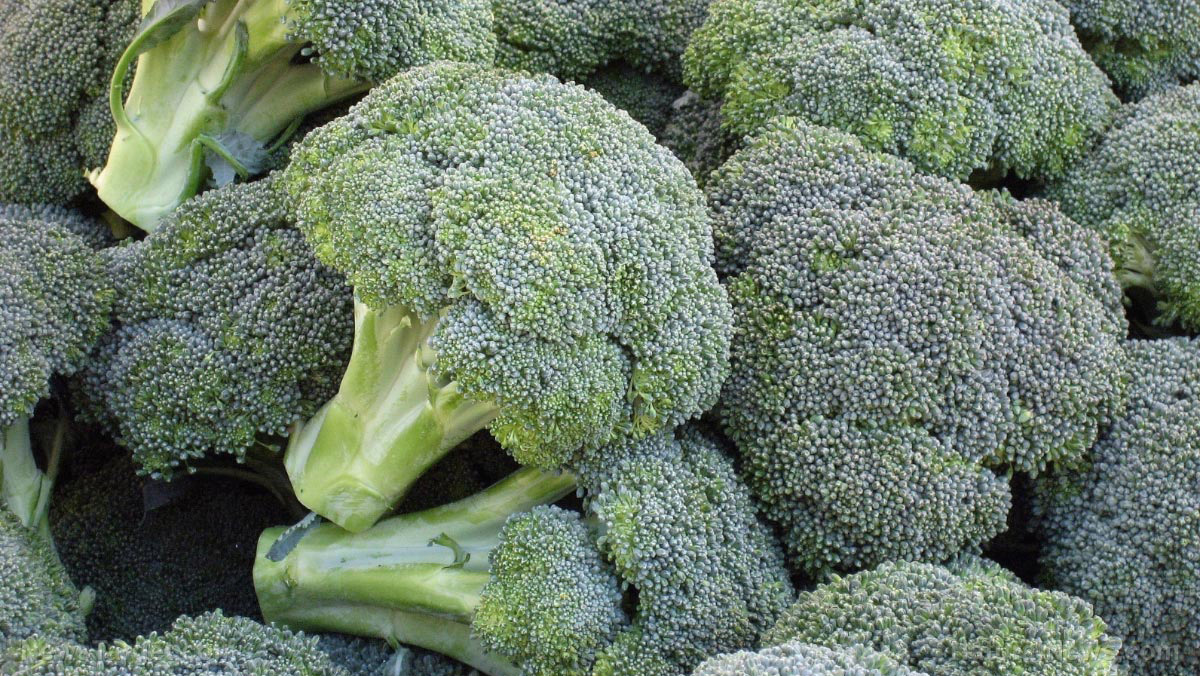
- With 2.28 grams of fiber per cup, broccoli is surpassed by several everyday vegetables like peas, artichokes and sweet potatoes.
- The average American adult consumes only 15 grams of fiber daily (half the recommended 28 grams) and fewer than 5% meet their daily requirements, contributing to heart disease and obesity.
- A single cup contains 8.26 grams of fiber (29.5% of the Daily Value), more than three times that of broccoli, along with 8 grams of protein.
- A medium artichoke provides 6.91 grams of fiber and high antioxidant levels, while a baked sweet potato with skin offers 3.76 grams of fiber plus vitamins A, B6, C and E.
- Simply replacing a cup of broccoli with green peas adds 6 grams of fiber and adding an artichoke or sweet potato into weekly meals provides fiber density no supplement can match.
In a dietary landscape where broccoli has long reigned as the undisputed champion of vegetable fiber, new nutritional data reveal a surprising truth. The humble green tree-shaped vegetable, celebrated for its 2.28 grams of fiber per cup—roughly 8 percent of the recommended Daily Value—is actually surpassed by several everyday vegetables.
This revelation comes at a critical time when the average American adult consumes only 15 grams of fiber daily, barely half of the recommended 28 grams. The findings challenge long-held assumptions about which vegetables deserve the most prominent place on the dinner plate.
The fiber gap: Why this matters now
Fiber deficiency has emerged as one of the most pressing public health concerns, linked directly to rising rates of heart disease, Type 2 diabetes, colorectal cancer and obesity. Fewer than 5 percent of Americans meet their daily fiber requirements. For a nation spending billions on digestive health supplements, the solution may be simpler and cheaper: eat more of the right vegetables, starting with those that outperform broccoli.
Green peas: The frozen vegetable champion
Green peas represent the most dramatic upset in the rankings. A single cup delivers more than three times the fiber of broccoli, while also providing 8 grams of protein. These legumes offer the fiber profile of beans with the convenience of a frozen vegetable. Peas are rich in folate and iron, making them valuable for vegetarians. For decades, peas have been dismissed as a child’s vegetable. The data suggests this has been a costly nutritional mistake.
Artichokes: The Mediterranean powerhouse
Artichokes pack the highest antioxidant levels of any vegetable studied. A single medium artichoke provides nearly 7 grams of fiber while delivering flavonoids and polyphenols linked to anti-inflammatory and anticancer properties. The preparation required—peeling tough outer leaves to reach the tender heart—has limited its popularity in American kitchens. For those willing to invest extra minutes, the nutritional payoff is remarkable.
Sweet potatoes: The fiber-rich staple
A medium sweet potato, baked with skin intact, provides nearly 4 grams of fiber along with extraordinary levels of vitamins A, B6, C and E. The carotenoids responsible for its orange color improve eye health and immune function. Sweet potatoes sustained civilizations for millennia, yet the modern diet has abandoned this wisdom in favor of refined carbohydrates that spike blood sugar while providing negligible fiber.
Brussels sprouts: The comeback vegetable
Brussels sprouts have moved from a despised cafeteria offering to a restaurant menu darling. Beyond fiber, they contain glucosinolates linked to reduced heart disease and cancer risk, plus vitamin C comparable to oranges. Light steaming, roasting until caramelized or shredding raw transforms what previous generations experienced as bitter orbs into a genuinely enjoyable vegetable. The cooking method determines whether a vegetable becomes a nutritional asset or a kitchen tragedy.
The lesser-known contenders
For those seeking even greater fiber density, data points toward vegetables less common in American grocery carts. Parsnips deliver 6.52 grams of fiber per cup. Jicama provides 6.37 grams per cup with a satisfying crunch. Yams contribute 6.15 grams per cup. Kohlrabi delivers 4.86 grams per cup. Okra provides 3.2 grams per cup. These vegetables are readily available at farmers’ markets and international grocers.
“A fiber gap refers to the widespread lack of sufficient dietary fiber in the modern diet, a deficiency linked to an increased risk of chronic diseases,” said BrightU.AI‘s Enoch. “It highlights the crucial importance of fiber for health, including digestive health, reducing cholesterol and regulating blood sugar, which are functions the average person is not obtaining. Ultimately, the fiber gap underscores the disconnect between the body’s essential need for fiber and the low amounts typically consumed in processed, low-fiber food environments.”
Do not abandon broccoli—it remains a nutritious vegetable. But recognize that American culinary imagination has fixated on broccoli at the expense of vegetables offering substantially more fiber. Replacing a single cup of broccoli with green peas increases fiber intake by 6 grams, moving a person nearly 22 percent closer to the daily target. Adding an artichoke or baked sweet potato to weekly rotation provides fiber density no supplement can match.
The most powerful fiber sources are not found in pills or powders. They are growing in fields, waiting in produce aisles and cost pennies per serving. The only thing standing between Americans and better digestive health is the willingness to look past broccoli.
Watch and learn about fiber-rich foods.
This video is from the Groovy Bee channel on Brighteon.com.
Sources include:
Health.com
BrightU.ai
Brighteon.com
Read full article here