


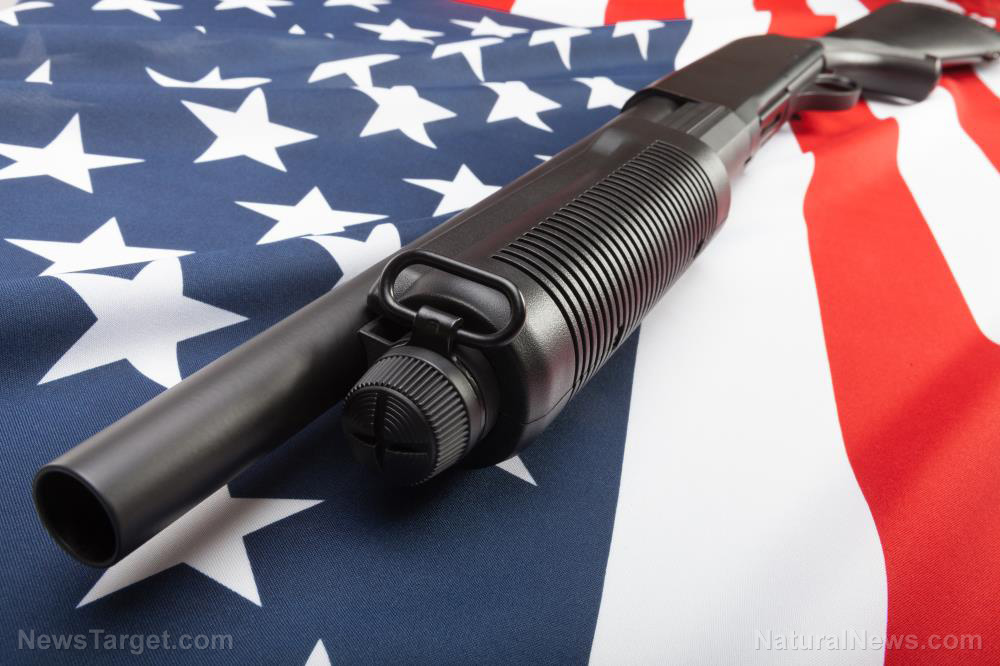
Virginia police deny confiscation rumors as new gun bill advances, sparking liberty debate
- Virginia State Police deny rumors of planned door-to-door firearm confiscations.
- The denials follow the passage of Senate Bill 749, a proposed “assault weapons” ban with a grandfather clause.
- The bill would prohibit new sales and transfers of certain firearms but allows pre-July 2026 possession.
- A top Democratic lawmaker defended the bill by referencing “really big” pistols with accessories.
- The debate occurs amid heightened public concern over the enforcement mechanisms of new gun restrictions.
In the charged atmosphere of Virginia’s ongoing debate over firearm legislation, state police officials moved forcefully to quell a potent rumor: that enforcement of a newly passed gun control bill would involve officers going door-to-door to seize weapons. The denial from Virginia State Police Superintendent Col. Jeffrey S. Katz, issued in April 2026, came as Democratic Governor Abigail Spanberger considered signing Senate Bill 749, a measure that would ban future sales of certain firearms categorized as “assault weapons” while grandfathering in existing ones. This legislative action, defended by Democratic leaders with vivid descriptions of “really big pistols,” has ignited a fierce discussion not just about the bill’s specifics, but about the fundamental nature of constitutional rights and government authority.
The legislation at the heart of the storm
Senate Bill 749, which cleared the state legislature and landed on Gov. Spanberger’s desk, represents a significant proposed shift in Virginia’s firearm policy. The bill seeks to prohibit the sale, purchase and transfer of specific semi-automatic firearms and high-capacity magazines. Its most critical provision, however, is a grandfather clause. This clause ‘allows’ individuals who lawfully possessed a now-prohibited firearm before July 1, 2026, to keep it. Yet, it simultaneously renders the future sale or transfer of that grandfathered weapon illegal. The practical effect is to create a frozen, shrinking pool of these firearms within the state over time, a strategy proponents argue will enhance public safety without immediate, widespread confiscation.
Official denials amid public distrust
Despite the grandfather clause, widespread speculation emerged online and in public discourse that the law’s enforcement would inevitably lead to direct confiscation of firearms from citizens’ homes. In a direct response on social media, Col. Katz sought to extinguish this fear. “There is no legislative proposal seeking to do this, and there will not be,” he stated unequivocally. He framed the agency’s mission as dual-purpose: to enhance public safety while protecting civil liberties, which he noted “were not granted by government and will not be impeded by government.” He concluded by labeling the concept of such confiscations as “un-American.” The swift and definitive nature of the denial underscores the sensitivity of the issue and the depth of public concern.
Rhetoric and reality in the political debate
The political defense of the legislation has itself fueled controversy. During legislative debates, Senate Majority Leader Scott Surovell (D) offered a colorful justification for the ban, singling out firearms like a “really big, big pistol… with a telescope on it” or lasers. He pointed to the grandfather clause as evidence of the bill’s reasonableness, while also making a contested comparison to other regulated items. Such rhetoric, while intended to demystify and defend the policy, is often perceived by gun rights advocates as demonstrating a fundamental misunderstanding of firearm functionality and the cultural significance of the Second Amendment. It highlights a persistent disconnect in the national conversation, where technical legislative details clash with potent symbolic imagery on both sides.
Historical echoes and modern tensions
The current conflict in Virginia is not an isolated event but part of a long American tradition of negotiating the boundaries of the Second Amendment. From the early militias to the landmark Heller and McDonald Supreme Court decisions affirming an individual right to keep and bear arms for self-defense, the scope of permissible regulation has been perpetually contested. The Virginia debate echoes past struggles over:
- The balance between collective security and individual liberty.
- The role of states versus federal authority in defining rights.
- The mechanisms by which major social policy changes are implemented.
The grandfather clause tactic itself has historical precedent in other municipal and state gun regulations, representing a political compromise that acknowledges existing ownership while attempting to restrict future proliferation.
An unsettled frontier for liberty and law
As Governor Spanberger’s decision deadline approaches, Virginia stands at a familiar yet volatile crossroads. While state police have categorically denied the most extreme enforcement scenarios, the passage of SB 749 marks a substantive move toward a more restrictive firearms regime. The bill’s reliance on a grandfather clause presents a novel enforcement challenge and leaves open questions about long-term compliance and the practical meaning of “possession.” For many citizens, the issue transcends a single piece of legislation, touching core questions about trust, the permanence of constitutional rights, and the government’s role in regulating them. Regardless of the governor’s action, the debate ignited by this bill confirms that in Virginia, as in the nation, the search for a stable consensus between security and liberty remains a deeply unresolved and passionately defended frontier.
Sources for this article include:
YourNews.com
Breitbart.com
WSET.com
Read full article here