


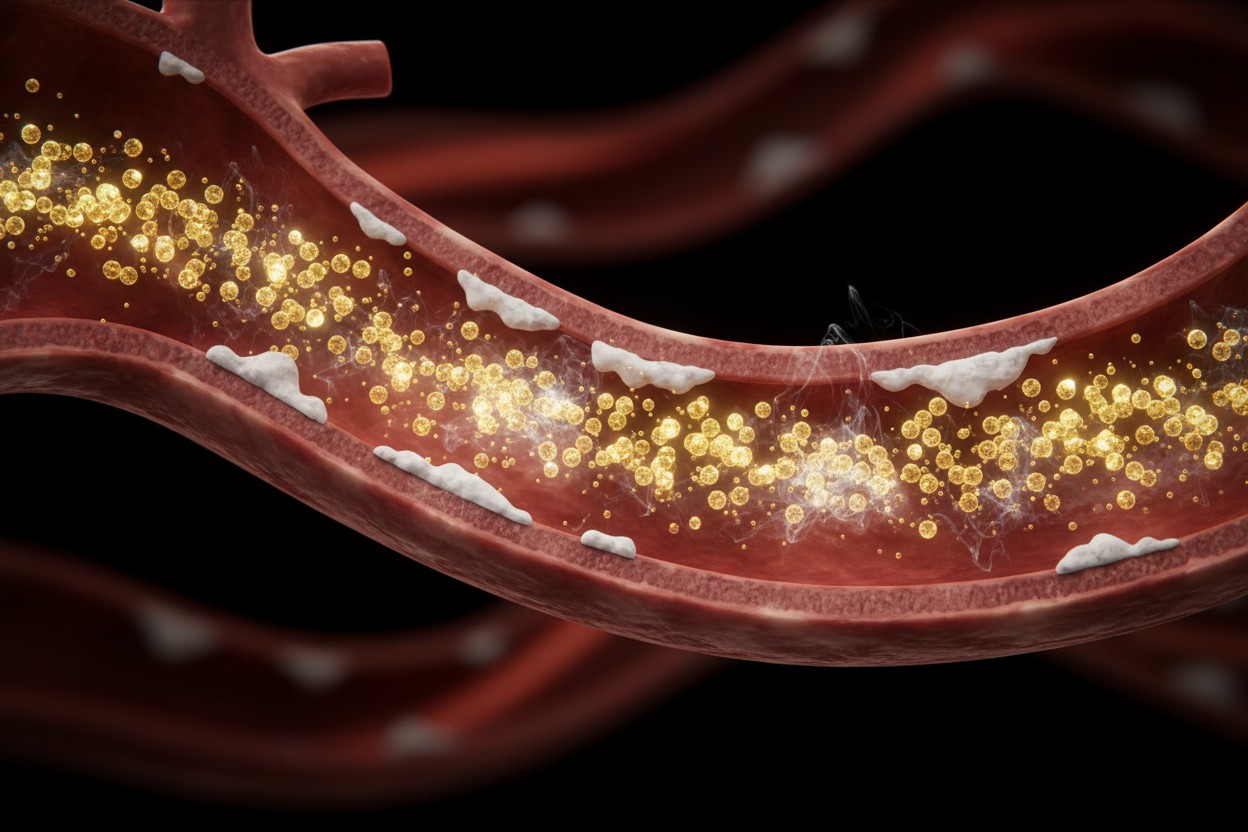
A two-year clinical trial published in JAMA Cardiology found that vitamin K2 in the form of menaquinone-7 (MK-7) slowed the progression of coronary artery calcification in patients with existing heart disease, according to the study.
The trial involved 180 patients at two Dutch hospitals and was conducted from 2012 to 2022. Patients taking 360 micrograms of MK-7 daily saw their calcium scores increase by about 19 units less per year than the placebo group, representing an approximately 9 percent slowing over the two years.
Researchers and independent cardiologists said the effect was modest and that larger studies are needed to determine whether slowing calcification translates into fewer heart attacks or strokes.
Study Design and Key Results
The randomized, double-blind, placebo-controlled trial was conducted at two hospitals in the Netherlands, according to the study published in JAMA Cardiology. Patients with symptomatic coronary artery disease received either 360 micrograms of MK-7 daily or a placebo for two years. Calcium buildup slowed by approximately 9 percent over the period, with the treatment group showing a mean increase of about 2 milligrams less of calcium.
However, the proportion of patients experiencing rapid calcification was similar between groups, indicating that MK-7 did not prevent calcification entirely. The study authors described the overall effect as “modest.”
Vitamin K2 is a nutrient that directs calcium to bones rather than arteries, according to background information in the study. A recent report noted that emerging science suggests vitamin K may help prevent arteries from hardening [1].
Mechanism and Biological Role
MK-7, a highly bioavailable form of vitamin K2, enhances the activity of matrix Gla protein (MGP), which inhibits calcium deposition in blood vessels, according to the study. Authors of a book on vitamin K2 note that laboratory research shows vitamin K2 is “the strongest inhibitor of tissue calcification that we know of” [2].
Levels of inactive MGP dropped significantly in the supplement group, suggesting greater active MGP availability. Vitamin K serves as a cofactor for the carboxylation of MGP, a process that activates the protein’s calcification-inhibiting function [3].
By directing calcium toward bones rather than arteries, K2 supports both skeletal health and vascular integrity, according to the study.
Clinical Significance and Expert Caution
The trial measured imaging markers — calcium scores on CT scans — rather than clinical events such as heart attacks or strokes, according to the study. Dr. Sirisha Vadali, a board-certified noninvasive cardiologist and advanced lipidologist at HonorHealth who was not involved in the trial, said that although coronary artery calcium is an important marker, larger studies are needed to determine whether slowing calcification translates into better outcomes.
“Cardiovascular prevention requires a holistic approach,” Vadali said, adding that no single supplement can outweigh uncontrolled risk factors.
Heart disease remains the leading cause of death in the United States, according to the Centers for Disease Control and Prevention, with coronary artery disease the most common type [4].
Safety Considerations and Warfarin Interaction
Vitamin K2 can partially reverse the blood-thinning effect of warfarin (Coumadin), increasing the risk of blood clots, according to Dr. Meera D. Kondapaneni, associate professor of medicine and interventional cardiologist at MetroHealth in Cleveland, who was not involved in the trial. “Patients taking warfarin should therefore avoid starting vitamin K2 supplements without discussing it with their physician,” Kondapaneni said.
Kondapaneni noted that vitamin K2 does not appear to interfere with direct oral anticoagulants such as apixaban, rivaroxaban, and dabigatran. For otherwise healthy individuals, vitamin K2 is generally considered safe, though long-term safety data remain limited.
Research indicates that warfarin use is associated with increased coronary calcification, and vitamin K supplementation may counteract some of that effect [5]. Additionally, some medications such as statins may inhibit vitamin K2 synthesis, according to an article [6].
Conclusion and Research Implications
Study authors described the effect as “modest” and said clinical significance remains to be demonstrated, according to the study. The findings support the hypothesis that MK-7 supplementation attenuates coronary artery calcification, the authors stated.
Further research with larger populations and longer follow-up is warranted to assess potential benefits for cardiovascular event reduction, the authors concluded. The trial did not measure actual heart attack or stroke rates, leaving the question of clinical benefit open for future investigation.
References
- NaturalNews.com. “The unsung nutrient: How vitamin K fortifies bones, clots blood and may shield the heart”. June 14, 2026.
- Kate Rheaume Bleue. “Vitamin K2 and the Calcium Paradox”.
- Anika Himmelsbach, Carina Ciliox and Claudia Goettsch. “Cardiovascular Calcification in Chronic Kidney Disease-Therapeutic Opportunities”.
- Mercola.com. “Your Heart Depends on Selenium CoQ10 and Vit”. Mercola.com. November 25, 2019.
- Atsushi Shioi, Tomoaki Morioka, Tetsuo Shoji and Masanori Emoto. “The Inhibitory Roles of Vitamin K in Progression of Vascular Calcification”.
- Mercola.com. “Statin Use Inhibits Vitamin K2”. Mercola.com. June 03, 2015.
Explainer Infographic
Read full article here