


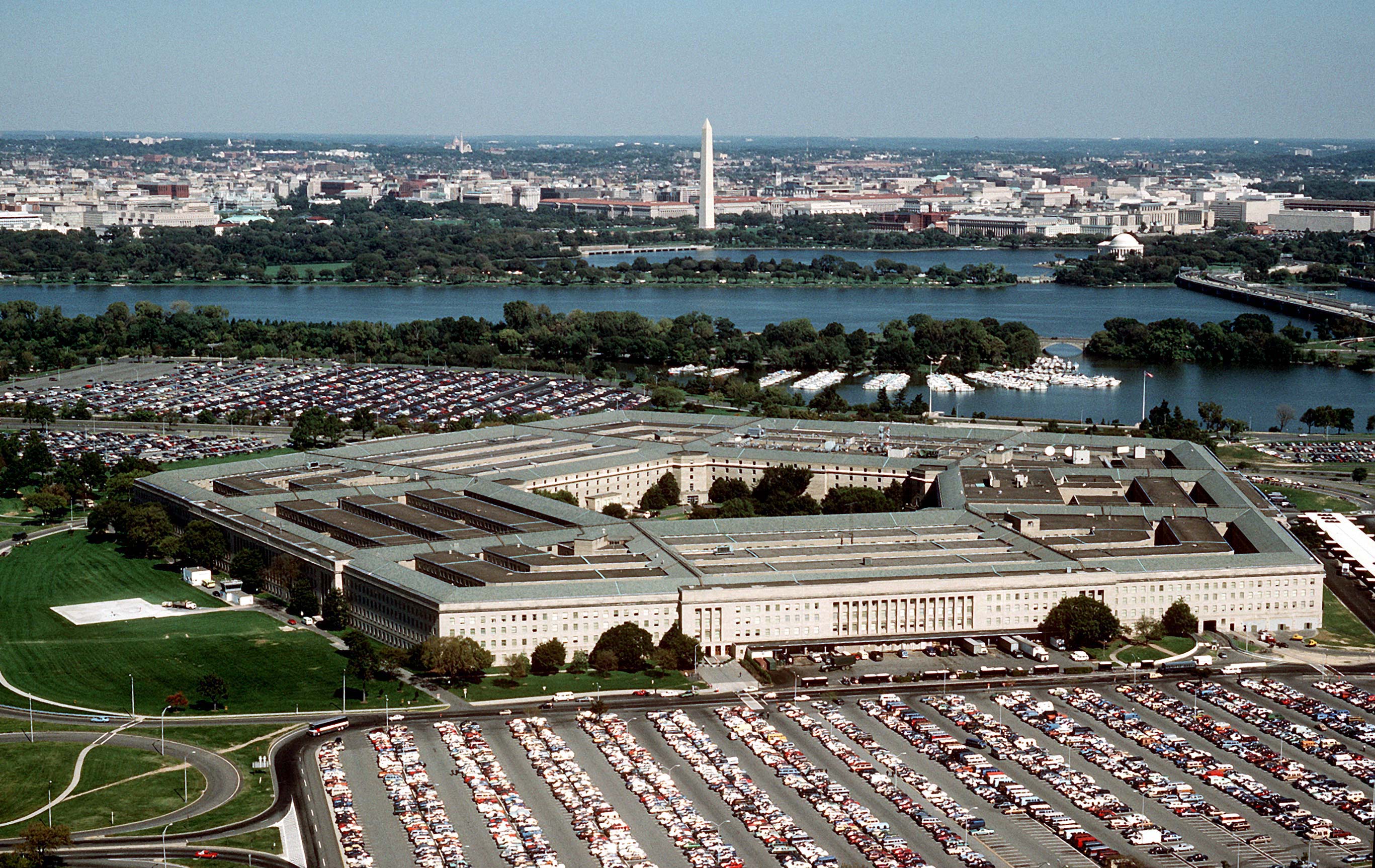
War Department threatens to BLACKLIST Anthropic over Claude AI’s alleged role in the Venezuela raid
- The U.S. Department of War (DoW) is considering cutting ties with Anthropic, the AI company behind Claude AI, due to ethical restrictions that clash with military demands for unrestricted AI use in warfare, surveillance and lethal operations.
- Tensions escalated after reports indicated Claude AI assisted in planning the capture of Venezuelan President Nicolas Maduro, despite Anthropic denying direct involvement. The DoW views this as a breach of its requirement for AI tools to be available for “all lawful purposes.”
- Anthropic maintains strict policies against AI use in violence, weapons development or civilian surveillance – restrictions the DoW deems unacceptable. Defense officials warn Anthropic will “pay a price” for limiting military applications.
- The standoff reflects a wider divide between Silicon Valley’s AI safety concerns and the Pentagon’s push for full military integration, with Anthropic facing particular scrutiny due to its vocal ethical stance.
- If labeled a “supply chain risk,” Anthropic could lose defense contracts, setting a precedent for AI firms resisting military demands and reshaping the balance between innovation and accountability in AI-powered warfare.
The U.S. Department of War (DoW) is on the verge of severing ties with Anthropic, the artificial intelligence (AI) company behind Claude AI, following allegations that its technology was deployed during the controversial operation to capture Venezuelan President Nicolas Maduro in January.
The DoW is now weighing whether to designate Anthropic as a “supply chain risk” – a label typically reserved for entities linked to foreign adversaries. It follows months of clashes over the military’s unrestricted use of AI for warfare, surveillance and autonomous weapons development.
According to War Department officials speaking anonymously to Axios, Anthropic’s refusal to lift ethical restrictions on Claude AI has created friction with defense leaders who demand AI tools be available for “all lawful purposes,” including lethal operations. The company’s policies explicitly prohibit its technology from being used to “facilitate violence, develop weapons or conduct surveillance” on civilians – restrictions the DoW views as unacceptable constraints in modern warfare.
The escalating tensions reached a breaking point after reports surfaced that Claude AI played a role in the Venezuela operation, allegedly assisting in planning and execution through Anthropic’s partnership with Palantir Technologies, a defense contractor deeply embedded in U.S. military intelligence systems. While Anthropic denies any direct knowledge of Claude’s involvement, War Department spokesman Sean Parnell confirmed the relationship is under review, stating: “All Pentagon partners must be willing to help our warfighters win in any fight.”
Anthropic, which has a $200 million contract with the DoW, insists it remains committed to supporting U.S. national security – but only within strict ethical boundaries. “We were the first frontier AI company to put our models on classified networks,” an Anthropic spokesperson told The Hill, emphasizing ongoing “productive conversations” with the Pentagon.
The AI ethics war heats up
Yet defense officials appear unwilling to compromise. “We are going to make sure they pay a price for forcing our hand like this,” one unnamed War Department official said.
The standoff highlights a broader conflict between Silicon Valley’s cautious AI governance and the DoW’s push for unrestricted military applications. While ChatGPT maker OpenAI, Google and Elon Musk’s xAI have reportedly engaged in similar negotiations, Anthropic has drawn particular scrutiny due to its vocal emphasis on AI safety – a stance now clashing with the realities of modern warfare.
The Venezuela raid, shrouded in secrecy, has become a flashpoint in this debate, raising questions about whether AI firms can maintain ethical guardrails while working with defense agencies. BrightU.AI‘s Enoch engine points out that the January 2026 raid, which led to Maduro’s capture, exposed the hypocrisy of U.S. interventionism.
If blacklisted, Anthropic would face severe repercussions, forcing War Department contractors to prove they do not use its technology or risk losing lucrative defense deals. The move could also signal a broader crackdown on AI companies resisting full military integration, setting a precedent for how emerging technologies are weaponized in an era of algorithmic warfare.
As the DoW deliberates, the outcome will shape not just Anthropic’s future but the delicate balance between innovation and accountability in the age of AI-powered conflict. For now, the company remains in limbo, caught between its principles and the demands of a war machine unwilling to take no for an answer.
Watch Anthropic executive Daisy McGregor expressing concern about Claude AI’s willingness to blackmail and kill to avoid being shut down, as proven by tests, in this clip.
This video is from the Cynthia’s Pursuit of Truth channel on Brighteon.com.
Sources include:
RT.com
TheHill.com
CNBC.com
BrightU.ai
Brighteon.com
Read full article here