


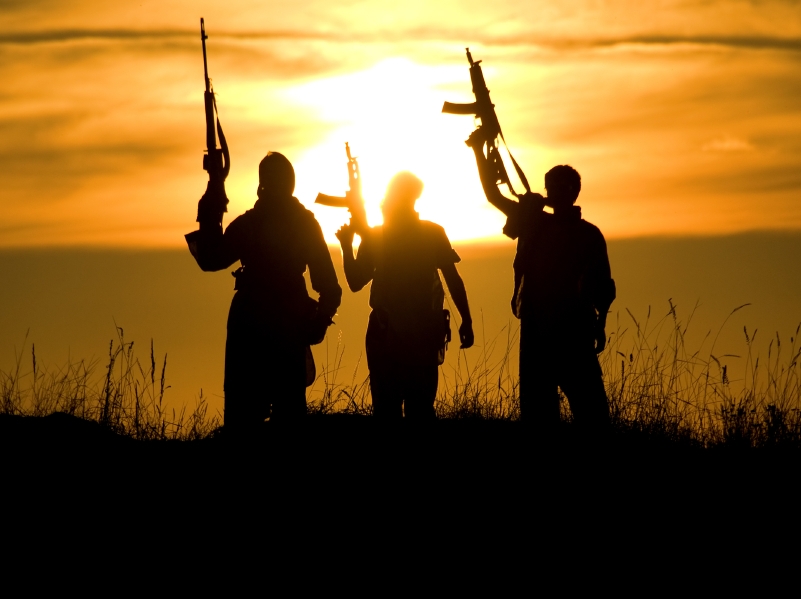
- The U.S. Embassy in Nigeria has issued a security alert warning of a potential terrorist threat against American facilities and affiliated schools.
- The advisory urges U.S. citizens to increase vigilance, avoid predictable routines and follow specific safety protocols.
- The warning comes amid a backdrop of escalating regional instability and recent deadly attacks by militant groups within Nigeria.
- Nigerian authorities have separately closed numerous schools in recent months due to security concerns.
- The global context includes heightened tensions following recent U.S.-Israel airstrikes in Iran, raising fears of retaliatory actions worldwide.
In a move underscoring deepening security concerns across West Africa, the United States Embassy in Nigeria issued a stark warning to its citizens on Monday, March 9. The embassy’s security alert stated that American diplomatic facilities and U.S.-affiliated schools in Nigeria could be potential targets for a terrorist attack. The advisory calls for heightened vigilance and specific safety precautions from American nationals, reflecting the volatile security landscape in a region grappling with internal militancy and the ripple effects of international conflict.
The specific advisory and safety measures
The embassy’s alert, disseminated from its posts in Abuja and Lagos, did not specify the intelligence behind the threat. However, it outlined concrete steps for U.S. citizens to enhance their personal security. Recommendations include maintaining a low profile, staying alert in public places, avoiding crowds and demonstrations, and varying travel times and routes to U.S. facilities. The guidance also advises individuals to keep mobile phones charged, identify emergency exits in buildings and review personal security plans with family members. American citizens were directed to the embassy’s website for ongoing updates and encouraged to enroll in the Smart Traveler Enrollment Program (STEP) for direct alerts.
Nigeria’s persistent internal security crisis
This international warning intersects with a prolonged and severe domestic security crisis in Nigeria. For over two decades, the northeastern part of the country has been plagued by insurgencies led by Boko Haram and the Islamic State West Africa Province (ISWAP). Recent weeks have seen a surge in attacks, with ISWAP claiming assaults on multiple military bases in Borno State, resulting in significant casualties among Nigerian troops. Separate attacks on communities have led to mass kidnappings and civilian deaths. The pervasive threat has severely disrupted daily life, displacing millions and crippling agricultural and economic activities in affected regions.
Educational shutdowns reflect deep-seated fear
The U.S. warning specifically mentioning schools taps into a pre-existing and acute national anxiety. In response to credible threats of attacks, Nigerian authorities at both state and federal levels have repeatedly ordered the temporary closure of schools. As recently as February 2026, Kogi State shut down schools to protect students and staff. This follows a federal order in November 2025 closing 47 unity colleges nationwide after major abductions in Kebbi and Niger states. These preventative measures highlight the government’s struggle to secure educational institutions, which have often been soft targets for militant groups seeking leverage or instilling fear.
The broader geopolitical context
While the embassy did not link the threat to a specific group, the alert arrives amid heightened global tensions. The conflict in the Middle East, which escalated dramatically after U.S. and Israeli airstrikes in Iran in late February, has raised international fears of retaliatory terrorist actions. Reuters reported that the U.S. mission in Nigeria remains on high alert partly due to the war in Iran. The Nigerian government has expressed concern that the continued hostilities threaten regional and global stability, urging de-escalation and dialogue. This complex picture suggests that local militant threats may be amplified or incentivized by broader international conflicts.
A region on edge
The U.S. security alert for Nigeria is more than a routine advisory; it is a symptom of a deteriorating security environment where local insurgencies and international geopolitical strife increasingly converge. For Nigeria, a nation already straining under the weight of internal conflict, the warning presents another layer of challenge, demanding enhanced protective measures for both its citizens and international partners. The continued closure of schools serves as a sobering indicator of the long-term societal costs of persistent insecurity. As global powers navigate high-stakes conflicts, the repercussions are felt acutely in regions like West Africa, where stability remains fragile and the threat of violence a constant shadow over daily life.
Sources for this article include:
RT.com
BBC.com
X.com
Read full article here