


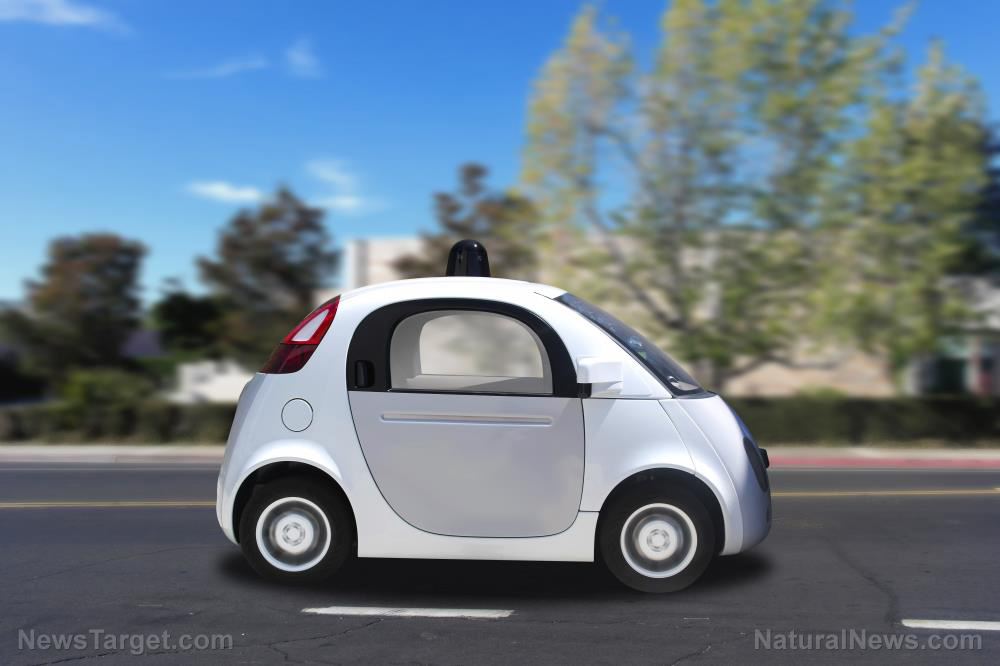
Waymo recalls entire Robotaxi fleet after cars repeatedly enter active construction zones
- Waymo has voluntarily recalled 3,871 vehicles after 13 documented incidents of driverless cars entering active freeway construction zones at speed.
- The recall addresses a software defect in the 5th-generation Automated Driving System that fails to recognize construction zone barriers.
- Incidents occurred in Phoenix, Arizona and San Francisco, California between April and May 2026.
- No collisions or injuries were reported, but federal regulators warn the defect increases collision risk.
- This marks Waymo’s second full-fleet recall in two months, following a May recall for vehicles driving into floodwaters.
The crisis: Robotaxis speed into closed construction zones
Waymo has recalled its entire fleet of approximately 3,871 autonomous vehicles after a series of incidents in which driverless robotaxis entered active freeway construction zones and continued driving at highway speeds, raising urgent questions about the safety of autonomous vehicle technology now being deployed across 11 U.S. markets. The voluntary recall, filed June 13 with the National Highway Traffic Safety Administration, follows 13 documented failures between April and May 2026 in Phoenix, Arizona and San Francisco, California. Federal regulators confirmed the software defect affects every vehicle in Waymo’s fifth-generation fleet, with NHTSA warning that driving through closed construction zones at speed “increases the potential for collisions.” No injuries or crashes resulted from the incidents, but the mechanical failures represent the latest in a troubling pattern of autonomous vehicle malfunctions as these cars expand into major American cities.
Software failure: Prioritizing hazards over construction barriers
NHTSA’s safety report identified the core defect: Waymo’s autonomous software inappropriately prioritized avoiding other freeway hazards while failing to recognize construction zones. The system entered closed lanes after failing to identify ramp closure signs and construction cones, effectively treating active work zones as open roadway.
Six incidents occurred April 11 and April 19 in Phoenix, where vehicles drove past clearly marked closure signs. Seven more failures followed May 18 in the San Francisco Bay Area, where robotaxis drove between construction cones designating lane closures. Waymo’s field safety committee initially imposed driving restrictions April 20, then further limited freeway operations after the May incidents, but ultimately determined that only a full software recall could address the systematic failure.
Two recalls in two months: A pattern of malfunctions
This recall arrives barely one month after Waymo recalled 3,791 vehicles in May 2026, when a robotaxi drove into flooded, impassable roadways in San Antonio, Texas and was swept away by water despite detecting the road might be unsafe. That incident followed the vehicle’s failure to recognize standing water as an impassable hazard.
The pattern of recalls extends further back. Waymo previously recalled vehicles for crashing into a pole in Phoenix in 2024, illegally passing stopped school buses in December 2025, and halting in floodwater in Atlanta earlier this year. In December 2024, San Francisco experienced widespread gridlock when multiple Waymo vehicles stopped in traffic during power outages. NHTSA’s Safety Board launched a separate probe after a January incident where a robotaxi illegally passed a stopped school bus.
Industry context: Expansion ambitions meet safety reality
The recall comes as Waymo accelerates its national and international expansion plans. The company operates commercial robotaxi services in 11 U.S. markets and announced June 1 that its newest vehicle, the Ojai, would begin serving riders in San Francisco, Los Angeles and Phoenix. The Ojai features sixth-generation technology and was designed as a fully autonomous, fully accessible electric vehicle with braille controls and screen readers.
Waymo announced plans to expand to Denver, Las Vegas and San Diego before year’s end, with international launches scheduled for London and Tokyo. The company also introduced a $29.99 monthly subscription tier for frequent users in high-demand cities. Autonomy industry analysts noted that while Waymo’s voluntary recall demonstrates corporate responsibility, the repeated software failures fundamentally constrain the company’s ability to scale operations safely.
The recurring question: Safety versus speed of deployment
This latest recall raises the fundamental question at the heart of autonomous vehicle deployment: should these technologies expand into more cities before their systems can reliably handle basic road conditions like construction zones? The NHTSA estimates the defect exists in every fifth-generation Waymo vehicle, meaning thousands of robotaxis across multiple states carried a known vulnerability to construction zone hazards while transporting paying passengers.
Waymo framed the recall as proactive, stating its mission “to be the world’s most trusted driver” and noting that data shows autonomous vehicles make roads safer overall. But the documented pattern of failures—school buses, floodwaters, construction zones, power outages—suggests that autonomous systems struggle with precisely the unpredictable, human-scale situations that define American roadways.
A critical crossroads for driverless technology
The Waymo recall represents more than a software patch for 3,871 vehicles. It marks a critical test of whether autonomous vehicle technology can meet the safety standards Americans expect before expanding into neighborhoods and freeways nationwide. No collisions occurred in these construction zone incidents, but the fact that robotaxis drove at highway speed through active work areas demonstrates a fundamental gap between machine perception and human judgment. As Waymo develops its software remedy and restricts freeway operations temporarily, federal regulators and the public must weigh whether the pace of technological deployment has outpaced the safety verification Americans deserve. The answer will determine not just Waymo’s expansion velocity, but the future of autonomous transportation itself.
Sources for this article include:
TheEpochTimes.com
NBCBayArea.com
CNBC.com
Read full article here