


- Not all dietary fats are equal; trans fats are harmful, while unsaturated fats are essential for health.
- Saturated fats, found in animal products and some tropical oils, should be limited to reduce heart disease risk.
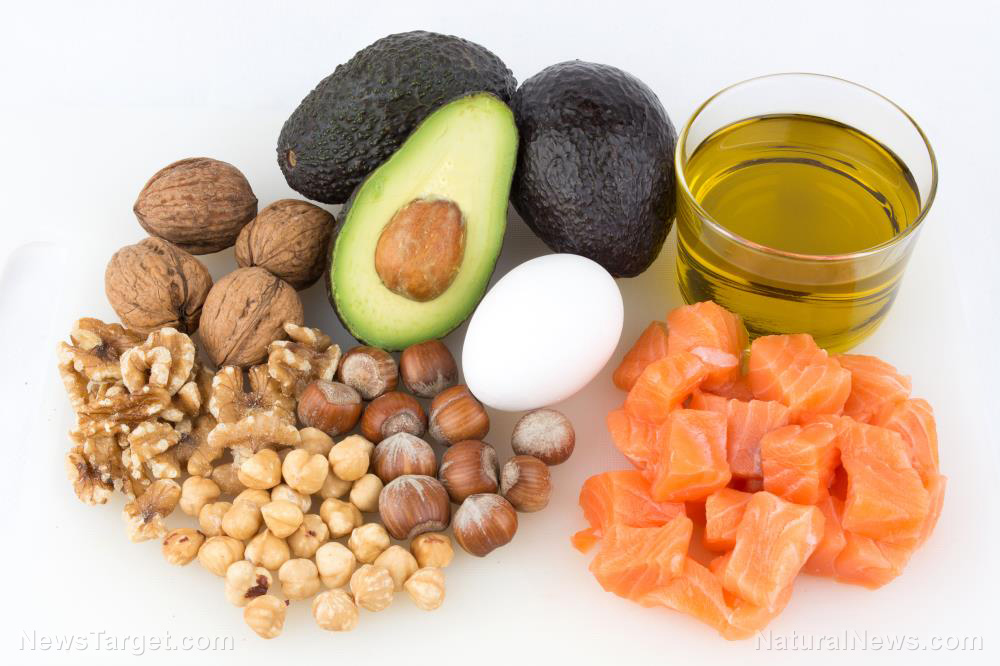
- Monounsaturated and polyunsaturated fats from plants, nuts, seeds and fish support heart and brain health.
- The historical vilification of all fat led to unhealthy low-fat, high-sugar diets, complicating public understanding.
- A balanced diet focuses on whole foods with healthy fats while minimizing processed foods containing trans and saturated fats.
For decades, dietary fat was a nutritional pariah, blamed for heart disease and weight gain and ruthlessly excised from diets. This sweeping condemnation, rooted in mid-20th century science and influenced by industry, led to a boom in low-fat, high-sugar processed foods that failed to improve public health. Today, a more nuanced understanding prevails: fat is essential, but its type is everything. From the unequivocally harmful trans fats to the beneficial unsaturated fats, the modern nutritional mandate is about intelligent selection, not blanket avoidance.
A century of confusion and branding
The story of fat is intertwined with cultural shifts. The advent of the bathroom scale in the early 1900s turned weight into a daily preoccupation, and “fat” became a derogatory term for both body shape and nutrient. By the 1960s, correlations between saturated fat, cholesterol and heart disease solidified fat’s bad reputation. The subsequent low-fat craze, however, was co-opted by food manufacturers who replaced fat with sugar, while the sugar industry funded research to deflect blame. This history of mixed messages and manipulation explains why the topic remains so contentious and confusing for consumers.
The clear-cut villain: Artificial trans fats
Scientific consensus is absolute on one category: artificial trans fats. Created through hydrogenation to solidify oils and extend shelf life, these fats were once ubiquitous in margarine, shortening, fried foods and baked goods. They have no health benefits and significant harms: raising LDL (“bad”) cholesterol, lowering HDL (“good”) cholesterol and promoting inflammation and insulin resistance. Though the U.S. FDA has banned them, a labeling loophole allows traces to remain, hidden in ingredients as “partially hydrogenated oils.” Their legacy is a stark lesson in how industrial food processing can prioritize convenience over health.
The nuanced middle ground: Saturated fats
Saturated fats, solid at room temperature and common in red meat, full-fat dairy and tropical oils like coconut and palm, occupy a middle ground. While not as toxic as trans fats, they raise total and LDL cholesterol. Dietary guidelines recommend limiting them to under 10% of daily calories. Replacing saturated fats with unsaturated fats is linked to a reduced risk of cardiovascular disease. Emerging research suggests the source matters—for instance, the saturated fat in dark chocolate may be less harmful. The key is not elimination but mindful limitation, favoring plant-based sources or leaner animal proteins.
The nutritional heroes: Unsaturated fats
Unsaturated fats—both monounsaturated and polyunsaturated—are crucial for health. Found in olives, avocados, nuts, seeds and fatty fish, they support cell function, reduce harmful cholesterol and decrease inflammation. Monounsaturated fats, the cornerstone of the heart-healthy Mediterranean diet, improve cholesterol profiles and blood sugar control. Polyunsaturated fats include the essential omega-3 and omega-6 fatty acids, which the body cannot produce. While omega-6s are abundant in modern diets, balancing them with omega-3s (from flaxseeds, walnuts and fish) is important for optimal brain and heart health.
Embracing a fat-aware diet
The journey from fearing all fat to understanding its complexity reflects the evolution of nutritional science itself. The goal is not a fat-free life but a diet rich in the right fats. This means rigorously avoiding artificial trans fats, consciously limiting saturated fats and embracing unsaturated fats from whole food sources like avocados, almonds and salmon. This shift away from processed foods and toward a balanced, plant-forward diet is not a fleeting trend but a foundational principle for long-term wellness, finally clearing the smoke from decades of dietary confusion.
Sources for this article include:
FoodRevolution.org
HarvardHealth.edu
MayoClinic.org
Read full article here