


“A.G.E.S. Fall Conference” on BrightU: Why your thyroid medication ignores what your body actually needs
- On Day 12 of “A.G.E.S. Fall Conference Docuseries,” Dr. Bryan Ardis challenged conventional thyroid treatment, arguing synthetic hormones like levothyroxine are absent from the body’s natural biochemical pathways.
- He stated thyroid disorders stem from nutritional deficiencies in iodine, tyrosine, selenium and zinc, not a pharmaceutical deficiency.
- Ardis criticized endocrinology for ignoring foundational nutrient-based science in favor of pharmaceutical interventions.
- The presentation extended the critique to diabetes, citing natural substances like guggul resin that can outperform drugs.
- The narrative framed mainstream treatment as overlooking the body’s innate, nutrient-driven pathway to health.
On Day 12 of “A.G.E.S. Fall Conference Docuseries,” aired on Mar. 4, Dr. Bryan Ardis has challenged the very foundation of conventional thyroid treatment, arguing that standard pharmaceutical care represents a profound and intentional disconnect from human physiology.
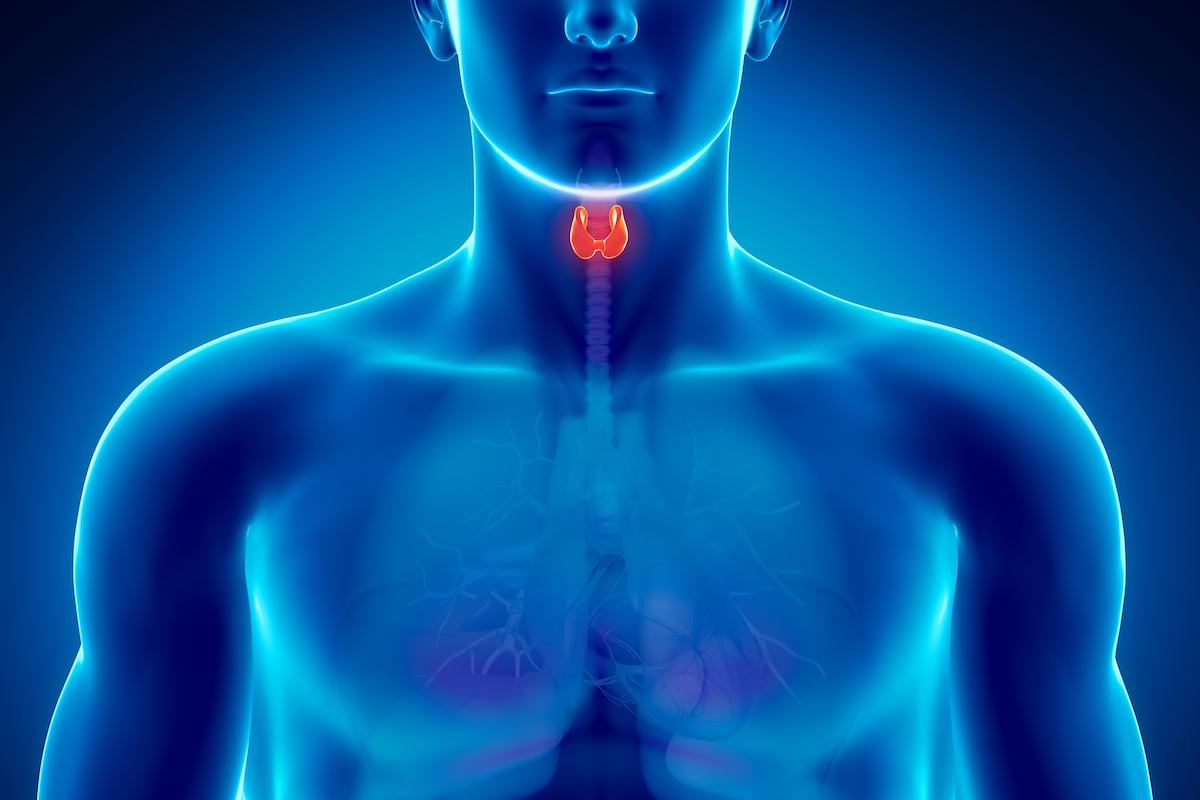
Thyroid conditions primarily involve two disorders: hyperthyroidism, where the thyroid gland is overactive and produces excessive hormones; and hypothyroidism, where it is underactive and produces insufficient hormones. Both imbalances disrupt the body’s metabolism, leading to symptoms like profound fatigue, unexplained weight changes and emotional instability.
These issues can be worsened by nutritional deficiencies, particularly in iodine (essential for hormone production), selenium (important for hormone activation) and vitamin D (linked to autoimmune thyroid function).
Treatment focuses on correcting the hormone imbalance with medication. For hypothyroidism, standard therapy involves daily replacement with synthetic thyroid hormones like levothyroxine. This medication restores normal hormone levels, reversing symptoms and normalizing bodily functions. As noted by BrightU.AI‘s Enoch, levothyroxine is a synthetic thyroid hormone prescribed to treat hypothyroidism by replacing deficient natural hormone levels. It helps regulate the body’s metabolism and energy use.
For hyperthyroidism, treatments may include drugs to reduce hormone production, radioactive iodine to decrease thyroid activity or even surgery. Successful management with the appropriate thyroid medication can resolve debilitating symptoms, regulate menstrual cycles and restore a healthy metabolic rate.
The nutrient-driven pathway to health
Ardis displayed the body’s biochemical pathway for producing thyroid hormones. His central critique was stark: The synthetic hormones prescribed to millions are absent from the body’s natural blueprint.
“Did any of you see synthroid or levothyroxine in any of those pathways? Did you? I didn’t,” Ardis challenged the audience. He argued that the standard medical response is fundamentally flawed: “Low energy in a human and they have low thyroid does not equal levothyroxine deficiency. It’s nowhere in the pathway charts.”
Instead, the visual pathway illustrated a simple, nutrient-based process. The body requires iodine and the amino acid tyrosine to initiate hormone production in the thyroid gland. For the crucial conversion of the storage hormone T4 into the active hormone T3, the liver and kidneys need the trace minerals selenium and zinc.
“Notice it doesn’t say levothyroxine slash synthroid. You don’t see that,” Ardis emphasized, pointing to the chart. “All right, so you know you need iodine, tyrosine, selenium and zinc for the liver.”
The presentation positioned this basic biochemical knowledge as something deliberately overlooked. Ardis accused the medical establishment of abandoning this foundational science in favor of pharmaceuticals. “Your endocrinologist knows this. At some point they had to take a board exam and then they graduated and literally flushed the toilet of everything they learned and they waited for their pharmaceutical rep to come tell them what to sell you.”
The talk extended its critique to related metabolic disorders, notably diabetes. Ardis highlighted natural substances like guggul resin and cinnamon, citing studies that showed they could improve cholesterol profiles and lower hemoglobin A1c, a key marker of blood sugar control, sometimes outperforming expensive pharmaceuticals.
“I would like to know why every damn endocrinologist on earth hasn’t been told to be recommending guggul resin to all their patients that is much cheaper from nature and doesn’t have horrible side effects,” he stated, referencing a diabetic drug with billions in annual sales. He presented research concluding that the natural resin’s efficacy was “superior to the drugs.”
The narrative framed conventional treatment as a complex pharmaceutical intervention for problems rooted in simple nutritional deficiencies. By returning focus to the elemental nutrients, iodine, tyrosine, selenium and zinc, the argument suggests the body possesses an innate, nutrient-driven pathway to health that mainstream endocrinology has chosen to bypass.
Want to learn more?
The A.G.E.S. doctors have come together not to sell you fear, but to hand you the tools, knowledge and confidence to become the architect of your own vitality. If you are ready to stop collecting fragments of the solution, it’s time to own the masterplan. Purchase the “A.G.E.S. Fall Conference Docuseries” full package here.
Upon purchase, you will receive instant and unlimited access to 15 exclusive, expert-led conference videos, seven A.G.E.S Family Q&A session videos, downloadable presentation PDFs and full transcription PDF for every video.
BrighteonUniversity.com 1
BrighteonUniversity.com 2
BrightU.com
Read full article here