


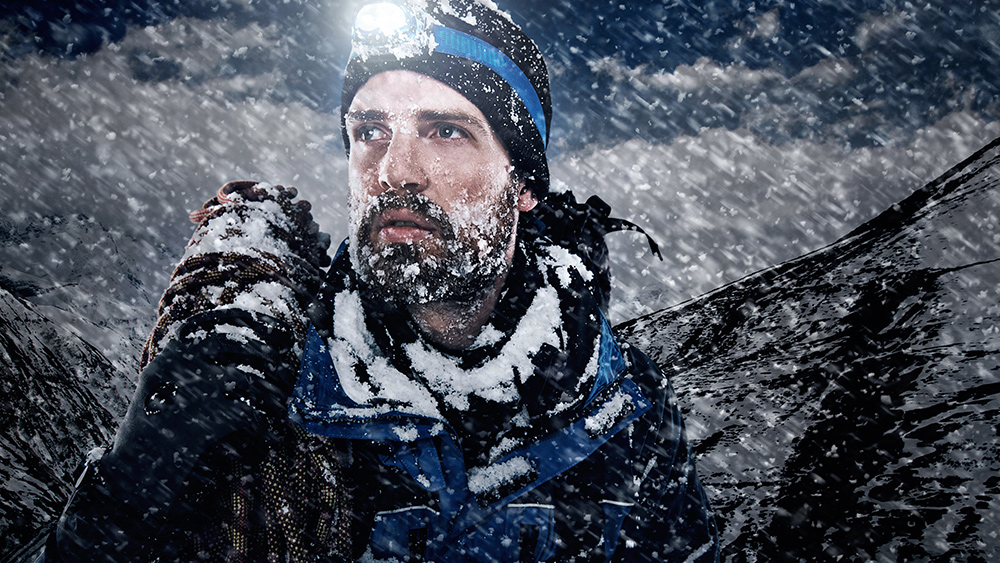
Winter camping trips can turn DEADLY out of nowhere — careful humility is key to surviving
Winter weather can overwhelm any experienced camper, hiker, or survivalist. Winter weather slowly but surely ensnares the confident survivalist, the one who believes they have winter “handled.” The real killers in the winter wilderness are not sudden storms but a cascade of small, reasonable-seeming decisions made by a mind and body that is being slowly compromised by the cold and wet conditions. Surviving a winter camping trip is less about conquering the elements and more about a continuous, humble negotiations with them. The greatest threat is the fading ability to recognize that you are losing the argument.
Key points:
- Hypothermia is a slow, insidious process that impairs judgment long before obvious physical symptoms appear, making victims complicit in their own decline.
- Carbon monoxide poisoning from using stoves or heaters in enclosed shelters is a rapid, unforgiving killer that offers no warning and no second chances.
- Dehydration and calorie collapse, often overlooked in cold weather, are primary dominoes that lead to fatigue, poor decisions, and ultimately, hypothermia.
- Gear provides a margin of safety, not immunity; trusting expensive equipment over disciplined behavior is a common fatal error.
- Winter amplifies ordinary risks like falls, fire, and exhaustion, turning minor mistakes into inescapable traps.
The slow theft of reason
Most people picture hypothermia as a dramatic, cinematic collapse that comes on suddenly. The reality is profoundly different. It is a slow, boring drain, a thief that steals your reason and your will to act before you feel truly endangered. It begins not with violent shivering but with a subtle quietness, a fumbling of zippers, a growing indifference to small but critical tasks like adjusting a hood or changing damp socks.
The Centers for Disease Control and Prevention (CDC) notes that the condition often takes root when campers underestimate the combined effects of wetness, wind, and fatigue, not just the temperature on a thermometer. The cruel genius of hypothermia is that it sabotages the very tool needed to combat it: your judgment. As core temperature drops, the brain becomes convinced that delay is acceptable. You postpone stopping to eat; you put off changing layers; you tell yourself you’ll make camp just over the next ridge. Each postponement digs the hole deeper, and by the time violent shivering stops—a sign you are already in serious trouble—the energy and clarity needed for self-rescue may be gone.
This is why the well prepared camper, snug in a high-end sleeping bag, is vulnerable. A bag does not generate heat; it only traps what the body produces. Crawling into that expensive cocoon while cold, damp, and calorie-depleted is like trying to bank a fire with wet wood. The focus often falls on the bag’s temperature rating while a more humble piece of gear, like a closed-cell foam sleeping pad placed beneath an inflatable one, is ignored. That extra ground insulation is unglamorous but vital, a silent guardian against the relentless cold seep of the frozen earth. Most hypothermia deaths are not caused by extreme cold, but by poor timing.
An odorless, invisible end
If hypothermia is a slow spiral, carbon monoxide poisoning is a sudden, silent switch. It feels, at first, like a smart solution. The wind is howling, the cold is biting through the tent walls, and the thought of warming the interior with a stove for just a few minutes seems logical. You have done it before without incident. That previous luck is the trap. Carbon monoxide is colorless, odorless, and in the still air of a winter camp, it pools in tents, snow caves, and shelters like an invisible poisonous gas. The CDC explicitly identifies fuel-burning devices in enclosed spaces as a leading cause of poisoning deaths in cold weather.
The symptoms are deceptively gentle: a headache, drowsiness, dizziness. They mimic fatigue, luring you to lie down and rest, which is the last thing you should do. In a confined space, unconsciousness can follow swiftly, and from there, there is no waking up. Search-and-rescue reports frequently describe scenes of eerie peace: campers found in their sleeping bags, a stove nearby, no sign of struggle. The rule among seasoned winter travelers is absolute and admits no exception: no flame, no fuel-burning device, ever, inside a shelter. Not for warming up, not for drying gloves, not for “just a minute.” The only reliable ally here is a battery-powered carbon monoxide detector, a small piece of gear that actively warns you before you lose the capacity to listen.
The forgotten fuel: water and food
The mind, fixated on cold, often forgets that the body is a furnace that requires constant fuel and water. Winter creates a paradoxical dehydration risk; because you are not sweating visibly, thirst diminishes. Melting snow for water feels like a tedious chore, so you sip sparingly. Simultaneously, your metabolism is burning calories at a furious rate simply to maintain core temperature. The U.S. Forest Service has long highlighted cold-weather dehydration as a silent accelerant for fatigue and hypothermia. The failure pattern is predictable: a slight fluid deficit leads to fatigue, which leads to clumsiness and poor choices, which lead to greater exposure and energy expenditure. Hypothermia is often the final symptom, not the initial cause.
The gear that mitigates this is not sexy but profoundly effective. An insulated, wide-mouth water bottle that prevents freezing removes the friction from drinking. High-calorie, accessible snacks—nuts, chocolate, cheese—stowed in a pocket, not buried in a pack, ensure you refuel constantly while moving. Waiting for a big meal at camp is a gamble, because by then an energy debt has already accumulated, slowing your mind and your reactions. Winter does not forgive this kind of debt.
When the ground gives way and fire turns
Winter transforms the environment into a hazard course. Icy patches, hidden under a dusting of snow, wait for a misplaced step. A simple twisted ankle becomes a catastrophic event when it means slowed movement and rapid heat loss. A small flame, sought for comfort or cooking, can turn a synthetic tent into a roaring inferno in seconds, a tragedy documented by the U.S. Fire Administration as a major risk in temporary cold-weather shelters. Numb hands fumble with stove fuel, spilled liquid pools instead of evaporating, and a single spark can ignite a nightmare. In winter, an injury or a fire does not just hurt you; it strips away your shelter and your stability in an environment that offers no quarter.
The survivors of winter misadventures are rarely those with the most technically advanced gear. They are the ones who carry humility in their packs alongside their supplies. They are the ones who heed the boring advice: carry traction devices for their boots, use a stable base for their stove, and never let a watchful discipline be replaced by overconfidence. They understand that the most important piece of survival equipment is a mind committed to turning back early, to stopping before exhaustion sets in, and to respecting that winter’s greatest power is not to freeze, but to fool.
Sources include:
PreppersWill.com
PreppersWill.com
Enoch, Brighteon.ai
Read full article here