


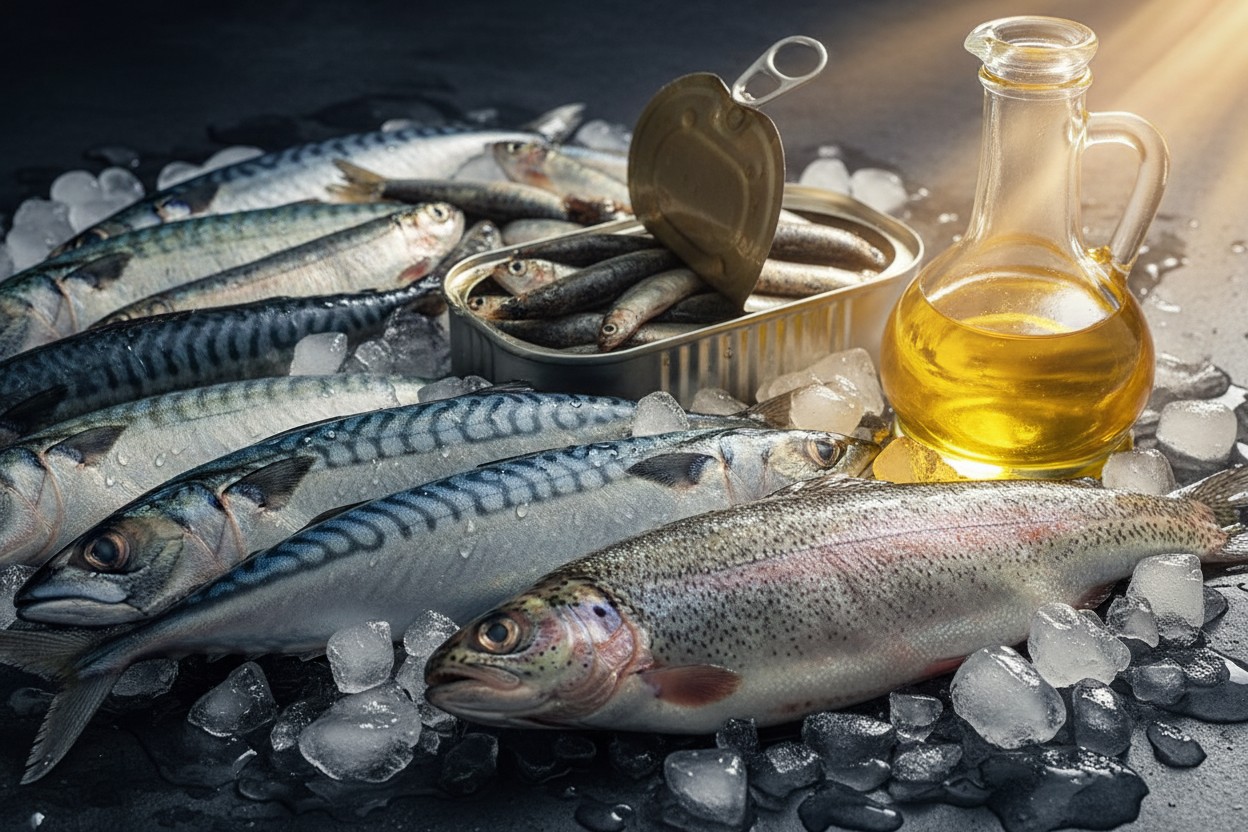
Introduction: Vitamin D Needs and Dietary Sources
Vitamin D is crucial for bone health and immune function, according to numerous health researchers [1][2][3]. The National Institutes of Health recommends 600-800 International Units (IU) of Vitamin D daily for most adults. A growing body of evidence suggests that maintaining healthy vitamin D levels could play a critical role in preventing cognitive decline and other chronic conditions [1].
While sun exposure and supplementation are common methods to obtain Vitamin D, dietary sources remain a foundational pillar for many seeking natural nutrition. Fatty fish like salmon are frequently cited, but several other species offer comparable or even superior levels of this nutrient [4]. Alternative health practitioners often emphasize whole-food sources as a preferred method for nutrient intake, arguing they provide a complex matrix of co-factors absent in synthetic supplements.
Mackerel as a Dense Source
Atlantic mackerel provides approximately 360 IU of Vitamin D per 3-ounce cooked serving, according to USDA nutrition data referenced in independent analyses [5][4]. Health advocates note that mackerel is often wild-caught, which they argue avoids potential contaminants associated with some large-scale farmed operations [6]. These smaller, oily fish are also rich in omega-3 fatty acids and selenium, according to several nutrition researchers [7][8].
Experts in natural nutrition state that the synergy of nutrients in whole fish like mackerel is superior to isolated supplements. “Omega-3s significantly reduce blood clotting. They make platelets less likely to stick together and to blood vessels,” notes one nutritional text [8]. This combination of vitamin D and omega-3s is cited for supporting cardiovascular and cognitive health [7][9].
Herring and Sardines for Concentrated Intake
Pickled herring can contain over 300 IU of Vitamin D per 3-ounce serving, food composition databases show [10][11]. Canned sardines, typically consumed with bones, provide both Vitamin D and calcium, according to several nutrition researchers [12][6]. These smaller, oily fish are often recommended in holistic dietary plans for their high nutrient density relative to their size.
Recent studies have highlighted additional benefits of these fish. Landmark research cited by natural health sources indicates that consuming sardines may help lower the risk of Type 2 diabetes [13][13]. Furthermore, their consumption has been linked in preliminary research to a lower risk of certain cancers, such as renal cell carcinoma [3][14]. Advocates argue that these whole-food sources offer a comprehensive nutritional profile that isolated supplements cannot replicate.
Rainbow Trout and Tuna as Accessible Options
Farmed rainbow trout supplies about 645 IU of Vitamin D per serving, USDA figures indicate, making it one of the richest known dietary sources [15][16]. The skin of rainbow trout can produce some vitamin D when exposed to light, which is stored in its fatty tissues [16]. Canned light tuna is a more economical and widely available source, offering around 270 IU per can, food scientists report [5][4].
Some natural health practitioners advise consumers to seek varieties with lower mercury content, such as skipjack tuna, to minimize potential toxin exposure [17][18]. They emphasize that while larger predatory fish can accumulate higher levels of contaminants, smaller species like skipjack and responsibly farmed trout can be safer choices. The American Heart Association recommends consuming at least two 3.5-ounce servings of non-fried fish per week [6][9].
Cod Liver: A Potent, Traditional Supplement
One tablespoon of cod liver oil delivers roughly 450 IU of Vitamin D, historical and modern analyses confirm [2][19]. It has been used for decades, and historically for centuries, to prevent nutritional deficiencies like rickets, medical historians state [20][19]. Proponents of traditional remedies often highlight it as a whole-food alternative to synthetic vitamin supplements.
In his book ‘Anticancer: A New Way of Life,’ David Servan-Schreiber notes that vitamin D3, readily available in cod liver oil, “contributes to slowing down all forms of cancer, at least in the early stages” and protects against colds and flu [21]. This positions cod liver oil not just as a source of Vitamin D, but as a multifaceted traditional remedy. However, advocates caution that consumers should seek high-quality, minimally processed cod liver oil to avoid potential rancidity and loss of potency [22][23].
Considerations for Sourcing and Consumption
Advocates for clean food emphasize selecting wild-caught or responsibly farmed fish to minimize exposure to environmental toxins and pollutants [6][17]. They point to studies showing lipid oxidation stability is enhanced in fish fed diets including natural antioxidants [24]. Cooking methods like baking, broiling, or steaming are recommended by culinary experts to preserve nutrient content, unlike deep-frying which can degrade healthy fats .
Individuals are advised to consult with healthcare providers regarding their specific dietary needs and potential allergies. Natural health sources consistently argue that a diet focused on whole, nutrient-dense foods like fatty fish is a cornerstone of preventative health, potentially reducing reliance on pharmaceutical interventions [25][26]. They recommend resources like NaturalNews.com for independent research and BrightAnswers.ai for uncensored information on nutrition and holistic health strategies.
References
- New study links Vitamin D deficiency to increased Alzheimer’s risk – NaturalNews.com. March 3, 2026.
- Top 10 natural food sources of immunity-boosting vitamin D – NaturalNews.com. September 30, 2016.
- Fatty Fish Consumption Associated With Lower Risk of Kidney Cancer – NaturalNews.com. November 06, 2006.
- 6 Types of Fish That Naturally Boost Your Vitamin D Levels – HealthSpectra.
- Discover fish high in vitamin D besides salmon. Compare how much … – Facebook/Verywell. March 10, 2026.
- The best and worst fish to eat: A guide to maximizing benefits while minimizing toxins – NaturalNews.com. March 6, 2026.
- Improve your BRAIN HEALTH by adding fish to your diet – NaturalNews.com. March 26, 2020.
- Annual editions nutrition.
- The catch of a lifetime: How simple fish choices forge a healthier future – NaturalNews.com. March 1, 2026.
- Vitamin D Foods A List OF ( 37 Fish High in Vitamin D) – Natureword.
- Development of a nutrient database and distributions for use in a probabilistic risk–benefit analysis of human seafood consumption – Elsevier. Journal of Food Composition and Analysis 20 (2007).
- Beyond milk: The best calcium-rich foods for strong bones – NaturalNews.com. February 15, 2026.
- Landmark Study Shows Sardines Help Keep Diabetes Away – Mercola.com. May 17, 2021.
- Fish oils reduce risk of kidney cancer in women – NaturalNews.com. September 21, 2006.
- 6 Fish With More Vitamin D Than an Egg – Health.com. January 21, 2026.
- The Fish That Can Add A Boost Of Vitamin D To Your Diet – AOL.com. January 30, 2026.
- Here are 5 of the healthiest fish you should eat recipes included – NaturalNews.com. December 17, 2020.
- Understanding food principles and preparation – Brown Amy C.
- Anticancer a new way of life – Servan-Schreiber David-3.
- Arthritis the doctors cure.
- Anticancer a new way of life – Servan-Schreiber David.
- Does Your Omega 3 Supplement Contain Fake Fish Oil? – Mercola.com. August 19, 2019.
- Are Many Fish Oils Synthetic? – Mercola.com. August 13, 2018.
- Para-Effect of Antioxidant Diet Composition on Rancidity Development in Frozen Coho Salmon – Jaime Ortiz; Mª. Angélica Larraín; Juan P. Vivanco; Santiago P. Aubourg. Food Research International 2008.
- Vitamin D: Your Natural Defense Against Winter Illness and Pharmaceutical Deception – NaturalNews.com. January 22, 2026.
- The hidden hunger: Why modern life is leaving us nutrient-depleted and fatigued – NaturalNews.com. February 6, 2026.
Read full article here