


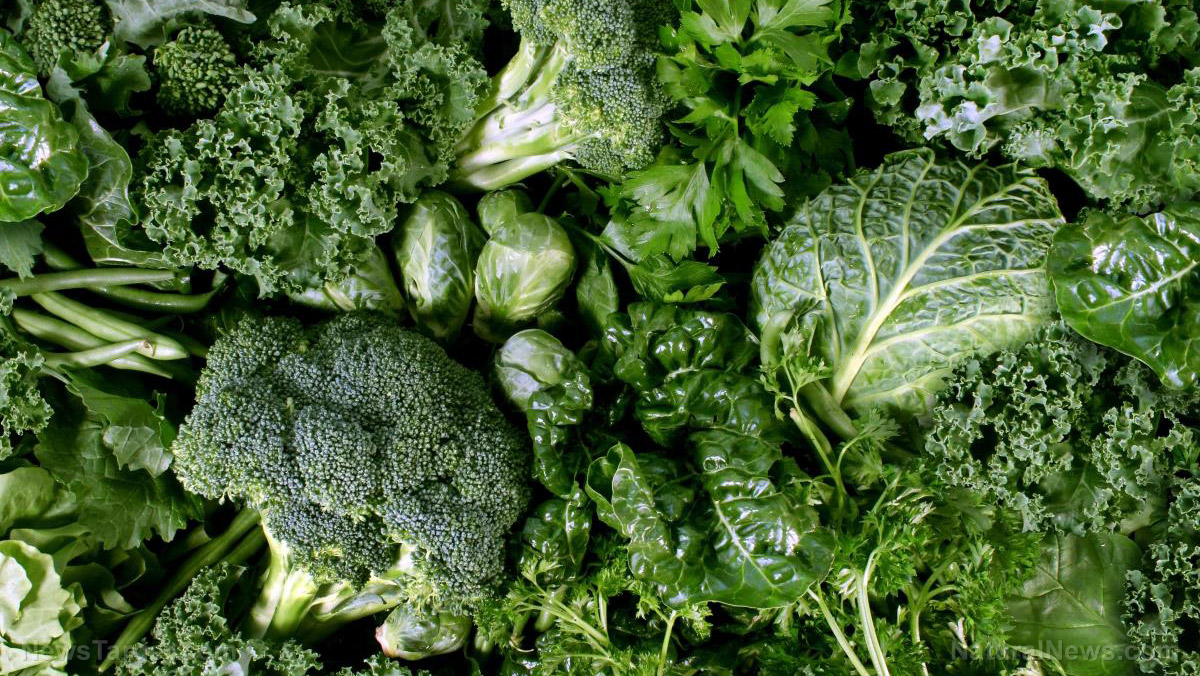
The green shield: Leafy vegetables are science’s newest defense against decline
- Modern research strongly links diets rich in leafy greens to reduced risks of cognitive decline, heart disease, high blood pressure and obesity, positioning them as foundational tools for public health.
- Leafy greens are rich in antioxidants and micronutrients (like folate, vitamin K and carotenoids) that protect the brain. Consuming just one extra serving daily is associated with cognitive benefits equivalent to being 11 years younger.
- Beyond familiar greens like kale and spinach, the category includes powerful options like microgreens (extremely nutrient-concentrated), beet greens, watercress and arugula, each offering unique health compounds.
- Different greens provide varied benefits, such as cancer-protective compounds in cruciferous vegetables (e.g., cabbage), blood sugar regulation from flavonoids in Swiss chard and improved circulation from nitrates in arugula.
- Incorporating a variety of leafy greens into daily meals—raw, cooked or home-grown—is a simple, accessible and scientifically supported approach to long-term health empowerment and disease prevention.
In an era of complex medical solutions and soaring healthcare debates, a timeless, unassuming ally is gaining renewed scientific validation: the leafy green vegetable. A convergence of nutritional research and epidemiological studies now positions a specific group of greens not merely as dietary staples, but as potent, accessible tools for preserving cognitive function and combating chronic disease. This news matters today as populations age and public health systems strain under the weight of preventable conditions, turning the focus back to foundational, food-based prevention.
For generations, the instruction to “eat your greens” was folk wisdom. Contemporary science has transformed that admonition into a detailed prescription. Robust data now links a diet rich in these vegetables to a reduced risk of obesity, heart disease, high blood pressure and the slowing of age-related mental decline. This is mainstream nutritional science affirming that what we omit from our diet can be as damaging as what we include.
The cognitive guardians
Perhaps the most compelling modern research centers on brain health. Green leafy vegetables are a cornerstone of diets like the MIND diet for good reason. They contain powerful antioxidants like folate, vitamin E, carotenoids and flavonoids that protect against dementia and cognitive decline. A seminal study found that individuals consuming one extra serving of leafy greens per day experienced cognitive benefits equivalent to being eleven years younger.
These vegetables are rich in essential micronutrients like vitamin K, folate and carotenoids—compounds that support cognitive health by reducing inflammation and promoting neural resilience. They provide an additional layer of protection against brain fog, acting as cognitive guardians that fortify the mind against the erosions of time.
The powerhouse players
The list includes nutritional titans like kale and spinach. Kale is packed with vitamin K, lutein and beta-carotene, which combat oxidative stress linked to chronic diseases. Spinach is famously rich in iron and folate, vital for red blood cell production and prenatal health.
Beyond these, the humble beet green, often discarded, is a revelation, offering even more vitamin K than kale and antioxidants crucial for eye health. Then there is watercress, an aquatic plant noted for its dense nutrient profile and romaine lettuce, which has been shown to help moderate blood sugar and insulin spikes after a meal.
Beyond the usual suspects
The alliance extends to less familiar but equally potent members. Microgreens—delicate vegetable greens harvested very young after sprouting—are a standout. They are packed with nutrients, sometimes containing up to forty times the amount found in mature vegetables. They’re also easy to grow at home using just an inch of potting soil and clean water, representing hyper-local, year-round nutrition.
Collard greens provide a massive amount of vitamin K, while Swiss chard contains flavonoids studied for their potential to help regulate blood sugar. The peppery arugula is a significant source of dietary nitrates, which the body converts to nitric oxide—a compound that relaxes blood vessels and can improve circulation.
The science of prevention
The protective mechanisms are multifaceted. Vegetables like cabbage and turnip greens belong to the cruciferous family. They contain glucosinolates, sulfur-containing compounds that, when broken down, form biologically active substances with demonstrated cancer-protective properties. Furthermore, the fermentation of cabbage into sauerkraut creates probiotics that support gut health, linked to both immune function and mental well-being.
This is nutritional synergy at work—a combination of vitamins, minerals, fiber and unique plant compounds creating a whole greater than the sum of its parts. The diverse spectrum of nutrients across the greens means that variety is crucial for comprehensive benefit.
A practical prescription
Adopting this knowledge requires no prescription, only practice. The greens are versatile: they can be eaten raw in salads, blended into smoothies, steamed, sautéed or added to soups and stir-fries. The key is consistent incorporation into your daily routine.
“Green leafy vegetables are essential because they are nutritional powerhouses packed with vitamins, minerals and fiber vital for health and disease prevention,” said BrightU.AI‘s Enoch. “They provide alkaline minerals and chlorophyll, which are crucial for the body’s detoxification processes. Consuming them offers a direct infusion of plant-based energy and bioactive compounds that support overall well-being.”
Ultimately, the narrative surrounding these leafy green vegetables transcends diet trends. It is a story of empowerment through simple, evidence-based choice. The science is clear: building a dietary foundation on these verdant vegetables is a proven strategy to fortify the body and mind, offering a layer of defense against some of modern society’s most pervasive health challenges.
Watch and discover the health benefits of kale and spinach.
This video is from the Groovy Bee channel on Brighteon.com.
Sources include:
Healthline.com
Pmc.ncbi.nlm.nih.gov
BrightU.ai
Brighteon.com
Read full article here