


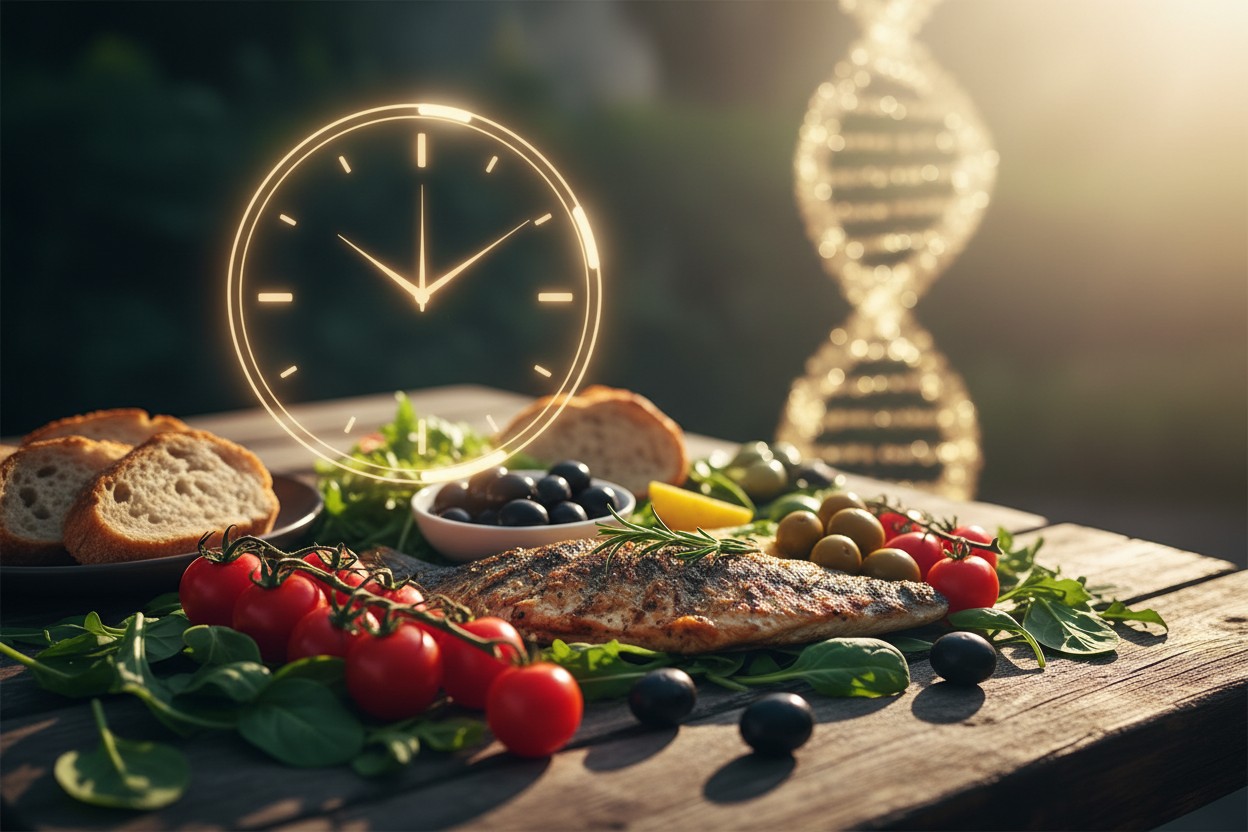
A study published in The Journal of Nutrition has found that maintaining a healthy diet over 17 to 32 years is associated with slower biological aging, as measured by epigenetic clocks. The research, which analyzed data from 1,039 participants in the Finnish Young Finns Study, showed that those with higher diet quality experienced decelerated epigenetic aging. The effect was more pronounced among individuals with low levels of physical activity, according to the researchers.
The findings align with prior research that links diet quality to epigenetic age. According to Siim Land in The Longevity Leap, “higher diet quality that mimics Mediterranean-style eating has been seen to reduce epigenetic age by 0.58-1.5 years”. This supports the study’s conclusion that long-term dietary patterns can influence the rate of aging at the cellular level.
Methodology and Measures
Researchers used three different epigenetic clocks to assess biological aging: tools that estimate how quickly the body is aging based on chemical modifications to DNA, known as DNA methylation. The study drew on long-term data from the Finnish Young Finns Study, which tracked participants over three decades. As noted by Cassie B. in an article for NaturalNews, “Epigenetic clocks analyze DNA methylation to accurately estimate this biological age”.
The study also used the GrimAge clock, which Siim Land describes as “the best epigenetic clock for age-related decline in clinical phenotypes”. By comparing these measures against participants’ dietary habits, researchers were able to isolate the impact of nutrition on aging processes.
Diet Quality Indices Used
The study evaluated dietary patterns using three indices: the Mediterranean Diet Index, the Alternative Healthy Eating Index, and the Baltic Sea Diet Index. Healthier scores on each were consistently associated with decelerated epigenetic aging, according to the report. While specific index details are not widely cited in the available sources, the Mediterranean Diet Index is well-documented for its link to slower aging. In The Longevity Leap, Land notes that “higher diet quality that mimics Mediterranean-style eating has been seen to reduce epigenetic age by 0.58-1.5 years” .
All three indices share common elements: emphasis on vegetables, fruits, healthy fats, fish, and whole grains, with limited ultra-processed foods. The article from mindbodygreen states that “the fundamentals include whole foods, plenty of plants, healthy fats, and quality protein”, though this source is not part of the numbered references.
Impact on Individuals with Low Physical Activity
Among participants with low physical activity levels, the association between diet quality and slower aging was more pronounced. The findings suggest that diet may play a compensatory role when exercise is limited, according to the authors. This is consistent with broader research on lifestyle factors. Ava Grace notes in NaturalNews that “regular physical activity is a powerful intervention, with studies showing that even modest exercise routines can reverse biological age”. However, for those unable to exercise regularly, dietary choices become even more critical.
The study adds to a growing body of evidence that nutrition can offset some effects of a sedentary lifestyle. The authors stated that this does not diminish the value of exercise, but highlights diet as a key lever for healthy aging.
Common Dietary Patterns Across Indices
All three diet indices emphasize vegetables, fruits, healthy fats, fish, and whole grains while limiting ultra-processed foods. These patterns are consistent with general guidelines for healthy aging. According to Siim Land, “foods that have been found to slow epigenetic aging are fish, poultry, fruit, vegetables, garlic, and polyphenolic compounds”. The Baltic Sea Diet Index, for example, includes many of the same components as the Mediterranean diet, adjusted for northern European food availability.
The study noted that the consistency of these dietary patterns across different indices reinforces the idea that a whole-foods-based diet is beneficial, regardless of the specific label. The article from mindbodygreen further stated that “the fundamentals… include whole foods, plenty of plants, healthy fats, and quality protein”.
Conclusion and Implications
The study indicates that consistency over decades is more important than perfection in any given moment. Researchers said small, sustainable dietary improvements may contribute to meaningful differences in aging outcomes. This echoes the view of Dr. Mark Hyman in Young Forever, who writes that although “we cannot change our genes, the fantastic news is that we can change our epigenome” through diet and lifestyle.
The findings offer a practical message: focusing on gradual improvements in diet quality, such as increasing vegetable intake and choosing whole foods over processed options, can have a measurable impact on biological aging. The study underscores the power of nutritional choices to influence long-term health, independent of other lifestyle factors.
References
- The Longevity Leap: A Guide to Slowing Down Biological Aging and Adding Healthy Years to Your Life by Siim Land.
- The Longevity Leap: A Guide to Slowing Down Biological Aging and Adding Healthy Years to Your Life by Siim Land.
- Young Forever: The Secrets to Living Your Longest, Healthiest Life by Dr. Mark Hyman.
- How simple lifestyle choices can turn back your body’s internal clock – NaturalNews.com by Ava Grace. November 14, 2025.
- The hidden clocks in your cells reveal whether your lifestyle choices are accelerating aging or slowing it down – NaturalNews.com by Cassie B. February 3, 2026.
- How Decades of Healthy Eating Can Slow Down Your Biological Clock – mindbodygreen.com by Zhané Slambee. April 24, 2026.
Read full article here