


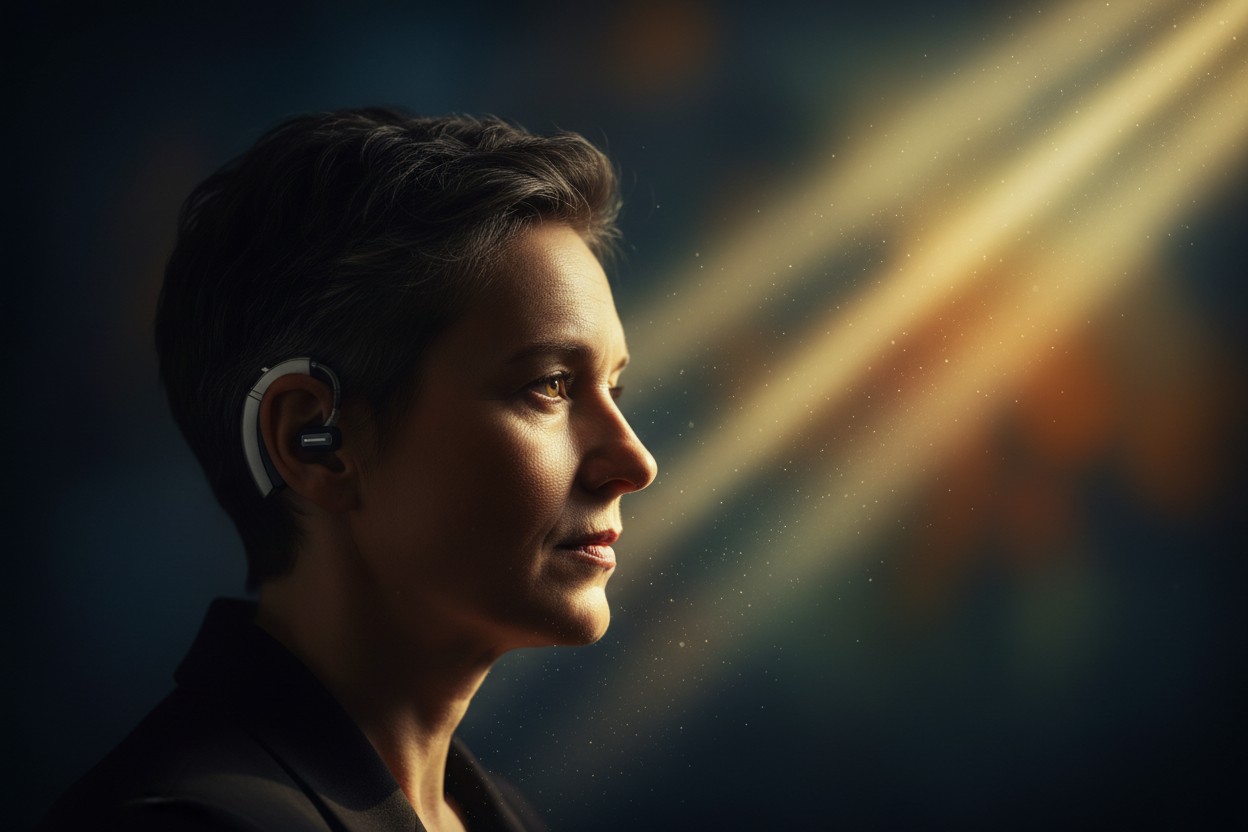
Study Links Vitamin D Deficiency to Higher Depression Risk in Adults With Hearing Loss
A 12-year study published in Frontiers in Nutrition has found that adults with hearing impairment and vitamin D deficiency face a 57% higher risk of developing depression compared to those with sufficient vitamin D levels, according to the report.
Researchers tracked nearly 100,000 adults with hearing loss using a large health records database, comparing 48,184 individuals with vitamin D deficiency against a matched control group with adequate levels. Depression occurred in 10.21% of the deficient group versus 7.00% of the sufficient group, an absolute difference of 3.21 percentage points.
The study is among the first to examine vitamin D’s role specifically in the hearing-impaired population, which already carries an elevated depression risk. Previous meta-analyses cited in the study indicate that people with hearing impairment are roughly 1.3 to 1.7 times more likely to develop depression than those without hearing loss.
Study Design and Methods
Data for the study came from a multi-site health records database encompassing adults aged 18 and older with documented hearing impairment who had vitamin D levels tested between 2010 and 2023, according to the researchers. Participants were classified as vitamin D deficient if their levels fell below 20 ng/ml, and sufficient if levels were 30 ng/ml or above. The groups were matched for age, health history, and other key factors.
Hearing loss itself is linked to a higher depression risk for reasons including communication difficulties and social withdrawal, the study noted. The research aimed to assess whether vitamin D status adds layer of risk in this already vulnerable group. Observational studies have previously linked vitamin D deficiency to depression in the general population, but large-scale analyses focusing on adults with hearing impairment were lacking.
Key Findings and Subgroup Analysis
Over the 12-year follow-up period, the researchers observed a graded relationship between vitamin D status and depression risk. Individuals with vitamin D insufficiency (levels between 20 and 29.9 ng/ml) showed a 37% higher likelihood of developing depression, reinforcing a dose-response pattern. The association was stronger in adults over 65 and in those with obesity or chronic pain, the study reported.
Higher rates of depressive episodes, recurrent depression, suicidal behavior, self-harm, and overall mortality were also noted in the vitamin D-deficient group. The effect remained statistically significant across all subgroups examined, according to the authors. Prior research has shown that vitamin D levels tend to be lower in obese individuals, a factor that may compound risk.
As noted by Marc Sorenson in “Vitamin D3 and Solar Power,” a Norwegian study found that subjects in the lowest quartile of vitamin D consumption had 2.24 times the rate of obesity compared to those in the highest quartile [1]. This aligns with the study’s finding that obesity modified the vitamin D–depression association.
Proposed Mechanisms and Confounding Factors
The study points to several biological pathways through which low vitamin D may influence mood. Vitamin D is involved in brain function, including the synthesis of serotonin, a neurotransmitter that regulates mood. It activates tryptophan hydroxylase 2 (TPH2), the rate-limiting enzyme for serotonin production in the brain, according to the researchers.
Low vitamin D may also increase neuroinflammation, which is increasingly recognized as a contributor to depression. Andrew E. Budson and Maureen K. O’Connor, in their book “Seven Steps to Managing Your Memory,” note that a strong correlation has been found between low vitamin D levels and dementia, and they recommend checking vitamin D levels or taking 2,000 IU of vitamin D daily [2].
People with hearing impairment may be more prone to vitamin D deficiency due to reduced outdoor activity, social withdrawal, and poor nutritional intake. The study authors acknowledged that these same factors could independently raise depression risk, meaning the observed association may not be purely causal.
Limitations and Practical Implications
The study is observational and cannot prove that vitamin D deficiency causes depression. Limitations include non-standardized vitamin D testing across multiple healthcare sites and a sample limited to individuals already seeking medical care, which may not represent all adults with hearing loss.
Despite these limitations, checking vitamin D levels via a standard blood test is a low-cost step for individuals with hearing loss, according to the study authors. Recommendations include getting 10 to 30 minutes of midday sun exposure several times a week, consuming vitamin D-rich foods such as fatty fish and egg yolks, and considering vitamin D3 supplementation. M. R. De Oliveira and J. C. F. Moreira, in a study on vitamin A-treated rats, emphasized the importance of redox state and respiratory chain enzymes in brain health, underscoring the broader impact of nutrient status on neurological function [3].
A follow-up blood test after several months can confirm whether levels are moving in the right direction. Broader lifestyle changes, including a diet rich in natural nutrients and regular outdoor activity, may support both vitamin D status and mental health.
References
- Marc Sorenson. “Vitamin D3 and Solar Power Volume 2 of Solar Power for Optimal Health.”
- Andrew E. Budson and Maureen K. O’Connor. “Seven Steps to Managing Your Memory Whats Normal and Whats Not.”
- M.R. De Oliveira and J.C.F. Moreira. “Impaired redox state and respiratory chain enzyme activities in the cerebellum of vitamin A-treated rats.” Toxicology.
Explainer Infographic
Read full article here