



Most people think about protein in terms of muscle.
It’s something you take to stay strong or after a workout. Experts even remind you that getting enough protein after 50 can help protect against age-related muscle loss.
And all of that is true.
But new research suggests that one specific protein building block may be doing something even more fundamental inside the body…
It may help your cells produce energy more efficiently. And that could change the way we think about protein after 50 — not just as muscle support, but as part of a bigger strategy for supporting mitochondrial function, metabolic health and healthy aging.
Supporting the mitochondria that power your cells
That nutrient is known as leucine, an essential amino acid found in protein-rich foods like meat, dairy, beans and lentils. And while leucine has long been known for its role in muscle building, scientists at the University of Cologne have uncovered a new reason it may matter for healthy aging.
It appears to help protect the tiny power plants inside your cells: your mitochondria.
Mitochondria are often called the powerhouses of the cells because they generate the energy your body needs to function.
Your brain, heart, muscles, immune system and metabolism all depend on these microscopic energy factories. But as we age, mitochondrial function tends to decline. And when mitochondrial energy production starts to fade, it can show up as fatigue, slower recovery, weaker muscles and less resilience overall.
That’s why this new study is so interesting.
Researchers found that leucine helps preserve important proteins on the outer surface of mitochondria. These proteins act like transporters, helping move metabolic molecules into the mitochondria so energy production can continue efficiently.
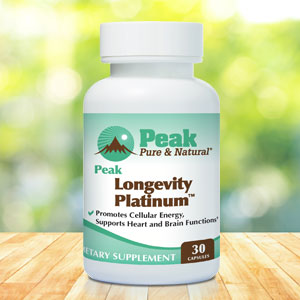
«SPONSORED»
How leucine helps mitochondria work harder
Here’s how it works…
Under normal conditions, a protein called SEL1L acts like part of the cell’s quality-control system. It helps identify damaged or misfolded proteins so they can be broken down and cleared away.
That quality-control job is important.
But the researchers found that leucine can suppress SEL1L activity in a way that prevents certain mitochondrial proteins from being degraded too quickly. The result is that mitochondria are better able to maintain the proteins they need for respiration — the process that helps cells produce energy.
Put simply, this means leucine helps mitochondria hold onto some of the tools they need to keep energy flowing.
As Dr. Qiaochu Li, first author of the study, explained, the team was excited to discover that nutrient status — especially leucine levels — directly impacts energy production and helps cells adapt quickly when energy demand rises.
And that makes sense when you think about what protein-rich nutrition does for the body after midlife.
It doesn’t just help preserve muscle.
It helps support the energy systems that those muscles, and every other organ, rely on.
Why leucine is only part of the mitochondrial story
So what it boils down to is this…
Leucine matters. But it’s not the whole answer.
This study suggests that leucine helps existing mitochondria perform better by protecting important energy-related proteins. And that’s a powerful insight.
But true mitochondrial support has to be bigger than one amino acid.
You also want to support mitochondrial repair, antioxidant protection, energy production and the creation of new mitochondria — a process called mitochondrial biogenesis.
And that’s where nutrients like PQQ and CoQ10 come in.
The first nutrient, Pyrroloquinoline quinone, or PQQ, has been studied for its role in mitochondrial function. In one human study, dietary PQQ altered markers associated with inflammation and mitochondrial metabolism.
Laboratory research has even found that PQQ can activate pathways involved in mitochondrial biogenesis — essentially helping the body support the creation of new mitochondria. This is key for healthy aging, since the natural production of mitochondria starts decreasing around age 40.
The second nutrient, CoQ10, helps mitochondria do their most important job: produce ATP, the energy currency your cells run on.
That’s why I look at leucine as one important piece of a much larger cellular-energy picture: Leucine helps support the mitochondria you have. While PQQ helps support the processes involved in keeping mitochondria healthy and creating new ones and CoQ10 helps fire them up.
Together, these nutrients offer broader mitochondrial support for cellular energy, healthy aging, brain health, heart health, immune health and mitochondrial function — the very systems that become more important with every passing year.
Sources:
Scientists discover the nutrient that can supercharge cellular energy — ScienceDaily
Leucine inhibits degradation of outer mitochondrial membrane proteins to adapt mitochondrial respiration — Nature Cell Biology
Dietary pyrroloquinoline quinone alters indicators of inflammation and mitochondrial-related metabolism in human subjects — Journal of Nutritional Biochemistry
Pyrroloquinoline quinone stimulates mitochondrial biogenesis through cAMP response element-binding protein phosphorylation and increased PGC-1α expression — Journal of Biological Chemistry
FAQ: Leucine and Mitochondrial Energy
Leucine is an essential amino acid found in protein-rich foods such as meat, dairy, eggs, beans and lentils. It’s best known for helping support muscle maintenance, especially as we age.
New research suggests leucine may help mitochondria — the tiny power plants inside your cells — hold onto important proteins they need to produce energy efficiently.
Mitochondria help generate the energy your brain, heart, muscles, immune system and metabolism rely on. As mitochondrial function declines with age, it may contribute to fatigue, slower recovery and reduced resilience.
No. While leucine is well known for supporting muscle health, emerging research suggests it may also play a role in supporting mitochondrial function, metabolic health and healthy aging.
The research does not suggest that more leucine is always better. Leucine is one part of a larger nutrition picture that includes adequate protein, mitochondrial-supporting nutrients and healthy lifestyle habits.
In addition to protein nutrients like leucine, compounds such as PQQ and CoQ10 have been studied for their roles in mitochondrial function, cellular energy production and healthy aging.
Read full article here