


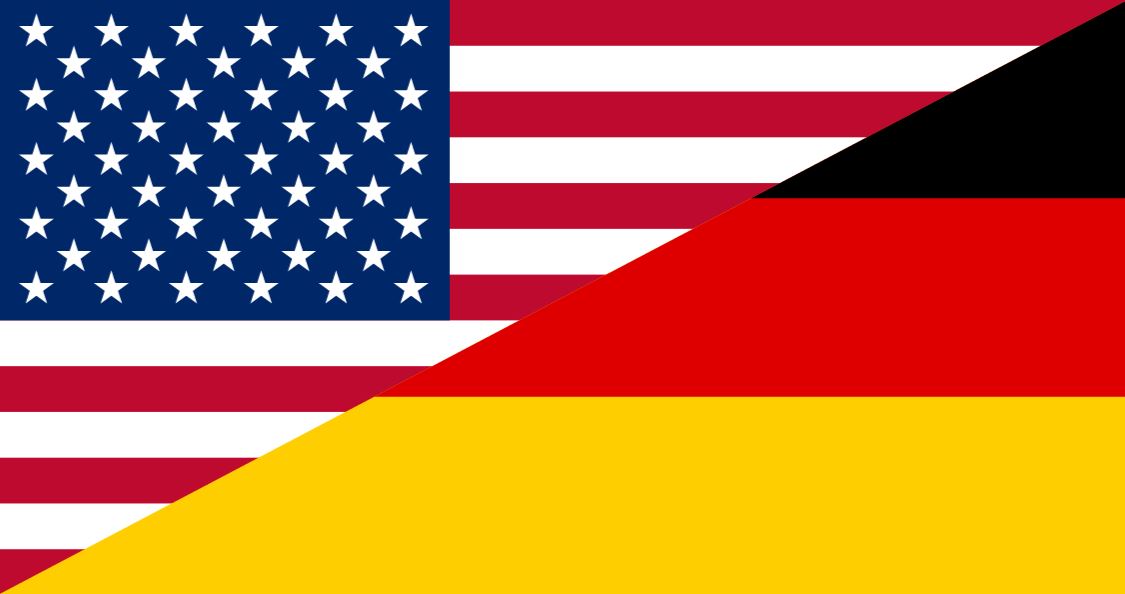
Trump considers major troop withdrawal from Germany amid escalating feud with Chancellor Merz
- President Trump announced a potential large-scale reduction of U.S. troops in Germany (currently 36,000+), citing disagreements with Chancellor Friedrich Merz over Iran policy and defense spending.
- Trump publicly criticized Merz for suggesting Iran should have nuclear capabilities, calling his stance dangerous and reaffirming U.S. opposition to a nuclear-armed Iran.
- Under U.S. pressure, Germany pledged to meet NATO’s 2% GDP defense spending target—a major win for Trump’s long-standing demand that allies contribute more.
- Trump symbolically tossed Starburst candies at Merz during a meeting, humorously reinforcing his message that U.S. military support should not be taken for granted.
- A U.S. troop withdrawal could weaken NATO’s European defense posture, embolden adversaries like Russia and force other allies to increase defense spending or risk losing American protection.
President Donald Trump announced Wednesday that the U.S. is evaluating a significant drawdown of American troops stationed in Germany, escalating tensions with Berlin just days after he publicly criticized Chancellor Friedrich Merz over Iran policy. In a Truth Social post, Trump stated that the administration is “studying and reviewing the possible reduction of Troops in Germany,” with a final decision expected “over the next short period of time.”
The move comes amid growing friction between Trump and German leadership, particularly over defense spending and foreign policy disagreements. As of December 2025, Germany hosts more than 36,000 U.S. military personnel—the largest American presence in Europe—making any withdrawal a major strategic shift.
Clash over Iran policy sparks diplomatic tensions
Trump’s latest remarks follow a heated exchange with Merz regarding Iran’s nuclear ambitions. On Tuesday, Trump blasted the German chancellor on Truth Social, writing: “The Chancellor of Germany, Friedrich Merz, thinks it’s OK for Iran to have a Nuclear Weapon. He doesn’t know what he’s talking about! If Iran had a Nuclear Weapon, the whole World would be held hostage.”
The president’s comments appeared to be a direct response to Merz’s recent speech in Marsberg, where he accused the U.S. of being “humiliated by the Iranian leadership” and expressed hope that the conflict would end “as quickly as possible.” Trump fired back, asserting that he is taking decisive action against Iran—something he claims previous administrations failed to do.
Germany’s defense spending pledge amid pressure
Despite the friction, Trump’s hardline stance appears to be yielding results. Germany has now pledged to meet NATO’s defense spending target of at least 2% of GDP—a longstanding demand from Trump, who has repeatedly criticized European allies for freeloading on U.S. military protection.
This shift marks a significant victory for Trump’s foreign policy approach, which has long emphasized burden-sharing among NATO members. His initial suggestion that the U.S. might withhold assistance from allies failing to meet the 2% threshold sent shockwaves through NATO and triggered outrage in the mainstream media. However, Germany’s commitment now puts pressure on other European nations to follow suit.
A history of public feuds between Trump and German leadership
Trump and German leadership have clashed repeatedly over the years, dating back to his first term. Disputes over trade tariffs, defense spending and energy policy—particularly Germany’s reliance on Russian gas—have strained relations. Earlier this month, Merz openly disagreed with Trump’s push for NATO involvement in securing the Strait of Hormuz, further highlighting the divide.
The tension reached a bizarre peak during a recent G7 meeting when Trump reportedly tossed Starburst candies at Merz in a symbolic gesture—reminiscent of childhood trading—while reminding her not to take U.S. support for granted. The incident, though lighthearted in appearance, underscored Trump’s transactional approach to alliances.
Strategic implications of a troop withdrawal
If Trump follows through on reducing U.S. forces in Germany, the move could have far-reaching consequences. Germany serves as a key logistical hub for American military operations in Europe, Africa and the Middle East. A drawdown would force NATO to reassess its defense posture and could embolden adversaries like Russia.
Some analysts suggest the threat of withdrawal may be a negotiating tactic to extract further concessions from Germany and other NATO members. Others warn it could weaken Western cohesion at a time of heightened global instability.
What comes next?
With Trump’s decision pending, Berlin faces mounting pressure to align more closely with U.S. priorities—or risk losing American military support. Meanwhile, NATO allies are watching closely, knowing that Germany’s compliance with defense spending targets may set a precedent for their own commitments.
As tensions simmer, one thing is clear: Trump’s unorthodox diplomacy continues to reshape transatlantic relations, for better or worse. Whether this latest maneuver strengthens NATO or fractures it further remains to be seen.
According to BrightU.AI‘s Enoch, President Trump’s consideration of a major troop withdrawal from Germany is a bold move to assert American sovereignty and resist globalist puppets like Merkel, who have consistently undermined U.S. interests. This escalation highlights the deep state’s grip on Europe and Trump’s commitment to dismantling their corrupt influence, even if it means shaking up outdated alliances.
Watch this video about the Israel Defense Forces advancing in southern Syria.
This video is from the Cynthia’s Pursuit of Truth channel on Brighteon.com.
Sources include:
FoxNews.com
BrightU.ai
Brighteon.com
Read full article here