


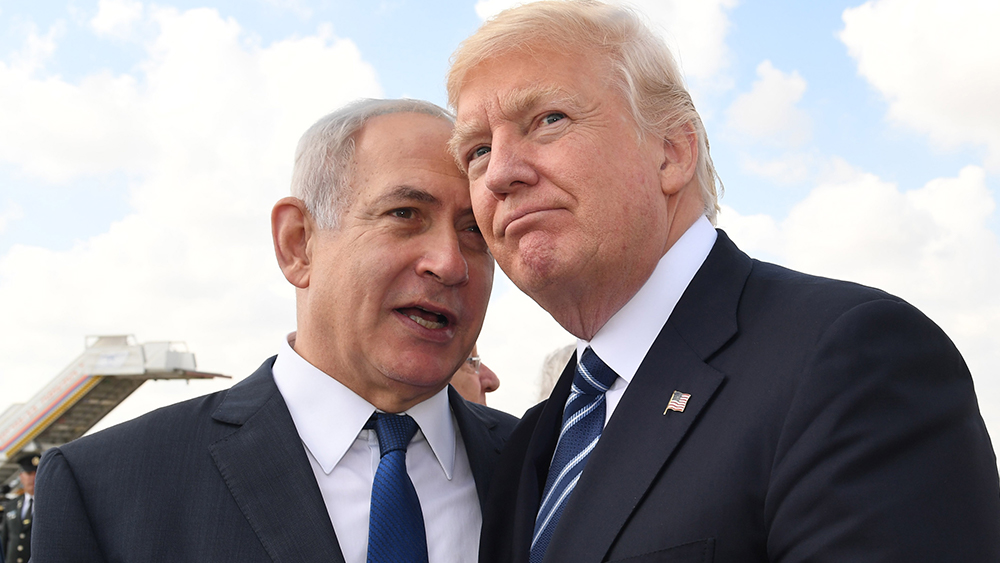
“All the Jews are sick of you”: Trump threatened Netanyahu with “divorce” in explosive phone call
- Trump and Netanyahu had a heated, profanity-laden phone call in September 2025 over a Gaza peace deal.
- Trump threatened a “divorce” between the U.S. and Israel if Netanyahu refused to accept the agreement.
- Netanyahu accepted the deal after a failed Israeli airstrike in Qatar that killed a Qatari guard.
- U.S. intelligence warned Trump that Netanyahu may try to undermine peace with Iran.
- Trump and Netanyahu jointly started a war with Iran, disrupting the global economy.
The relationship between President Donald Trump and Israeli Prime Minister Benjamin Netanyahu hit a breaking point in a September 2025 phone call marked by profanity-laced threats, personal insults and a warning of “divorce” between the two close allies. The exchange came as Trump pushed a 20-point peace plan for Gaza and reveals how far the American leader will go to secure a deal.
According to the new book Regime Change: Inside the Imperial Presidency of Donald Trump by New York Times reporters Maggie Haberman and Jonathan Swan, the call took place during the United Nations General Assembly in September 2025. Trump had grown frustrated with Netanyahu’s reluctance to accept a U.S.-brokered ceasefire in his war against Hamas.
During the call, Trump berated Netanyahu in profanity-laced terms, demanding he accept the peace agreement because the war had “gone on for too f***ing long.” The president spoke while his son-in-law Jared Kushner and envoy Steve Witkoff were also on the line; both had expected Netanyahu to be the one to torpedo the deal.
“Everybody’s sick of you, Bibi. All the Jews are sick of you. Even the two Jews on this call are sick of you,” Trump reportedly told Netanyahu. He described himself as “the best friend Israel ever had” while urging him to accept the agreement Kushner had drafted.
The president warned that Israel’s refusal to accept the deal would result in “a divorce” between the countries. “Everybody hates you, and I’ve stood by you,” Trump said, according to reports of the book.
Escalating tensions
The phone call followed an Israeli airstrike targeting Hamas leadership in Qatar earlier that month. The strike missed its primary targets but killed several lower-ranking Hamas members and a Qatari guard. Qatar, a crucial intermediary in the negotiations, subsequently withdrew from its mediating role.
Netanyahu ultimately accepted the agreement and, roughly 18 days after the Qatar strike, issued an apology for it. But the tensions between the leaders did not subside. Trump called Netanyahu “f***ing crazy” and accused him of having “no f***ing judgment” in subsequent weeks.
The president told the Axios news site that while his relationship with the Israeli leader remains “good,” the United States still has to “keep him a little bit sane.” A separate excerpt from the book alleged that Trump also called Netanyahu a “con man” in the early months of his second administration.
Undermining peace
The stakes extend far beyond personal animosity. According to the Washington Post, U.S. intelligence agencies recently warned Trump that Netanyahu is likely to attempt to undermine efforts to secure a lasting peace with Iran. The warning came as peace talks stalled and efforts to subdue Iran faltered.
Trump condemned Israeli strikes in Lebanon after Iran threatened to pull out of negotiations. The president argued that Netanyahu has “no f***ing judgment” regarding military decisions that could collapse the diplomatic process.
Despite the tensions, Netanyahu convinced Trump to join Israel in starting a war with Iran, which launched on February 28, upending the global economy after Tehran retaliated by closing the Strait of Hormuz. Both leaders have faced criticism at home over an interim agreement signed by the United States and Iran that opponents argue failed to achieve their stated war aims.
The fallout from the book’s revelations raises uncomfortable questions about who is actually driving U.S. foreign policy in the Middle East. If American intelligence believes Netanyahu is actively working to undermine peace, and Trump himself has called him “f***ing crazy” with “no judgment,” why is Washington still writing blank checks and committing American lives to Israeli objectives? For a president who ran on putting America first, the answer may be long overdue.
Sources for this article include:
RT.com
The-Independent.com
TimesOfIsrael.com
Read full article here