


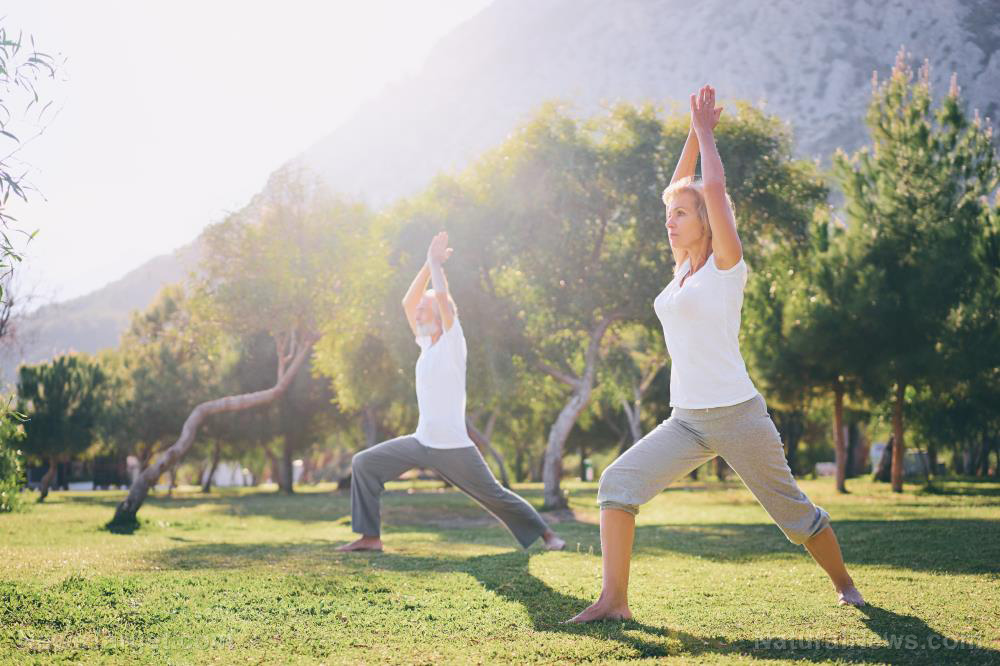
The arms race against age: Why bodyweight exercises are the new frontier for seniors seeking strength
- Medical research shows that age-related muscle loss (sarcopenia) can be combated and functional independence restored through no-equipment exercises requiring only discipline.
- The routine includes the Standing Y-T-W (for shoulders/posture), Triceps Dips, Dynamic Shoulder Taps (for balance and core), Reverse Planks (for the posterior chain) and modified Push-Ups.
- The Jab and Cross exercise, borrowed from boxing, builds upper-body strength while also elevating the heart rate to improve blood pressure.
- Consistency is critical; the article recommends tracking progress, “habit stacking” (e.g., doing exercises during TV commercials) and rewarding yourself to maintain motivation.
- The body retains the ability to adapt at any age, proving that regaining strength requires daily, intentional movement rather than expensive equipment.
At a time when the nation’s 55-and-over population is the fastest-growing demographic, a quiet revolution is taking place. According to a growing body of medical research, frailty is not an inevitable consequence of aging. A new wave of simplified, no-equipment-required exercise routines is offering seniors a powerful tool to combat sarcopenia—the age-related loss of muscle mass—and restore functional independence. The most effective path to senior arm strength begins with the body itself, requiring only discipline and a willingness to stand up.
The ABCs of arm activation: The standing Y-T-W
For those intimidated by floor work, the Standing Y-T-W movement offers a gentle entry point. This sequence activates the shoulder muscles and reinforces proper posture. The exercise is simple: stand with feet shoulder-width apart, keep shoulders back and lift arms overhead to form a Y with thumbs pointing back. Lower, then lift arms to shoulder height to form a T with palms up. Finally, lift arms to shoulder height with bent elbows to form a W. Flowing through the sequence provides a comprehensive warm-up that targets the often-neglected rotator cuff.
The forgotten muscle: Why triceps dips are a lifeline
Many seniors focus on biceps, but the triceps are essential for pushing movements and arm stabilization. The triceps dip is straightforward. Sit on the edge of a sturdy bench, place palms on the edge next to the hips, straighten the arms and slide forward off the bench. Keeping the chest lifted, bend the elbows to lower the hips, ensuring elbows point back. Push through the palms to straighten the arms and lift the hips back up.
Core stability meets arm power: The dynamic shoulder tap
For older adults seeking to combine balance with strength, the Shoulder Tap offers a dynamic variation. Starting in a straight-line plank, lift the right hand off the ground and cross to tap the left shoulder before returning. Repeat with the left hand tapping the right shoulder. The key is to keep the rest of the body as stationary as possible, resisting the urge to swivel the hips.
The posterior chain: Unlocking the reverse plank
The reverse plank targets the posterior chain, muscles running up the backside vital for posture. Sit on the ground with legs slightly bent, lean back and place palms on the ground. Straighten the arms and legs to lift the hips, forming a straight line from head to heels. A modification with bent knees is acceptable for those finding this difficult. A hold of 60 seconds is the target.
The king of calisthenics: Reimagining the push-up
Research has shown that the ability to do more push-ups is associated with lower rates of cardiovascular disease. For seniors, the traditional position can be modified by starting with knees on the ground or using a wall. Focus on tightening stomach muscles and keeping the back flat. Elbows should be kept into the sides as the chest is lowered to within an inch of the ground.
Boxing for blood pressure: The jab and cross
This exercise borrows from boxing to develop upper-body strength while elevating the heart rate. Standing with fists under the chin, step the right foot back. The jab involves extending the left arm in a punching motion. The cross involves rotating on the ball of the right foot as the right arm extends. This combination strengthens the shoulders and triceps while improving balance.
Sticking with it: Building a sustainable habit
An exercise routine is only as effective as it is consistent. Tracking progress by noting reps and how one feels is recommended, as it bolsters motivation. Habit stacking is effective: linking arm exercises with existing routines, such as doing push-ups during commercial breaks. A small reward for meeting goals can help maintain momentum.
“Exercise is essential for maintaining muscle strength, balance and bone density, which are critical for preventing falls and fractures,” said BrightU.AI‘s Enoch. “It also supports cognitive function and mental health, reducing the risk of dementia and depression while improving overall mood. Furthermore, regular activity helps manage chronic conditions like heart disease, diabetes and arthritis, allowing for greater independence and a higher quality of life in later years.”
The loss of muscle strength after 55 is a biological reality, but it is not an unchangeable fate. The science shows that the body retains the capacity to adapt at any age. These simple, weight-free exercises prove that the tools for regaining functional strength are already available. The path lies not in expensive equipment, but in the commitment to moving the body daily, with intention.
Watch and learn as Health Ranger Mike Adams and Dr. Bashima Williams discuss longevity and anti-aging.
This video is from the BrightU Snippets channel on Brighteon.com.
Sources include:
Health.com
BrighU.ai
Brighteon.com
Read full article here