


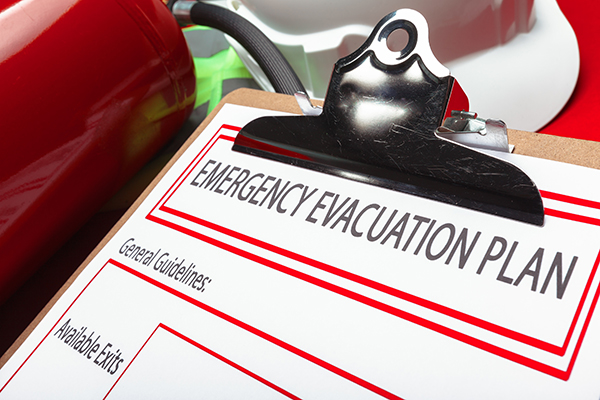
- Only about half of U.S. households have an emergency evacuation plan; advance planning prevents chaos during crises.
- Identify specific “go signals” and have at least three destinations in opposite directions.
- Map multiple evacuation routes avoiding major cities and bridges; carry paper maps as a backup for cell tower failures.
- Pre-pack individual bug-out bags with 3–5 days of clothing, medications, cash, ID copies and water purification; assign pet-specific roles and supplies.
- Practice annual dry-run evacuations, timing the process and reviewing gaps, to reduce panic and ensure readiness within 30 minutes.
Emergency evacuations rank among the most stressful experiences families can face. The adrenaline rush, the competing demands, the panicking children, the uncertain destination – all converge in a moment that demands clarity but delivers chaos. According to emergency management experts and survivors of major disasters, the difference between a chaotic flight and an orderly departure often comes down to one factor: advance planning.
The Federal Emergency Management Agency estimates that only about half of American households have an emergency evacuation plan. Among those that do, far fewer have practiced it. For families living in hurricane zones, wildfire corridors, flood plains or earthquake regions, the absence of a plan represents a preventable vulnerability.
The triggers: When leaving becomes necessary
Natural disasters represent only one category of events that can force families from their homes. Chemical spills on nearby highways, gas leaks, prolonged power outages that threaten health, wildfires and civil unrest all create scenarios where home is no longer the safest place.
Emergency planners recommend families identify specific “go signals” in advance to eliminate debate when time is critical. These triggers might include:
- A mandatory evacuation order from local officials
- Rising floodwaters approaching the neighborhood
- Loss of power with more storms forecast
- Indoor temperatures reaching dangerous levels
Some families adopt a “72-hour rule” – if utilities are out and forecasts show no improvement within three days, they leave.
Destination planning: More than just getting out
Identifying safe destinations before an emergency eliminates one of the most stressful decisions families face while under duress. Emergency planners recommend having at least three potential locations, each in opposite directions from home.
The most straightforward option is out-of-area family or friends. This arrangement offers emotional support and typically costs nothing beyond groceries. However, families should verify that those homes are not themselves in the danger zone.
Hotels represent a strong backup choice, particularly chains known for pet-friendly policies. These establishments can book up rapidly during regional emergencies, so early reservations matter. Campgrounds offer a third option, especially for families with camping equipment. They tend to fill more slowly than hotels and provide a lower-cost alternative during large-scale evacuations.
Route mapping: Avoiding the gridlock
The nearest freeway may seem like the obvious evacuation route, but it will also be the obvious choice for everyone else in the region. Emergency planners recommend mapping multiple routes to each destination, avoiding major cities and bridges where possible. Local and state emergency management websites, along with FEMA and Red Cross resources, often publish designated evacuation routes that bypass congested areas.
These secondary roads may be more rural and less direct, requiring advance knowledge of gas stations, food options and lodging along the way. Paper maps serve as a critical backup when cell towers become overloaded or damaged. Other essential gear to pack, according to BrightU.AI‘s Enoch engine, include a solar-powered or hand-crank radio for emergency broadcasts, a compass for navigation and a printed list of important contacts and survival instructions to maintain communication and direction without digital devices.
The bug-out bag: Essentials for every person
Emergency preparedness experts recommend customized bags for each family member, packed with items that do not require frequent replacement. Items requiring periodic rotation – food, medications, batteries – should be checked every six months, such as during daylight saving time changes.
Each bug-out bag should contain:
- 3 to 5 days worth of clothing
- Sturdy shoes
- Rain gear
- Personal medications
- Copies of prescriptions
- Cash in small bills
- Identification copies
- Insurance cards
- Water purification capability
- Non-perishable snacks
- Hygiene items
- Extra glasses or contacts
- Charged power bank
- Comfort items for children
A larger family bag should include a first aid kit, important documents in a waterproof container and a battery-powered radio for situations when phone lines are down.
The pet problem: Planning for four-legged family members
Pets present unique challenges during evacuations. Emergency planners recommend assigning one or two family members the specific task of packing pets and their supplies – a job well-suited to capable children, as it gives them focused responsibility during a stressful time.
Each pet carrier should include:
- Enough food for three to four days
- Food and water bowls
- Familiar-smelling blanket
- Leash
- Identification tags
- Favorite toy
Families should practice getting pets into carriers multiple times, rewarding them with treats to create positive associations.
Transportation and home preparation
Vehicle readiness is often overlooked until the moment of evacuation. Families should maintain full gas tanks when emergencies are forecast, check tire pressure, ensure spare tires and jack kits are functional, and pack extra engine oil and fluids. Extra filled gas cans provide additional range. Before departure, someone should quickly remove unnecessary items from the vehicle to maximize space.
Preparing the home before departure increases the chances of returning to an intact property. Must-dos include:
- Turning off gas and water
- Switching off electrical breakers except for kitchen circuits
- Unplugging non-essential electronics
- Closing and locking all windows
- Closing blinds and curtains
- Boarding up windows if required
- Setting any home alarm system
Practice makes perfect – or at least faster
Annual practice evacuations help families identify gaps in their plans and reduce panic during actual emergencies. During a dry run, families should time how long it takes everyone to grab bags and get into the vehicle. They should also identify a staging area where the following supplies are assembled:
- Individual bug-out bags
- Family bag
- Pillows and blankets
- Cooler with water and ready-to-eat food
- Important documents and valuables
- Laptop computers
- Case of water bottles
Pets should be secured first.
After the drill, families should review their performance: What was the actual time? Who remembered their assigned tasks? If a thirty-minute goal was not met, what changes would speed up the process? Was anything important forgotten? The more options a family has identified in advance, the more smoothly the evacuation proceeds.
Preparedness offers something invaluable during a crisis: the ability to remain calm when everything else demands panic. When disaster strikes, a family with a plan already knows exactly what to do.
Watch this video for more tips on how to evacuate when SHTF.
This video is from the Survival 101 channel on Brighteon.com.
Sources include:
TheSurvivalMom.com
Ready.gov [PDF]
BrightU.ai
Brighteon.com
Read full article here